4D-Nucleofector™ Manual – Bioscience Solutions 33
Issue Possible Error Solution
Low survival rate Cells were kept in Nucleofector™ Solution too long Transfer cells immediately into pre-warmed medium as recommended in the optimized
protocol.
Cells were damaged by harvesting procedure or through
handling
Avoid harsh conditions during cell harvesting, especially centrifugation at higher speed or
overexposure to trypsin.
Pipette cells smoothly as they are quite stressed already. Use a plastic pipette as
recommended in the optimized protocols.
Cells culture conditions were suboptimal
Cells should be viable and in culture for several passages. Avoid excessive cell densities or cell
conuencies since this may decrease cell viability post Nucleofection. For further details please
refer to the dedicated optimized protocol.
Multiple use of cuvettes We strongly recommend using the Nucleofection vessels only once, because the high voltage
pulses that are applied drastically aect their physical integrity.
Poor DNA quality DNA used for Nucleofection should be of high purity. We strongly recommend endotoxin-free
preparation of the DNA. Do not use procedures involving phenol /chloroform treatment.
Low eciency DNA amount is too low
We recommend a certain DNA amount per sample (depending on cell type and Nucleofection
vessel; for details please refer to respective optimized protocol). If both transfer eciency and
cell mortality are low, the DNA amount could be increased. Increasing DNA amount may lead to
higher transfection eciency, but at the same time result in higher cell mortality.
Cell number in Nucleofection sample too high or too low Please use the cell numbers recommended in the dedicated optimized protocol.
Poor DNA quality DNA used for Nucleofection should be of high purity. We strongly recommend endotoxin-free
preparation of the DNA. Do not use procedures involving phenol /chloroform treatment.
2.14 96-well Shuttle™ Mode
To operate the 96-well Shuttle™ Device a 4D-Nucleofector™ System
comprising Core and X Unit is required (for details about operating the
“Nucleofector™ 96-well Shuttle™ System” please refer to the respective
96-well Shuttle™ Manual). Three connections have to be established:
–
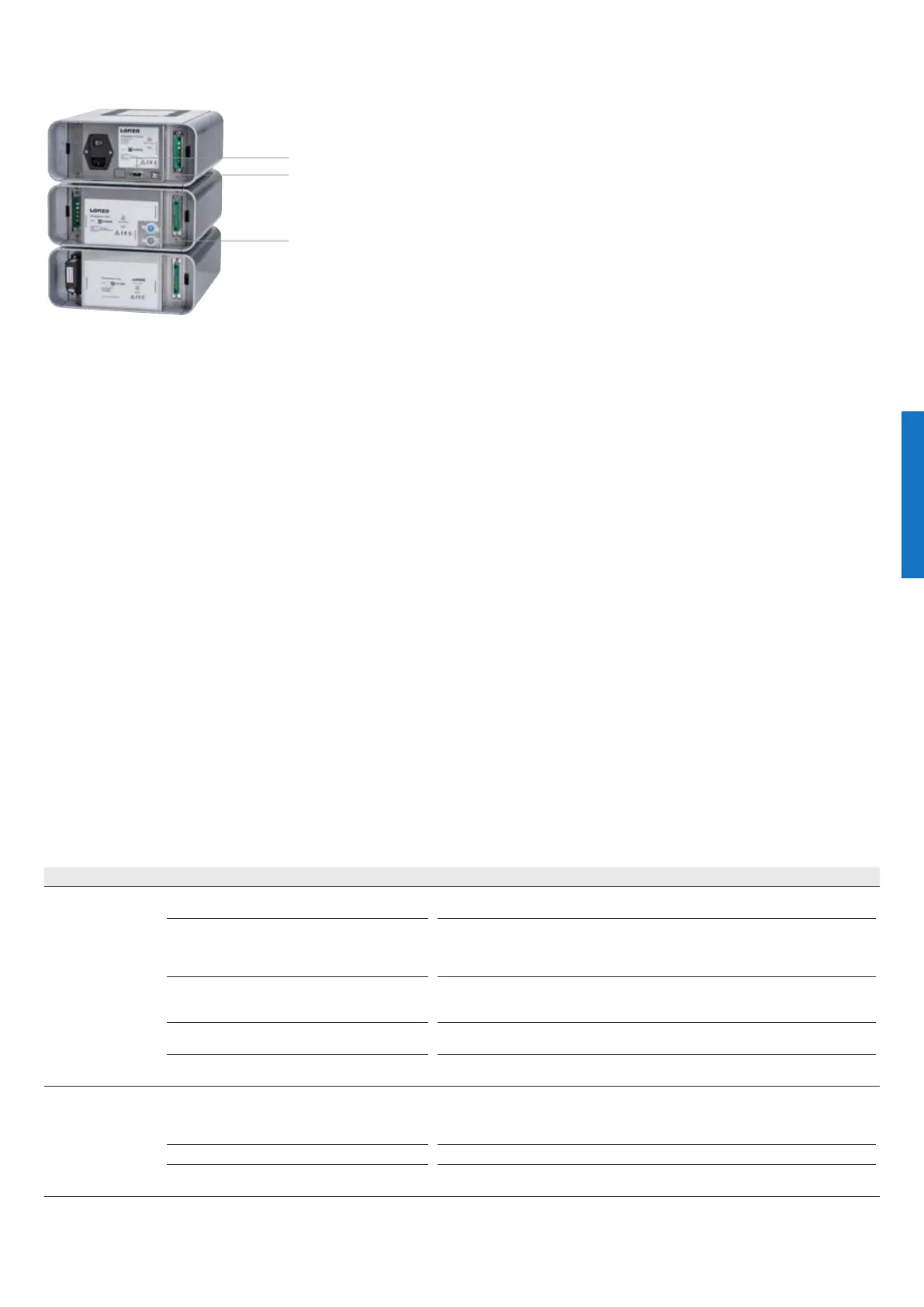
High voltage cable between 96-well Shuttle™ Device and X Unit (gure
2.30, 1)
– USB data cable between laptop and Core Unit (gure 2.30, 2)
–
Serial data cable between 96-well Shuttle™ Device and Core Unit (gure
2.30, 3)
As soon as the Nucleofector™ 96-well Shuttle™ Software controlling the
system is started, the 4D-Nucleofector™ Device switches into “96-well
mode” (shown on the display) and the graphical user interface of the
4D-Nucleofector™ Device is locked. It is then controlled by the PC-based
Nucleofector™ 96-well Shuttle™ Software. To exit the “96-well mode” press
“Abort”.
3 Troubleshooting
3.1 Suboptimal Transfection Results
The following troubleshooting guidelines may be helpful if experiments using the 4D-Nucleofector™ System do not provide the expected results.
The comments are intended to help optimize experimental conditions. If you require further help, please contact our Scientic Support Team.
Figure 2.30: Shuttle connectivity on the 4D-Nucleofector™ System
3
2
1
3


 To Next Page