2-7
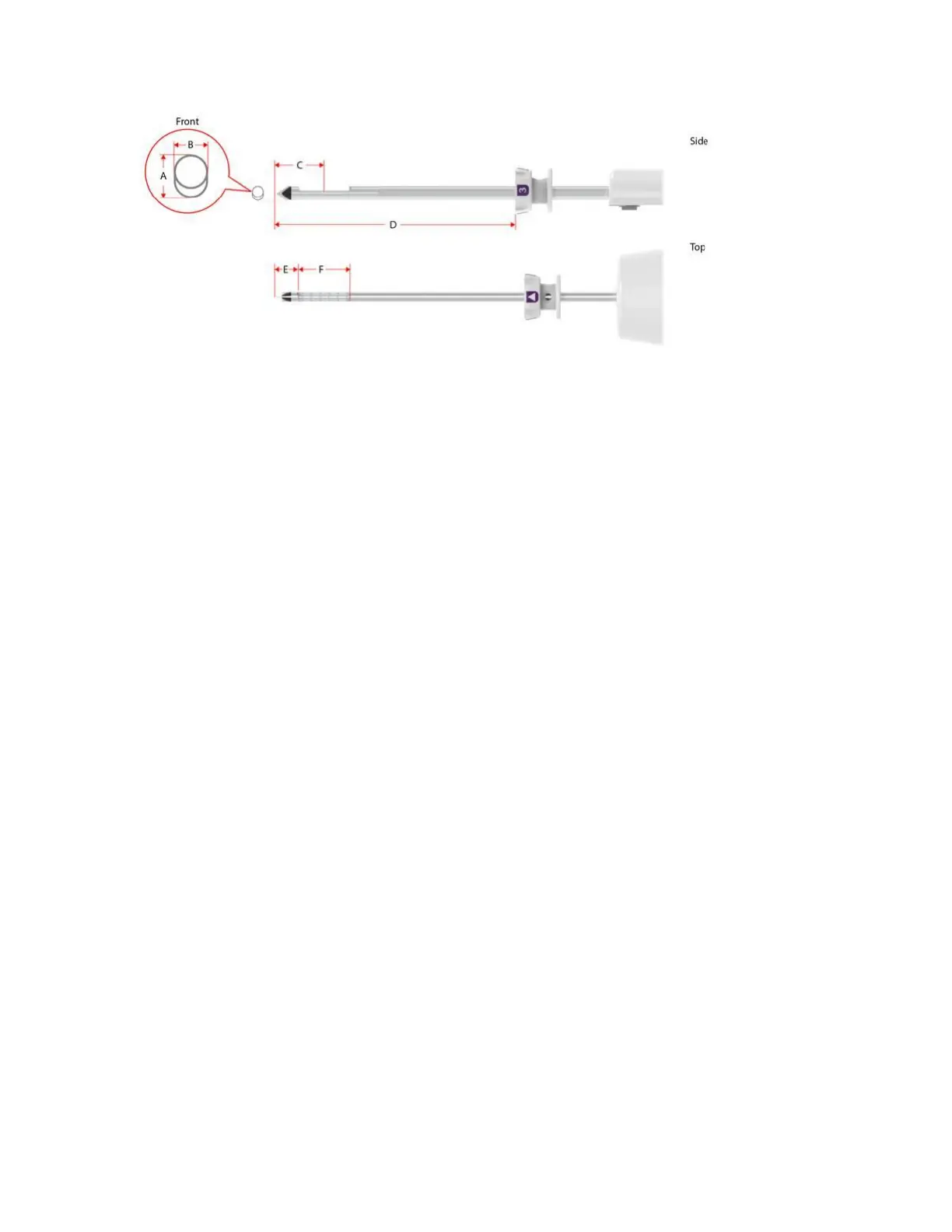
Figure 7. Mammotome revolve ST Probe Illustrations
U/S Probe and Vacuum Tube Set
The U/S Probe (along with its integrated components: Specimen Management System and Vacuum
Tube Set) is a sterile, single-patient use device that may be used with imaging guidance to excise a
tissue sample for diagnosis. The probe is designed to be loaded onto the U/S holster. The body of the
probe contains a locking tab to secure the probe to the U/S holster. The probe consists of an outer
trocar shaft and an inner cutter in a distal sample aperture. The sample aperture can be manually
rotated by using the wrist to rotate the probe/holster assembly to the desired orientation.
The probe comes packaged with an attached vacuum tube set. The vacuum tube set connects the
probe to a vacuum source through the surgical side of a vacuum canister. This allows fluid collected
from the probe to be drained into the canister. The tube set has three points of attachment: 1) to the
control module vacuum connection slot, 2) to the vacuum canister port, and 3) to a saline bag.
For further convenience, the probe includes a Specimen Management System consisting of 12
proximal specimen collection chambers. Each collection chamber is designed to capture and hold
excised tissue. The specimen collection chambers are designed to be removed from the fluid
management manifold in two separate trays (of six chambers each). If desired, the tissue can remain
in the chambers to be directly imaged in the post-biopsy specimen radiograph.
A biopsy site identifier may be used in conjunction with the Mammotome revolve U/S probes to mark
the location of the biopsy procedure. In the event of removal of evidence of abnormality, it is strongly
recommended that a marking device be placed to mark the biopsy site in case follow-up is required.


 To Next Page