Using Automatic Link Establishment (ALE)
51
Replacing the Current Channel While in the Link State
If during an individual call you find that the channel in use is not good enough, you can replace it
with a better channel.
Notes
• Channel replacement is possible only during an individual call in the ALE
mode.
• Only the initiator of a call can replace the channel in use.
➤ To replace the channel:
1. Press MORE to scroll to the second link state menu.
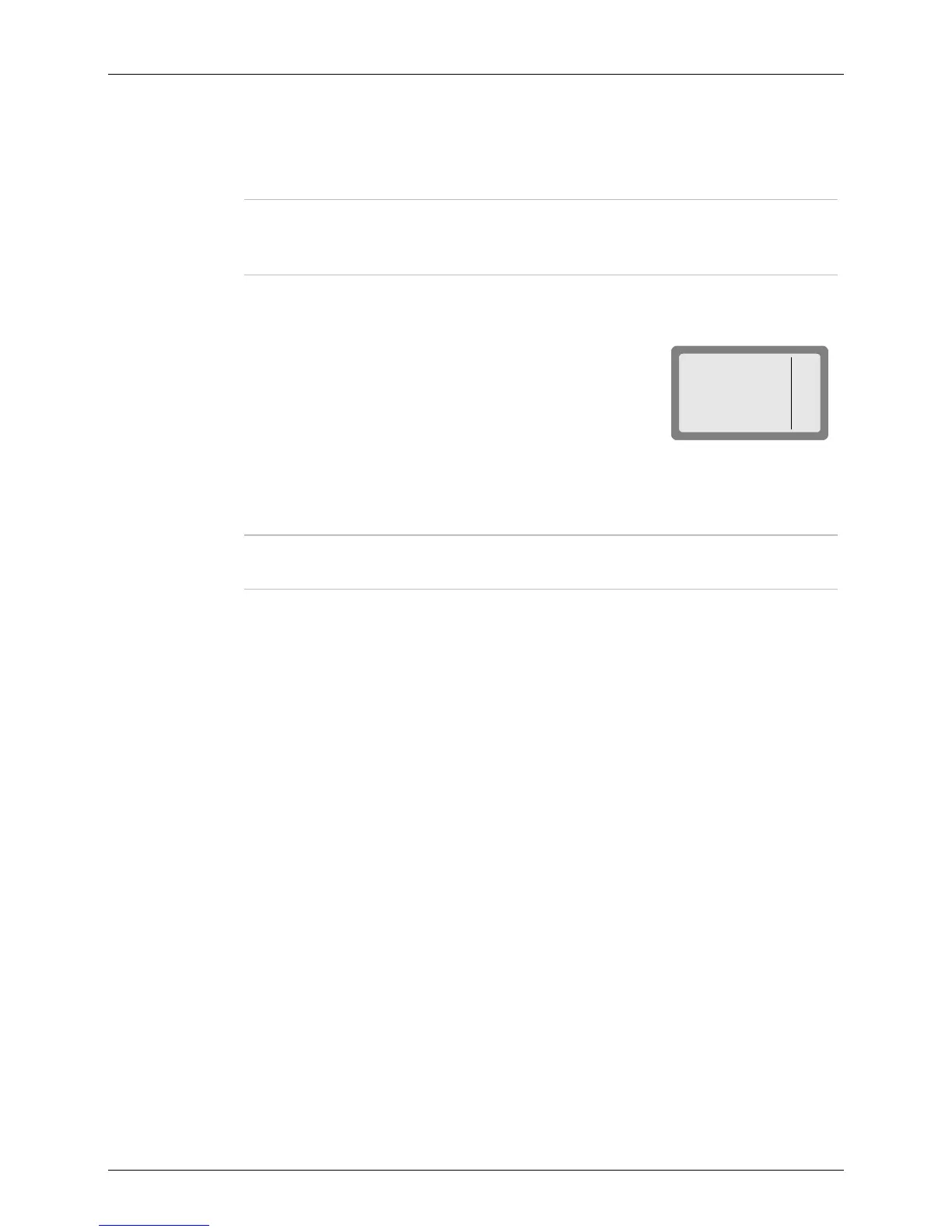
MICOM-3
RPL
BAND
SQ
DSP
LINK
REPLACE
2. Press RPL (F1) to replace the channel in use.
3. The radio disconnects the link, replaces the channel being used, and initiates the call
once again.
Note
Even if a message was transmitted when the original link was initiated, the new
link will be initiated without the message.
Using the Caller Stack
The caller stack stores information about unanswered calls. The stack entry contains the self-address
of the calling station, and any message sent by the calling station when it sent the call set up request.
The stack can contain up to 10 calls.
The radio records an address in the stack only once, even if the same caller made several unanswered
calls. However, if the same caller sent calls with different messages, all such calls will be saved in the
stack.
If you see the word STAK next to the F3 key, the stack includes at least one call you never viewed
before.
The stack is arranged in FIFO order, that is, the first address that enters the stack is also the first that
you see on the display.
➤ To view the calls in the stack:
1. Press STAK (F3).
The radio displays information on the total number of calls in the stack, and information
on the first call. If the number of characters exceeds the available space, press <-> (F4) to
activate the view mode.
2. Use the UP/DOWN keys to view any additional calls in the stack.


 To Next Page