7
Description
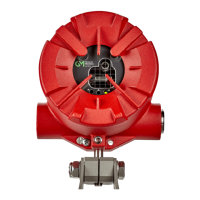
FL500 UV/IR Flame Detector
US
2 Description
2.1 Overview
The FL500 ultraviolet/infrared (UV/IR) flame detector, referred to hereafter as the "FL500" or "device,"
uses a UV radiation-sensitive phototube and an IR detector to sense specific wavelengths in the UV
and IR spectral regions. The UV and IR detectors send signals about changes in the intensity of UV
and IR radiation to a microcomputer to activate Alarm Low, Alarm High, and Fault output. A flicker
discrimination circuit in the IR circuitry prevents false alarms caused by lightning, arc-welding, hot
objects, and other sources of radiation. The inherent flickering of a flame supplies the necessary
modulation to activate the IR circuit.
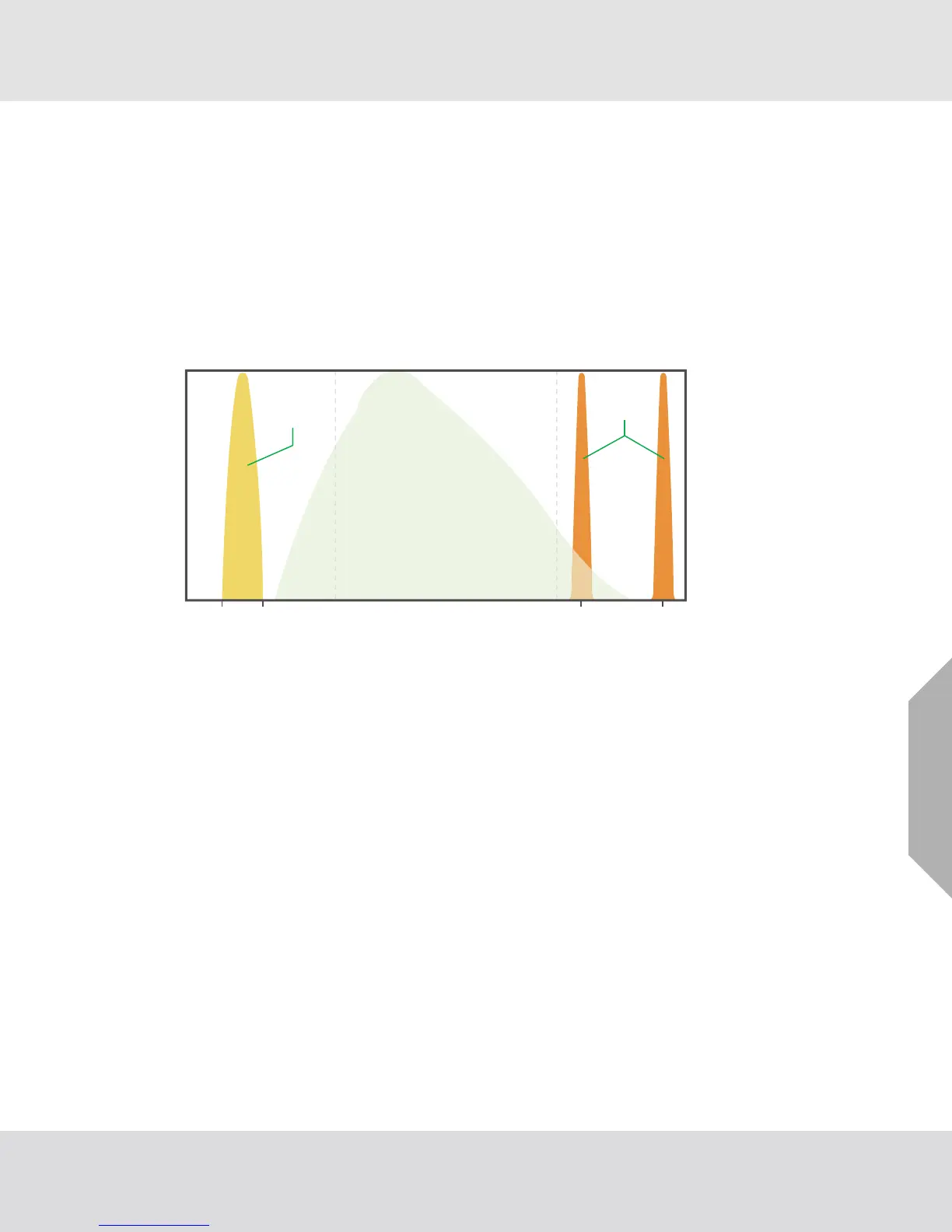
Fig. 1 Spectral Response of UV and IR Radiation Detectors
If the device senses only UV radiation (such as arc welding) or only IR radiation (such as a large
modulating hot object), an alarm does not occur. If the device senses both UV and IR radiation in the
correct combination and intensity, as set by an algorithm in the microcomputer, the device identifies a
fire and sends the following output:
• 4 - 20 mA signal
• Immediate Alarm Low output
• Time-delayed Alarm High output
• RS-485 Modbus RTU output
• HART communication
The FL500 has the following features:
• Compact unitized design
• Wide field of view
• Continuous optical path monitoring (COPM)
• 4 - 20 mA source or sink, alarm relays, and Modbus RTU RS-485 standard
• HART 7 communication
• False alarm prevention
Visible Region
Wavelength
Relative Energy
Ultraviolet Region Infrared Region
Sun’s Radiation
Reaching Earth
185 nm 260 nm
UV Detector’s
Spectral
Sensitivity
IR Detector’s
Spectral
Sensitivity
2.95 μm
(Hydrogen Detector)
4.35 μm



 To Next Page