23
3. Media Renderer
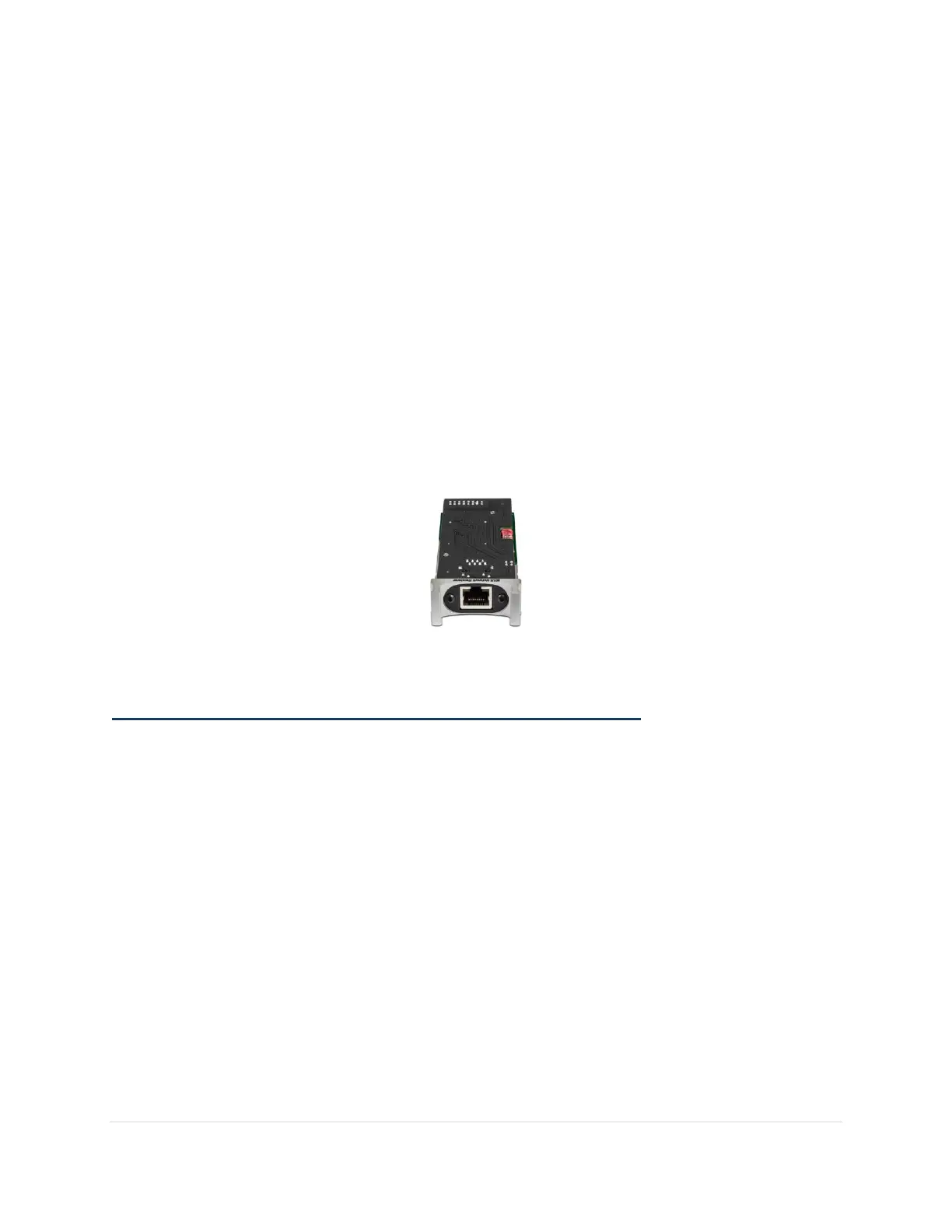
Now here is the heart of the network audio system. The Renderer receives the audio file from the
Media Server and creates from it a digital music stream to be sent to and converted into analog
audio by a DAC. It communicates with the Controller and acts on transport commands such as
play, pause, skip forward or backward to another song, fast forwarding and rewinding within the
song. It also provides controller with information on formats it can accept, such as:
1. Sample rates that can be played (e.g. 44.1, 192, up to 384 KHz)
2. File formats that can be decoded (e.g. FLAC, MP3, etc.)
3. DSD compatibility up to DSD256
The Renderer needs a low jitter clock and clean power, which is provided by the MSB DAC’s
master Femto second clock and its multi-rail isolated linear power supply.
3.3 DLNA (Digital Living Network Alliance)
DLNA (Digital Living Network Alliance) is a trade organization established by Sony, and is
responsible for defining interoperability guidelines and certification to enable the ease of sharing
digital media between multimedia devices on a local network.
DLNA uses Universal Plug and Play (UPnP) for media management, discovery and control, but
then applies a layer of restrictions over the types of media file format, encodings, resolutions
and audio file transcoding that a device must support to achieve interoperability. Generally
DLNA certified devices will work with UPnP devices but always vice versa.


 To Next Page