© 2020 Pierce Manufacturing Inc. All Rights Reserved. Engine Exhaust After Treatment Systems / 5-21
OPERATION
Engine Exhaust After Treatment Systems
5-11. Introduction
NOTE: Applies to all U.S. Domestic vehicles manufactured after 2007 and some export vehicles.
Your Pierce apparatus is equipped with a specialized exhaust equipment designed to meet tiered EPA regulations,
based on both calendar year and vehicle usage (i.e. on-road or off-road), to reduce soot (partially burned fuel
particles), ash (partially burned oil particles), and nitrogen oxide (NOx) emissions.
5-11.1 Emissions Equipment and Functions
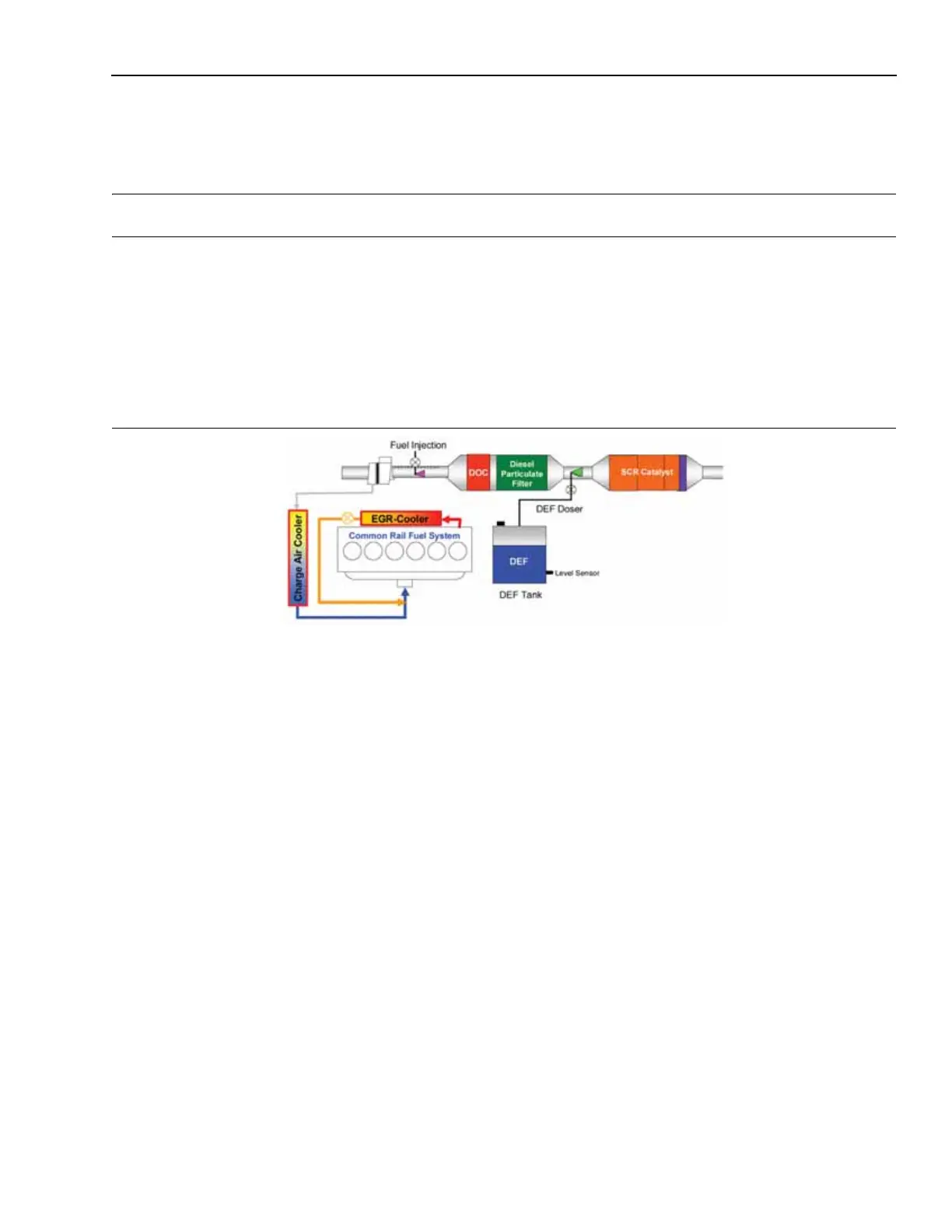
Figure 5-1: Typical After Treatment System Components (2010 and Later EPA Engines)
A0062
The major after-treatment devices used with the engine in your Pierce® fire apparatus may include:
• After Treatment Device (ATD), a special exhaust canister which has replaced the typical muffler. This canister
contains a Diesel Oxidation Catalyst (DOC) and a Diesel Particulate Filter (DPF). The DPF will trap particulate
matter or soot and ash while the engine is running. Soot accumulation in the DPF requires periodic self-cleaning
through a process called regeneration.
— Regeneration may occur naturally when the exhaust is hot enough to burn the soot off.
— Regeneration may require intervention, either by the engine ECU or operator intervention, by injecting a
small amount of fuel into the DOC, which raises exhaust temperatures enough to burn off accumulated soot.
—See “Cummins and Ford Regeneration” on page 5-22 or “Detroit Diesel ATD Regeneration” on page 5-27
depending on your engine.
• Selective Catalyst Reduction (SCR) device. The SCR is a catalytic converter that uses vaporized diesel exhaust
fluid (DEF), fed by a tank., to reduce nitrogen oxide (NOx) emissions created during the combustion process.
• Diesel Exhaust Fluid (DEF). Also known as DEF, urea, or Ad-Blue, a solution of 32.5% urea and deionized water,
which breaks down into ammonia NH
3
) during a chemical reaction in a decomposition reactor through a process
known as hydrolysis. The NOx and ammonia (NH
3
) pass into the SCR element where a catalytic reaction takes
place, converting the NOx into harmless nitrogen gas (N
2
) and water vapor (H
2
O).
• Related indicator lamps on the driver display to alert the operator of the after-treatment equipment status. Light
functionality is explained in “After Treatment Device Indicator Lights - Cummins and Ford Engines” on
page 5-22. and “After Treatment Device Indicator Lights - Detroit Diesel” on page 5-27.
• 2013 EPA and later emissions requirements include engines receiving an upgraded engine ECU with fully-
integrated On-Board Diagnostics (OBD). The drive engine indicator panel also includes an additional
Malfunction Indicator Lamp (MIL).



 To Next Page