Fatigue
Wire break is transverse-
either straight across or Z
shape. Broken ends will
appear grainy.
Check for rope bent around
too small a radius; vibration
or whipping; wobbly
sheaves; rollers too small;
reverse bends; bent shafts;
tight grooves; corrosion;
small drums & sheaves;
incorrect rope construction;
improper installation; poor
end attachments. All running
rope if left in service long
enough will eventually fail by
fatigue.
Tension
Wire break reveals
predominantly cup and cone
fracture with some 45° shear
breaks.
Check for overloads; sticky,
grabby clutches; jerky
conditions; loose bearing on
drum; fast starts, fast stops,
broken sheave flange; wrong
rope size & grade; poor end
attachments. Check for too
great a strain on rope after
factors of deterioration have
weakened it.
Abrasion
Wire break mainly displays
outer wires worn smooth to
knife edge thinness. Wire
broken by abrasion in
combination with another
factor will show a
combination break.
Check for change in rope or
sheave size; change in load;
overburden change; frozen or
stuck sheaves; soft rollers,
sheaves or drums; excessive
fleet angle; misalignment of
sheaves; kinks; improperly
attached fittings; grit & sand;
objects imbedded in rope;
improper grooving.
Cut or Gouged or Rough Wire
Wire ends are pinched down,
mashed and/or cut in a rough
diagonal shear-like manner.
Check on all the above
conditions for mechanical
abuse, or either abnormal or
accidental forces during
installation.
Torsion or Twisting
Wire ends show evidence of
twist and/or cork-screw
effect.
Check on all the above
conditions for mechanical
abuse, or either abnormal or
accidental forces during
installation.
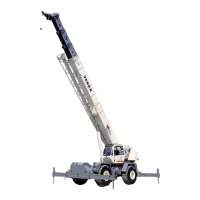
RT500
Applicable Standards / Regulations
324 REVISED:


 To Next Page