98
TK 56430-18-IP-EN
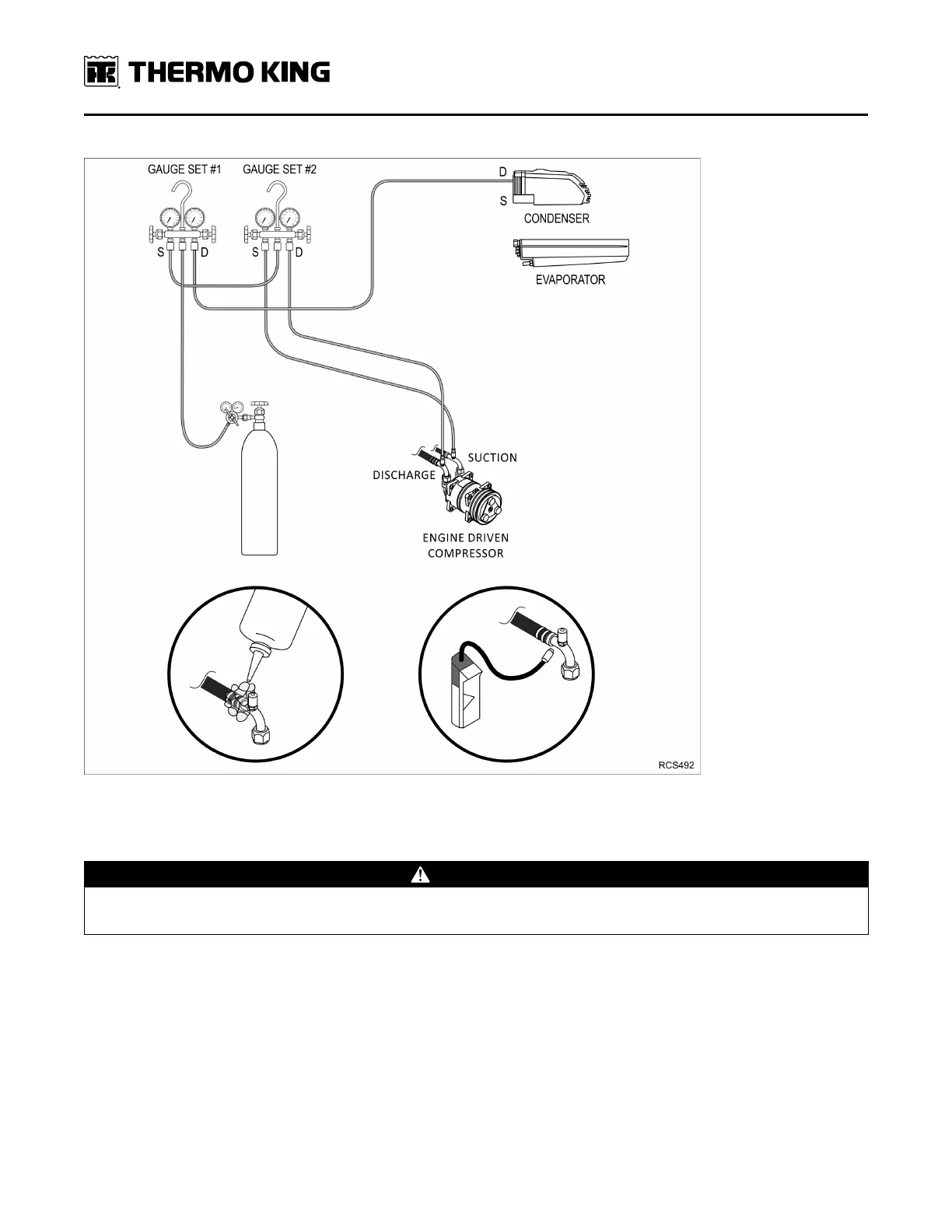
Figure 82. Testing for Leaks using Nitrogen
Using Pressurized Nitrogen
Safety Precautions
CCAAUUTTIIOONN
HHaazzaarrddoouuss PPrreessssuurreess!!
NNiittrrooggeenn ((NN)) iiss uunnddeerr 115522 bbaarr//22220000 ppssiigg ((1155116699 kkPPaa)) pprreessssuurree iinn aa ffuullll ccyylliinnddeerr aatt 7700 FF ((2211 CC))..
IImmpprrooppeerr uussee ooff hhiigghh pprreessssuurree ccyylliinnddeerrss ccaann ccaauussee pphhyyssiiccaall ddaammaaggee ttoo ccoommppoonneennttss,, ppeerrssoonnaall iinnjjuurryy,, oorr ssttrreessss
tthhaatt ccaann lleeaadd ttoo ffaaiilluurree ooff ccoommppoonneennttss.. OObbsseerrvvee tthhee pprrooppeerr hhaannddlliinngg ooff ccyylliinnddeerrss::
• Always keep the protective cap on the cylinder when not in use.
• Secure the cylinder in a proper storage area, or fasten the cylinder to a cart.
• Do not expose to excessive heat or direct sunlight.
• Do not drop, dent, or damage the cylinder.
• Use a pressure regulator and a safety pressure relief valve as part of the pressure testing equipment. The safety
pressure relief valve should be the non-adjustable, non-tampering type. The valve should bypass any time the
pressure exceeds its setting.
• Open the supply valve slowly. Use regulators and safety valves that are in good condition
SSeeccttiioonn 1111 -- SSyysstteemm LLeeaakk CChheecckk PPrroocceedduurreess




 To Next Page