Rockwell Automation Publication 1444-UM001D-EN-P - June 2018 135
Measurement Definition Chapter 4
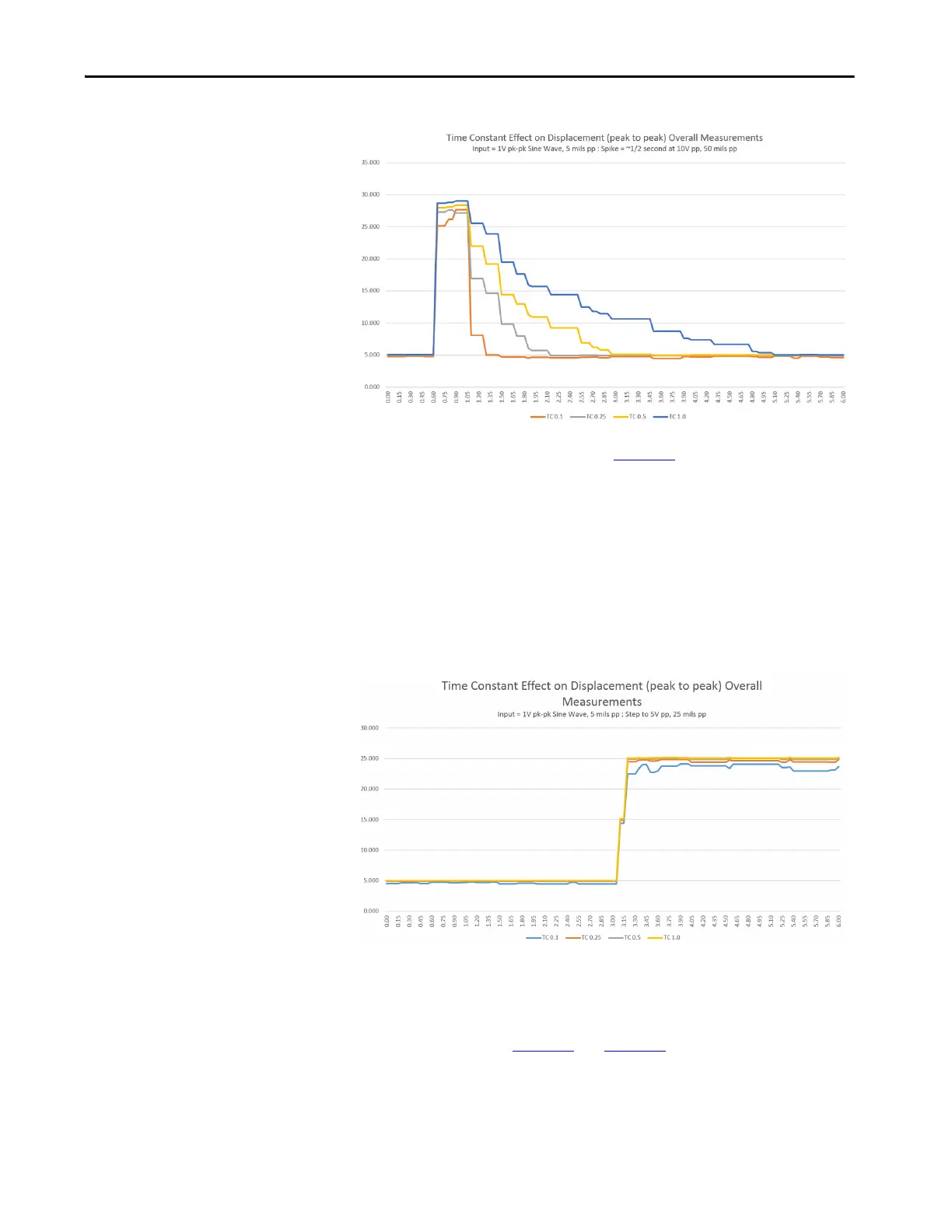
Figure 56 - Time Constant Effect: True Peak Signal Detection, Signal Spike
A step change in a signal, as illustrated in Figure 57, can indicate a real change
in machine condition, such as from a loss of mass event. In such a case the
change could be significant, possibly cause damage, and can require immediate
action by operators or the protection system itself.
As with a signal spike, a True Peak measurement reacts almost instantaneously
to the stepped increase in magnitude. And within milliseconds after the
measurement, resolves to the same behavior of a steady state signal as described
previously.
Figure 57 - Time Constant Effect: True Peak-Peak Signal Detection, Step Change
RMS and Scaled Peak Measurements
The behavior of steady state measurements that apply RMS-based signal
detection is illustrated in Figure 58
and Figure 59. As illustrated, applying the
minimum time constant (0.1) can somewhat reduce measurement accuracy.
However, for RMS measurements, while a low TC does result in greater
variability in the measurement, the amount of the potential error, compared to
higher TC settings, is minimal.


 To Next Page
 Loading...