P44x/EN AD/E44 Update Documentation
Page 68/82
MiCOM P441, P442 & P444
In each mode, the decision to send a command is made by a local protective relay operation,
and three generic types of InterMiCOM signal are available:
Intertripping In intertripping (direct or transfer tripping applications), the command is
not supervised at the receiving end by any protection relay and simply
causes CB operation. Since no checking of the received signal by
another protection device is performed, it is absolutely essential that any
noise on the signalling channel isn’t seen as being a valid signal. In other
words, an intertripping channel must be very secure
.
Permissive In permissive applications, tripping is only permitted when the command
coincides with a protection operation at the receiving end. Since this
applies a second, independent check before tripping, the signalling
channel for permissive schemes do not have to be as secure as for
intertripping channels.
Blocking In blocking applications, tripping is only permitted when no signal is
received but a protection operation has occurred. In other words, when a
command is transmitted, the receiving end device is blocked from
operating even if a protection operation occurs. Since the signal is used
to prevent tripping, it is imperative that a signal is received whenever
possible and as quickly as possible. In other words, a blocking channel
must be fast and dependable.
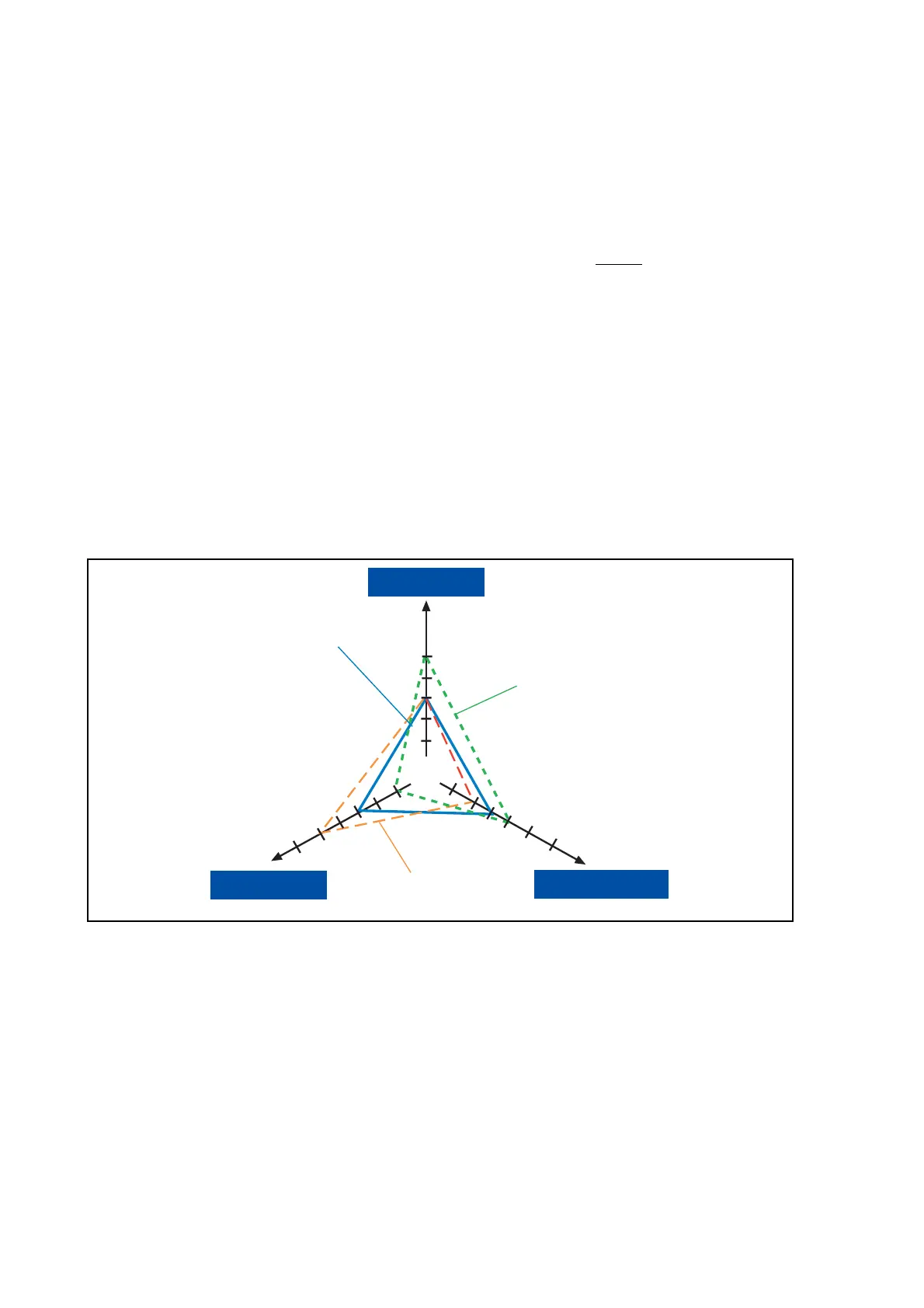
The requirements for the three channel types are represented pictorially in figure 19.
Security
Dependability
Speed
low
faster
slower
high
Direct
Intertrip
Permissive
Blocking
P1342ENa
PICTORIAL COMPARISON OF OPERATING MODES
This diagram shows that a blocking signal should be fast and dependable; a direct intertrip
signal should be very secure and a permissive signal is an intermediate compromise of
speed, security and dependability.


 To Next Page