13
Wireless Data Transmission
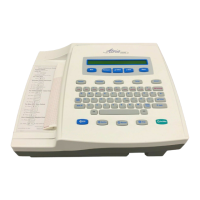
Some Burdick electrocardiographs can be equipped with an optional wireless data transmission module
(WLAN or GSM). Both these technologies use radios to transmit data to a Burdick receiving application. Due
to the nature of radio transmissions, it’s possible that, due to the characteristics of the environment where the
device is located, some other RF sources may interfere with the transmission generated by the device. Mortara
Instrument has tested the coexistence of the device with other devices that can interfere such as devices using
WLAN, Bluetooth radio, and/or cell phones. Although the current technology allows a very successful rate of
transmission, it’s possible that in some rare occurrences, the system may not perform at its best resulting in a
“failed transmission”. When this occurs, patient data will not be erased from the device nor stored in the
receiving application, ensuring that partial or corrupted data are not made available to the receiving station. If
the failure mode persists the user should move to a position where the RF signals may propagate better and
allow successful transmissions.
WLAN Option
Wireless options transmit in the 2.4 GHz or 5 GHz range. Other nearby wireless devices in the same frequency
range may cause interference. If possible, move or turn off other devices to minimize potential interference.
The Wireless LAN module used is compliant with the IEEE 802.11 a, b, g and n standards.
Access Points used should respect IEEE 802.11 standards as well as local Radio Frequency regulations. The
device will scan the available channels and connect to the Access Point on the channel where the SSID that is
configured on the device is available.
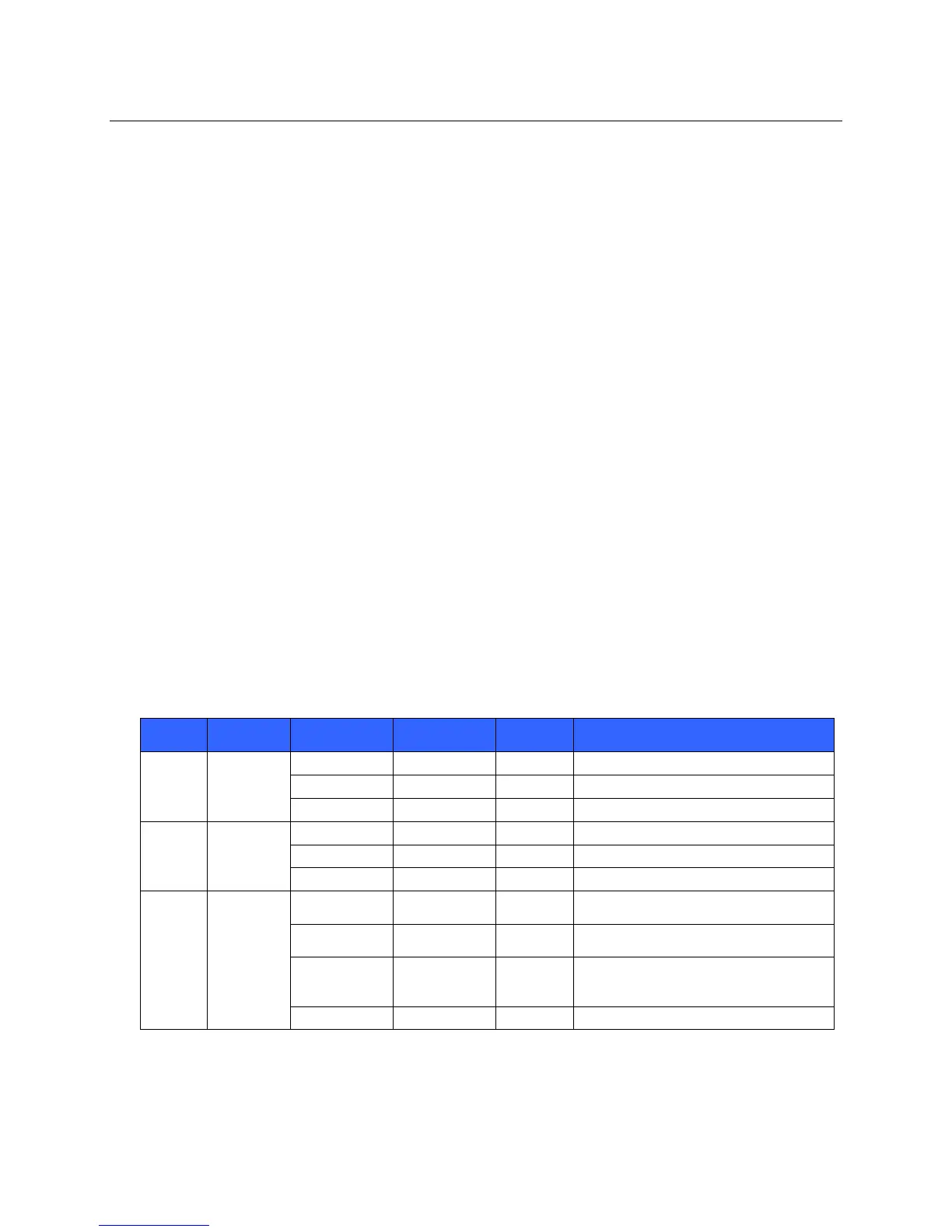
The following table shows the radio channels allocated in different geographic areas in the world. For bands
802.11b and g, only channels 1, 6, 11 and 14 (Japan only) are non-overlapping; for band 802-11a, channels
shown represent non-overlapping channel numbers.
5.15 - 5.35,
5.725 - 5.825
36,40,44,48,52,56,60,64,149,153,157,
161,165
5.15 - 5.35,
5.47 - 5.725
36,40,44,48,52,56,60,64,100,104,108,
112,116,120,124,128,132,136,140
4.91 – 4.99,
5.15 - 5.35,
5.47 - 5.725
36,40,44,48,52,56,60,64,100,104,108,
112,116,120,124,128,132,136,140,184
188,192,196
In order to achieve the best transmission rate, it is necessary that the facility where the device is operated can
provide good area coverage. Please consult the IT personnel of the facility to verify the proper WLAN
availability in the area where the device will be used.
RF wave propagation may be blocked or reduced by the environment where the device is used. Most common
areas where this may occur are: shielded rooms, elevators, underground rooms. In all such situations it is
recommended to move the device to a proper location where the WLAN frequencies are available.



 To Next Page