XMPE0PCG125NST020 1st edition - 2020
pressure wave is transmitted to
the pump resulting in noise.
A pulsation dampener before the
back pressure valve may be
required. A different type of valve
may be required.
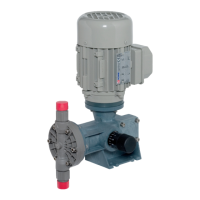
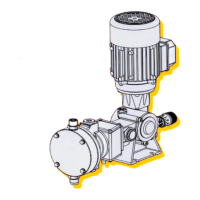
20.2 - Troubleshooting table for direct diaphragm pumps type D
Low discharge pressure
Low flow rate
1 - Clogged suction system:
Clean the suction filter. Check
the suction pipe and the feed
tank for obstructions or partially
closed valves.
2 - Worn pressure relief valve
seat:
Check the pressure relief valve, if
the liquid leaks - switch-off the
pump and check.
3 - pump not completely
primed (air bubble in the
suction pipe):
Excessive suction height, comply
with the NPSHr value, install a
suction diaphragm.
4 – incorrectly connected
motor:
Check the motor plate again for
the correct wiring sequence.
Check the phases.
Inspect valve units. Clean or
replace the components if
required.
6 - air entering the pump head
Check the presence of inlet air in
the suction pipe. Check junctions
between pipes, seals around the
valve rods, and the connections
of the instruments.
Check diameter and piping route.
7 - insufficient suction
pressure
Increase suction pressure.
Reduce the suction height or
increase the liquid level in the
feed tank.
8 - Circuitous piping route with
the presence of chokes; pipe
inner diameter smaller than the
valve passage area;
Check diameter and piping route.
1 - air entering the pump head
Check the presence of inlet air in
the suction pipe. Check junctions
between pipes, seals around the
valve rods, and the connections
of the instruments.
2 - foreign material inside the
valve
Inspect valve units. Clean or
replace the components if



 To Next Page