Figure 2: Distance requirements for the pressure and temperature transmitters. .................................. 8
Figure 3: The preferred and non-preferred orientation for horizontal pipe installation. ........................... 9
Figure 4: Vertical flare boom with the transducer holders and transducers installed. ........................... 10
Figure 5: Cold tapping – placement of spot marks. ............................................................................... 11
Figure 6: Cold tapping – centerlines. ..................................................................................................... 11
Figure 7: Cold tapping – contour marker. .............................................................................................. 11
Figure 8: Marking a line around the pipe using a marking band. .......................................................... 12
Figure 9: Machined hole. ....................................................................................................................... 13
Figure 10: Machined holder. .................................................................................................................. 13
Figure 11: As you raise the transducer holder, you must also move it backwards to keep the centering
correct. ................................................................................................................................................... 13
Figure 12: Welding jig and transducer holder........................................................................................ 14
Figure 13: Transducer holder welded to the pipe. ................................................................................. 14
Figure 14: The sighting tool for the 42°/48° transducer holders ............................................................ 15
Figure 15: The sighting tool for 45° transducer holders. ....................................................................... 15
Figure 16: The stop washer for the sighting tool for the 42°/48° transducer holders. ........................... 15
Figure 17: A 45° sighting tool mounted in a transducer holder. ............................................................ 15
Figure 18: A 42°/48° sighting tool with stop washer mounted in a transducer holder. .......................... 15
Figure 19: Look through the holes on the sighting tool. Rotate the sighting tool on the left to get a
correct alignment. .................................................................................................................................. 16
Figure 20: A good alignment. ................................................................................................................ 16
Figure 21: A bad alignment. .................................................................................................................. 16
Figure 22: The gas-proof measuring tool. ............................................................................................. 17
Figure 23: A schematic of the gas-proof measuring tool. ...................................................................... 18
Figure 24: Insertion depth. ..................................................................................................................... 18
Figure 25: Retracted tranducers distance. ............................................................................................ 19
Figure 26: Edge-flush position for a 45° transducer holder. .................................................................. 19
Figure 27: Edge-flush position for a 42° transducer holder. .................................................................. 20
Figure 28: Edge-flush position for a 48° transducer holder. .................................................................. 20
Figure 29: Mounting the Transducer Full Size. ..................................................................................... 21
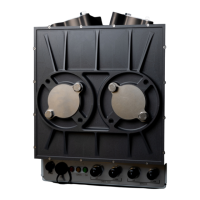
Figure 30: The FGM 160 Field Computer mounting frame versions. .................................................... 22
Figure 31: Ex-e enclosure terminals overview. ..................................................................................... 23
Figure 32: Power to the FGM 160. ........................................................................................................ 24
Figure 33: Connecting the Ultrasonic Transducers to the FGM 160. .................................................... 25
Figure 34: Connection details for ultrasonic transducers. ..................................................................... 26
Figure 35: Pressure and temperature transmitter hook-up. .................................................................. 27
Figure 36: FGM 160 – 4-20 mA pressure and temperature transmitter connections. ........................... 28
Figure 37: Pressure and Temperature HART transmitter connection. .................................................. 28
Figure 38: Data and Signal Cables. ...................................................................................................... 29
Figure 39: Foundation Fieldbus Connection ......................................................................................... 30
Figure 40: Active output current loop(s), wiring ..................................................................................... 31
Figure 41: Passive output current loop(s), wiring .................................................................................. 32
Figure 42: Current loop outputs, details ................................................................................................ 33
Figure 43: Current loop outputs, Load/Voltage limitations .................................................................... 34
Figure 44: Current loop active output, High side load and Low side load ............................................. 34
Figure 45: Current loop passive output, High side load and Low side load .......................................... 34
Figure 46: Multiple current loop outputs, Active output configuration ................................................... 35
Figure 47: Multiple current loop outputs, Passive output configuration ................................................ 35
Figure 48: FGM 160 Pulse/frequency output connections .................................................................... 37
Figure 49: FGM 160 Pulse/frequency output connections. Without external power ............................. 37
Figure 50: FGM 130 –> FGM 160 upgrade ........................................................................................... 38
Figure 51: Space requirements for the TFS .......................................................................................... 40
LIST OF TABLES
Table 1: The space requirements for Transducer Full Size, TFS. .......................................................... 7
Table 2: Min./max. loop resistance at typical loop voltages. ................................................................. 33


 To Next Page