absolute output level in Volts (after taking the test level into consideration, but before the
weightings and impedance corrections are added).
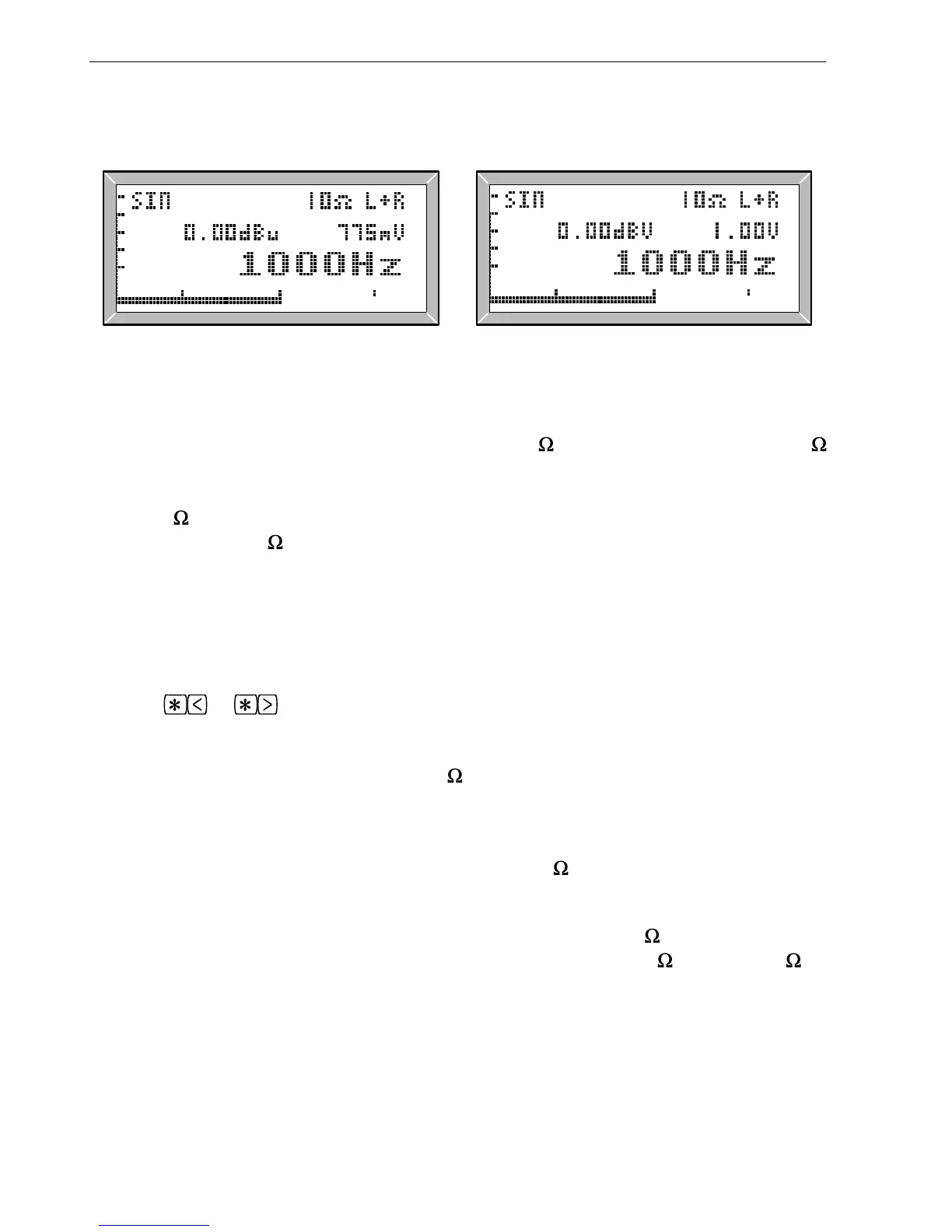
Fig. 2.20 dBu and Volts Fig. 2.21 dBV and Volts
The LA102 normally displays the measured voltage in dB relative to 0.775V, or
dB(0.775V), indicated by the symbol dBu, with 10k
input impedance. When 600
input impedance is selected this changes to power, measured in dB(1mW), indicated by
the symbol dBm. (Note that this is equivalent to dBu, since a voltage of 0dBu (0.775V)
into a 600
load gives a power of 1mW, which is 0dBm; the ‘dBm’ units merely imply
the existence of a 600
load).
Level units
Relative measurements such as distortion, W&F and any measurement with a Test Level
set are always displayed in dB regardless of the units selected. The bar graph is always
labelled in absolute dBu except when dBV units are selected when it shows absolute
dBV.
bar graph units
Pressing or on the LA102 gives cyclic access to the other units (see fig. 2.21):
dBu or dBm (depending on input impedance, as described above)
dBV (relative to 1V, ie 0dBV = +2.21dBu)
Watts (power equivalent into 8
)
Volts (V, mV or µV)
Configuration U determines the units used after switch-on or reset: U0 selects dBu/dBm
(the default), U1 selects dBV, U2 selects Watts (into 8
), U3 selects Volts. Test level
segment results (T and V) are also displayed in the selected units.
When measuring power in Watts, the LA102 does not provide an 8
load which must be
provided externally. Configuration W provides a choice of ‘W into 8
’ or ‘W into 8 V/
10’. The former measures from 8pW to 47W. The latter assumes an external divide-by-
ten voltage attenuator as shown in fig. 2.22 for measurement up to 4700W.
32
2. Manual Operation



 To Next Page