76
1. Trim the valve with a 45° valve seat ring cutter and adjust the width of the
sealing surface. Turn the cutter clockwise until the surface of the seat ring is smooth.
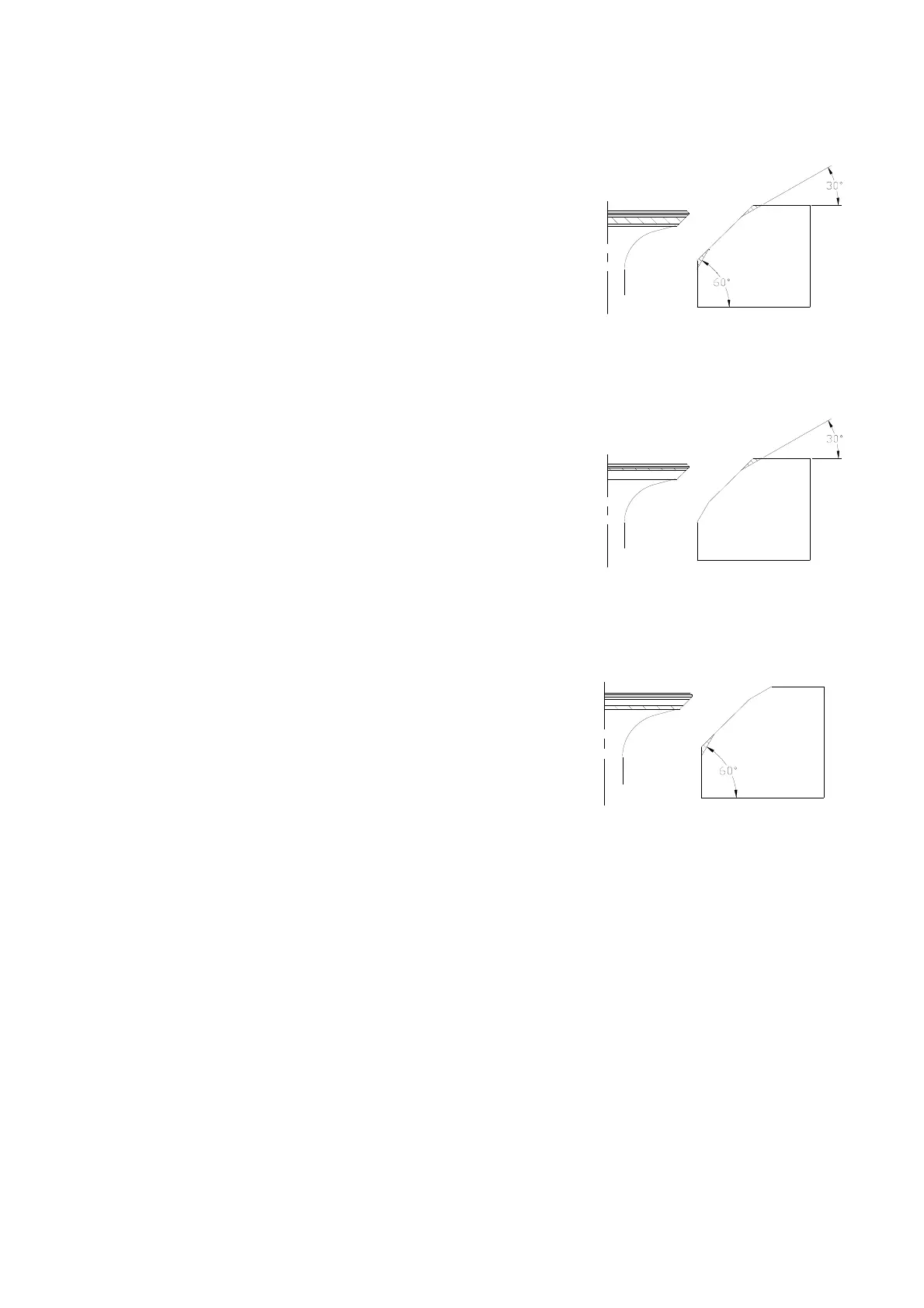
2. If the valve sealing surface is too wide and in the middle of the valve surface, trim
the top edge of the seat ring with a 30° cutter and trim the bottom edge of the seat
ring with a 60° cutter, and adjust the width of the sealing surface.
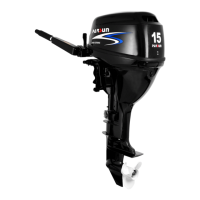
3. If the valve sealing surface is too narrow and at the top edge of the valve surface,
trim the top edge of the seat ring with a 30° cutter, and adjust the width of the
sealing surface with a 45 tool.
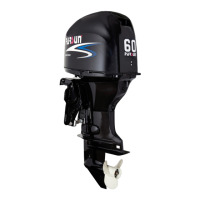
4. If the valve sealing surface is too narrow and at the bottom edge of the valve surface,
trim the bottom edge of the seat ring with a 60° cutter, and adjust the width of the sealing
surface with a 45° cutter (if any).
5. Apply a thin layer of abrasive evenly to the valve seat ring, and grind the valve with a
valve grinding tool.
6. Remove the residual abrasive.
7. Check the width of valve sealing surface again.
Note:
Do not excessively cut the valve, and turn the cutter evenly with a downward force of 40
~ 50N.
Do not stick the abrasive on the valve stem and valve guide.
Assemble and mount the cylinder head
1. Install a new valve oil seal and apply engine oil to the valve guide.
2. Install the valve, valve spring plate, valve spring and spring seat in sequence.
3. Compress the valve spring with the valve spring compressor and install the valve spring
retainer.


 To Next Page