The temperature and humidity of the working environment suitable for
each filament may vary. It is recommended to consult the information
provided by the filament manufacturer for more detailed guidance.
c. Adjust the parameters
a) See Print Menu
01
Check the working environment
1.1 Temperature & humidity
1.1.1 Recommended temperature
Fused Filament Fabrication (FFF) technology is very sensitive to temperature. To ensure ideal
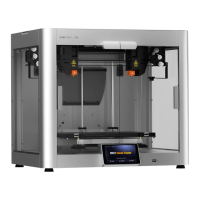
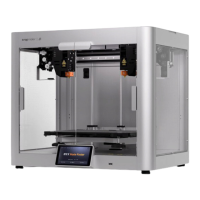
printing results, place the 3D printer at the recommended ambient temperature. The Snapmaker J1
has a recommended operating ambient temperature of 10 ° C to 35 ° C (50 ° F to 95 ° F)
If the ambient temperature is too high, it may affect the printing effect of some filaments (such
as PLA), and there is a risk of damaging the 3D printer components. If necessary, use a fan or
air conditioner to reduce the ambient temperature.
If the ambient temperature is too low, it may also affect the printing results of some filaments
(such as ABS and PA). Another adverse effect is that prints are prone to edge warping: under the
action of cold air, the top layer of extruded filaments will shrink; The bottom layer, which is
continuously heated by the heated bed, expands and warps. If necessary, use the air conditioner
to increase the ambient temperature.
1.1.2 Recommended humidity
The recommended operating environment for Snapmaker J1 is 10% -90% relative humidity (no
condensation). In extremely humid environments, 3D printers can be damaged by moisture in their
components. In an extremely dry environment, a 3D printer that is subject to static interference
may perform the wrong operation. If necessary, use a dehumidifier or humidifier to keep the
relative humidity within the recommended range.
1.2 Workbench
Place the Snapmaker J1 on a firm, level workbench.
Fumes and particles that are harmful to the human respiratory system are generated when printing
with certain filaments such as ABS. Please place the workbench in a well-ventilated place or use
it with air purification equipment.


 To Next Page