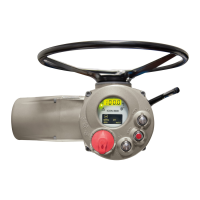
EasyManua.ls Logo

BIFFI ICON-040 - User Manual

Default Icon
177 pages
Print Icon
To Next Page IconTo Next Page
Loading...
Installation, Operation and Maintenance Manual
VCIOM-08500-EN
December 2019
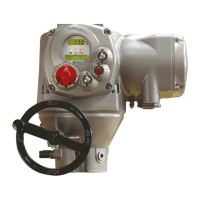
Bif ICON3000
Electric Actuator
Copyright © Bif. The information in this document is subject to change without notice. Updated data sheets can be obtained from our website www.bif.it or from your nearest Bif Center:
Bif Italia s.r.l. - Strada Bif 165, 29017 Fiorenzuola d'Arda (PC) – Italy PH: +39 0523 944 411 – bif_italia@bif.it

Table of Contents

Question and Answer IconNeed help?

Do you have a question about the BIFFI ICON-040 and is the answer not in the manual?

Summary

Section 1: General Safety Instructions

1.2 Hazardous Area Safety

Critical safety guidelines for installing actuators in potentially explosive environments.

1.2.1 Marking Interpretation

Details on actuator markings and their significance for safety and compliance.

Section 3: Installation

3.4 Actuator Mounting

Procedures for physically mounting the actuator onto the valve assembly.

3.5 Electrical Connections

Guidelines for making all necessary electrical connections to the actuator.

3.9 Explosion-Proof Enclosure Maintenance

Specific guidance for maintaining explosion-proof integrity during maintenance.

3.10 Explosive Dust Environment Installation

Special considerations for installing the actuator in dusty hazardous areas.

Section 4: Lubrication

Section 5: Operating the ICON3000

5.2 Electrical Operation

Connecting power and operating the actuator electrically.

5.3 Local Control Operations

Using the local push-buttons and selector for actuator control.

5.6 Remote Control Configuration

Configuring and using remote control modes for the actuator.

5.6.3 ESD Operation

How the Emergency Shut Down (ESD) signal overrides commands.

5.7 First-Time Operation

Initial startup procedures and checks before first-time operation.

Section 6: Local Controls

6.1 Local Operator Interface Description

Overview of the components and functions of the local control interface.

6.2 Configuration Options via Local Interface

Details on how to configure actuator settings via the local interface menus.

6.4 Entering Set-Up Mode

Procedures for accessing and modifying actuator settings, including password entry.

Section 7: Set-Up Menu

Actuator Set-up Menu

Main menu for configuring actuator parameters like limits, torque, and controls.

Section 9: Set-Up Routines

9.1 Actuator Set-Up Routines

Routines for configuring actuator parameters based on valve type.

9.1.1 Set Stroke Limits

Configuring opening and closing limits, and direction.

9.1.2 Torque Set-up

Setting output torque limits for opening and closing.

9.1.3 ESD Control Configuration

Configuring the actuator's response to an Emergency Shut Down signal.

9.1.4 Remote Controls Configuration

Configuration options for remote control wiring and modes.

9.1.5 Local Controls Configuration

Configuring local control modes and LED colors.

9.1.7 Positioner Configuration

Configuring the positioning function for inching or modulating control.

9.1.8 Fail Safe Configuration

Configuring actuator action upon loss of input or bus signals.

9.1.9 OUT 4-20 mA Configuration

Configuring the 4-20 mA analog output signal for position or torque.

9.3.1 Set Password

Procedures for changing the actuator's access password.

Section 11: Maintenance

11.1 Standard Maintenance Procedures

Routine checks and inspections recommended for standard actuator maintenance.

Section 12: Troubleshooting

12.1 Electronics Power Issues

Diagnostic steps for when the actuator's electronics fail to power up.

12.2 DC Output Voltage Missing

Troubleshooting steps for missing DC output voltage at the terminals.

12.3 Remote Control Malfunctions

Diagnosing issues when remote control commands are not effective.

12.4 Motor Overheating

Troubleshooting procedure for an overheated motor that fails to start.

12.5 Actuator Not Moving Valve

Steps to diagnose why the motor runs but the actuator doesn't move the valve.

12.6 Manual Override Engagement Issues

Troubleshooting steps if the manual override lever is difficult to engage.

12.7 Valve Seating Problems

Addressing issues where the valve does not achieve proper seating.

12.8 Excessive Torque Requirement

Diagnosing and resolving situations where valve operation demands excessive torque.

12.9 Stop Position Errors

Troubleshooting for failure to stop at open or closed limits.

12.10 Numeric Position Display Errors

Steps to resolve when the position display shows "---".

12.11 Diagnostic Messages

Understanding and responding to actuator warning and alarm messages.

Appendix A: ICON3000; ICON3000 AD

A.2 Proper Installation Instructions

Guidelines for correctly installing the actuator according to specifications.

A.7.5 Explosive Dust Environment Installation

Special precautions for installation in dusty hazardous environments.

A.8.1 Periodic Inspection Guidelines

Recommended periodic inspection frequency and checks.

A.8.2 Disassembly and Re-assembly Procedures

Procedures for safely disassembling and reassembling explosion-proof enclosures.

Appendix B: ICON3000; ICON3000 AD; ICON3000 LP

B.2 Proper Installation Instructions

Mandatory checks before installing extensions or additional entries.

B.7.5 Explosive Dust Environment Installation

Special precautions for installation in dusty hazardous environments.

B.8.1 Periodic Inspection Guidelines

Recommended periodic inspection frequency and checks.

B.8.2 Disassembly and Re-assembly Procedures

Procedures for safely disassembling and reassembling explosion-proof enclosures.

Appendix C: ICON3000; ICON3000 AD

C.2 Proper Installation Instructions

Guidelines for correctly installing ICON3000/ICON3000AD actuators.

C.7.5 Explosive Dust Environment Installation

Special precautions for installation in dusty hazardous environments.

C.8.1 Periodic Inspection Guidelines

Recommended periodic inspection frequency and checks.

C.8.2 Disassembly and Re-assembly Procedures

Procedures for safely disassembling and reassembling explosion-proof enclosures.

Appendix D: ICON3000

D.7.5 Explosive Dust Environment Installation

Special precautions for installation in dusty hazardous environments.

Appendix E: ICON3000

E.7.5 Explosive Dust Environment Installation

Special precautions for installation in dusty hazardous environments.

Summary

Section 1: General Safety Instructions

1.2 Hazardous Area Safety

Critical safety guidelines for installing actuators in potentially explosive environments.

1.2.1 Marking Interpretation

Details on actuator markings and their significance for safety and compliance.

Section 3: Installation

3.4 Actuator Mounting

Procedures for physically mounting the actuator onto the valve assembly.

3.5 Electrical Connections

Guidelines for making all necessary electrical connections to the actuator.

3.9 Explosion-Proof Enclosure Maintenance

Specific guidance for maintaining explosion-proof integrity during maintenance.

3.10 Explosive Dust Environment Installation

Special considerations for installing the actuator in dusty hazardous areas.

Section 4: Lubrication

Section 5: Operating the ICON3000

5.2 Electrical Operation

Connecting power and operating the actuator electrically.

5.3 Local Control Operations

Using the local push-buttons and selector for actuator control.

5.6 Remote Control Configuration

Configuring and using remote control modes for the actuator.

5.6.3 ESD Operation

How the Emergency Shut Down (ESD) signal overrides commands.

5.7 First-Time Operation

Initial startup procedures and checks before first-time operation.

Section 6: Local Controls

6.1 Local Operator Interface Description

Overview of the components and functions of the local control interface.

6.2 Configuration Options via Local Interface

Details on how to configure actuator settings via the local interface menus.

6.4 Entering Set-Up Mode

Procedures for accessing and modifying actuator settings, including password entry.

Section 7: Set-Up Menu

Actuator Set-up Menu

Main menu for configuring actuator parameters like limits, torque, and controls.

Section 9: Set-Up Routines

9.1 Actuator Set-Up Routines

Routines for configuring actuator parameters based on valve type.

9.1.1 Set Stroke Limits

Configuring opening and closing limits, and direction.

9.1.2 Torque Set-up

Setting output torque limits for opening and closing.

9.1.3 ESD Control Configuration

Configuring the actuator's response to an Emergency Shut Down signal.

9.1.4 Remote Controls Configuration

Configuration options for remote control wiring and modes.

9.1.5 Local Controls Configuration

Configuring local control modes and LED colors.

9.1.7 Positioner Configuration

Configuring the positioning function for inching or modulating control.

9.1.8 Fail Safe Configuration

Configuring actuator action upon loss of input or bus signals.

9.1.9 OUT 4-20 mA Configuration

Configuring the 4-20 mA analog output signal for position or torque.

9.3.1 Set Password

Procedures for changing the actuator's access password.

Section 11: Maintenance

11.1 Standard Maintenance Procedures

Routine checks and inspections recommended for standard actuator maintenance.

Section 12: Troubleshooting

12.1 Electronics Power Issues

Diagnostic steps for when the actuator's electronics fail to power up.

12.2 DC Output Voltage Missing

Troubleshooting steps for missing DC output voltage at the terminals.

12.3 Remote Control Malfunctions

Diagnosing issues when remote control commands are not effective.

12.4 Motor Overheating

Troubleshooting procedure for an overheated motor that fails to start.

12.5 Actuator Not Moving Valve

Steps to diagnose why the motor runs but the actuator doesn't move the valve.

12.6 Manual Override Engagement Issues

Troubleshooting steps if the manual override lever is difficult to engage.

12.7 Valve Seating Problems

Addressing issues where the valve does not achieve proper seating.

12.8 Excessive Torque Requirement

Diagnosing and resolving situations where valve operation demands excessive torque.

12.9 Stop Position Errors

Troubleshooting for failure to stop at open or closed limits.

12.10 Numeric Position Display Errors

Steps to resolve when the position display shows "---".

12.11 Diagnostic Messages

Understanding and responding to actuator warning and alarm messages.

Appendix A: ICON3000; ICON3000 AD

A.2 Proper Installation Instructions

Guidelines for correctly installing the actuator according to specifications.

A.7.5 Explosive Dust Environment Installation

Special precautions for installation in dusty hazardous environments.

A.8.1 Periodic Inspection Guidelines

Recommended periodic inspection frequency and checks.

A.8.2 Disassembly and Re-assembly Procedures

Procedures for safely disassembling and reassembling explosion-proof enclosures.

Appendix B: ICON3000; ICON3000 AD; ICON3000 LP

B.2 Proper Installation Instructions

Mandatory checks before installing extensions or additional entries.

B.7.5 Explosive Dust Environment Installation

Special precautions for installation in dusty hazardous environments.

B.8.1 Periodic Inspection Guidelines

Recommended periodic inspection frequency and checks.

B.8.2 Disassembly and Re-assembly Procedures

Procedures for safely disassembling and reassembling explosion-proof enclosures.

Appendix C: ICON3000; ICON3000 AD

C.2 Proper Installation Instructions

Guidelines for correctly installing ICON3000/ICON3000AD actuators.

C.7.5 Explosive Dust Environment Installation

Special precautions for installation in dusty hazardous environments.

C.8.1 Periodic Inspection Guidelines

Recommended periodic inspection frequency and checks.

C.8.2 Disassembly and Re-assembly Procedures

Procedures for safely disassembling and reassembling explosion-proof enclosures.

Appendix D: ICON3000

D.7.5 Explosive Dust Environment Installation

Special precautions for installation in dusty hazardous environments.

Appendix E: ICON3000

E.7.5 Explosive Dust Environment Installation

Special precautions for installation in dusty hazardous environments.

BIFFI ICON-040 Specifications

General IconGeneral
ModelICON-040
Input Signal4-20 mA
ApplicationValve Control
BrandBIFFI
Operating Temperature-20°C to +70°C
Enclosure RatingIP66
CommunicationHART
Housing MaterialAluminum

Related product manuals