©2021 CAE 905K690052 v1.0 49
Using Aria
Laryngospasm
The Aria Advanced configuration comes with a software-controlled laryngospasm feature to increase
the difficulty of intubationand can be toggled on or off.
To activate the laryngospasm feature:
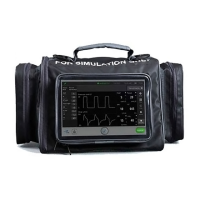
1. Enable Laryngospasms in the Maestro software. Tap the Respiratory icon on the SCE run
screen.
2. Slide the Laryngospasm parameter toggle to the ON position.
To resolve the laryngospasm feature:
1. From the Run screen, tap on the white dot with X to the right of Laryngospasm enabled.
OR
2. Tap the Respiratory icon on the SCE Run screen and slide the Laryngospasm parameter
toggle to the OFF position.
Bronchial Resistance
The Aria configurations include a variable bronchial resistance feature that is software-controlled.
To control bronchial resistance in the software:
1. Tap the Respiratory icon on the SCE run screen.
2. Tap on Bronchial Resistance Factor: Left or Bronchial Resistance Factor: Right and
adjust the settings as desired.
Resistance settings can be toggled from 0.20 - 250000.00 (Default: 1.00)
A setting >=5 will result in moderate resistance.
A setting >=50 will result in occlusion.
The user can also induce bronchial occlusion by tapping the Left or Right bronchial occlusion toggle
ON or OFF (Default: OFF).
Note: When bronchial occlusion is enabled, unilateral chest excursion can be observed during
spontaneous or positive pressure ventilation.
Gastric Distention
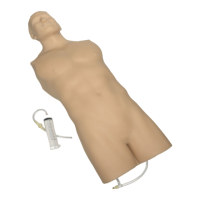
During esophageal intubation or overly aggressive bag-valve-mask ventilation, gastric distention
occurs. Gastric distention is relieved by putting pressure on the abdomen.



 To Next Page