
 Need help?
Do you have a question about the Dinstar DAG2000-32 and is the answer not in the manual?
Provides a general introduction to the DAG2000 Series FXS analog voice gateway.
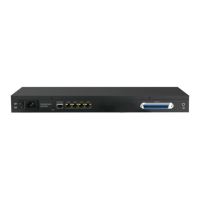
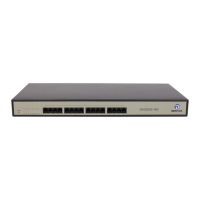
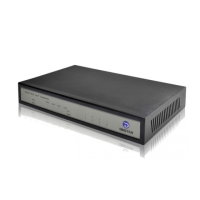
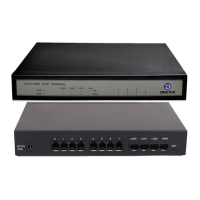
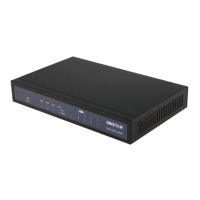
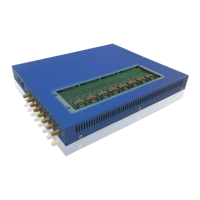
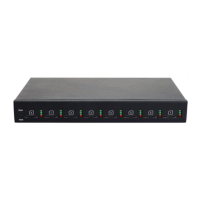
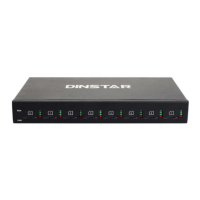
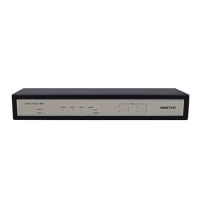
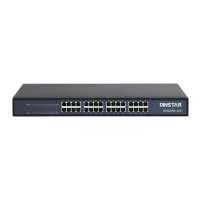
Details the physical appearance and models of the DAG2000 Series FXS analog gateway.
Specifies the power requirements and input voltage for the DAG2000 series.
Illustrates the network architecture and connectivity of the DAG2000 series gateway.
Lists the key functions, supported protocols, voice/fax parameters, and supplementary services.
Explains how to make phone calls, including dialing by number or IP address.
Describes the procedure for placing and retrieving calls on hold using the analog phone.
Details how the call waiting feature functions and how to toggle between calls.
Covers methods for transferring calls, including blind and attended transfers.
Lists and explains various feature codes for managing call functions and device settings.
Explains the supported fax modes and details on T.38 and Pass-Through.
Guides on how to check the LAN and WAN IP addresses using an analog phone.
Provides instructions on how to restore the device to its factory default settings.
Details the process for configuring the device's LAN port IP address dynamically or statically.
Explains how to access and log into the device's web-based configuration interface.
Describes the structure of the web configuration interface and its navigation elements.
Covers how to view system information, registration status, and network statistics.
A step-by-step guide for initial device configuration using a wizard.
Details settings for local network, VLAN parameters, and ARP configuration.
Introduces SIP server concepts and configuration parameters for VoIP setup.
Explains how to configure individual port settings like gain, user ID, and authentication.
Covers advanced configuration options for FXS, Media, SIP, Fax, Digit Map, and Features.
Details configuration for port groups, IP trunks, and routing rules for calls.
Explains how to configure rules for manipulating called/calling numbers in routing.
Covers device maintenance tasks like SNMP, Syslog, firmware updates, backup, and tests.



 To Next Page
 General