(6) The voltage drop will vary with the battery
temperature at the time of the load test. The battery
temperature can be estimated by using the ambient
temperature during the past several hours. If the
battery has been charged, boosted, or loaded a few
minutes prior to the test, the battery will be some-
what warmer. See the Load Test Temperature chart
for the proper loaded voltage reading.
(7) If the voltmeter reading falls below 9.6 volts, at
a minimum battery temperature of 21° C (70° F), the
battery is faulty and must be replaced.
IGNITION-OFF DRAW TEST
The term Ignition-Off Draw (IOD) identifies a nor-
mal condition where power is being drained from the
battery with the ignition switch in the Off position. A
normal vehicle electrical system will draw from five
to twenty-five milliamperes (0.005 to 0.025 ampere)
with the ignition switch in the Off position, and all
non-ignition controlled circuits in proper working
order. The twenty-five milliamperes are needed to
enable the memory functions for the Powertrain Con-
trol Module (PCM), digital clock, electronically tuned
radio, and other electronic modules which may vary
with the vehicle equipment.
A vehicle that has not been operated for approxi-
mately twenty days, may discharge the battery to an
inadequate level. When a vehicle will not be used for
twenty days or more (stored), remove the IOD fuse
from the Junction Block (JB). This will reduce bat-
tery discharging.
Excessive IOD can be caused by:
• Electrical items left on.
• Faulty or improperly adjusted switches.
• Faulty or shorted electronic modules and compo-
nents.
• An internally shorted generator.
• Intermittent shorts in the wiring.
If the IOD is over twenty-five milliamperes, the
problem must be found and corrected before replac-
ing a battery. In most cases, the battery can be
charged and returned to service after the excessive
IOD condition has been corrected.
(1) Verify that all electrical accessories are off.
Turn off all lamps, remove the ignition key, and close
all doors. If the vehicle is equipped with an illumi-
nated entry system or an electronically tuned radio,
allow the electronic timer function of these systems
to automatically shut off (time out). This may take
up to three minutes. See the Electronic Module Igni-
tion-Off Draw table for more information.
ELECTRONIC MODULE IGNITION-OFF DRAW (IOD)
MODULE
TIME OUT?
(IF YES, INTERVAL AND WAKE-UP INPUT)
IOD
IOD AFTER
TIME OUT
Radio No
1to3
milliamperes
N/A
Audio Power
Amplifier
No
up to 1
milliampere
N/A
Central Timer Module
(CTM)
No
4.75
milliamperes
N/A
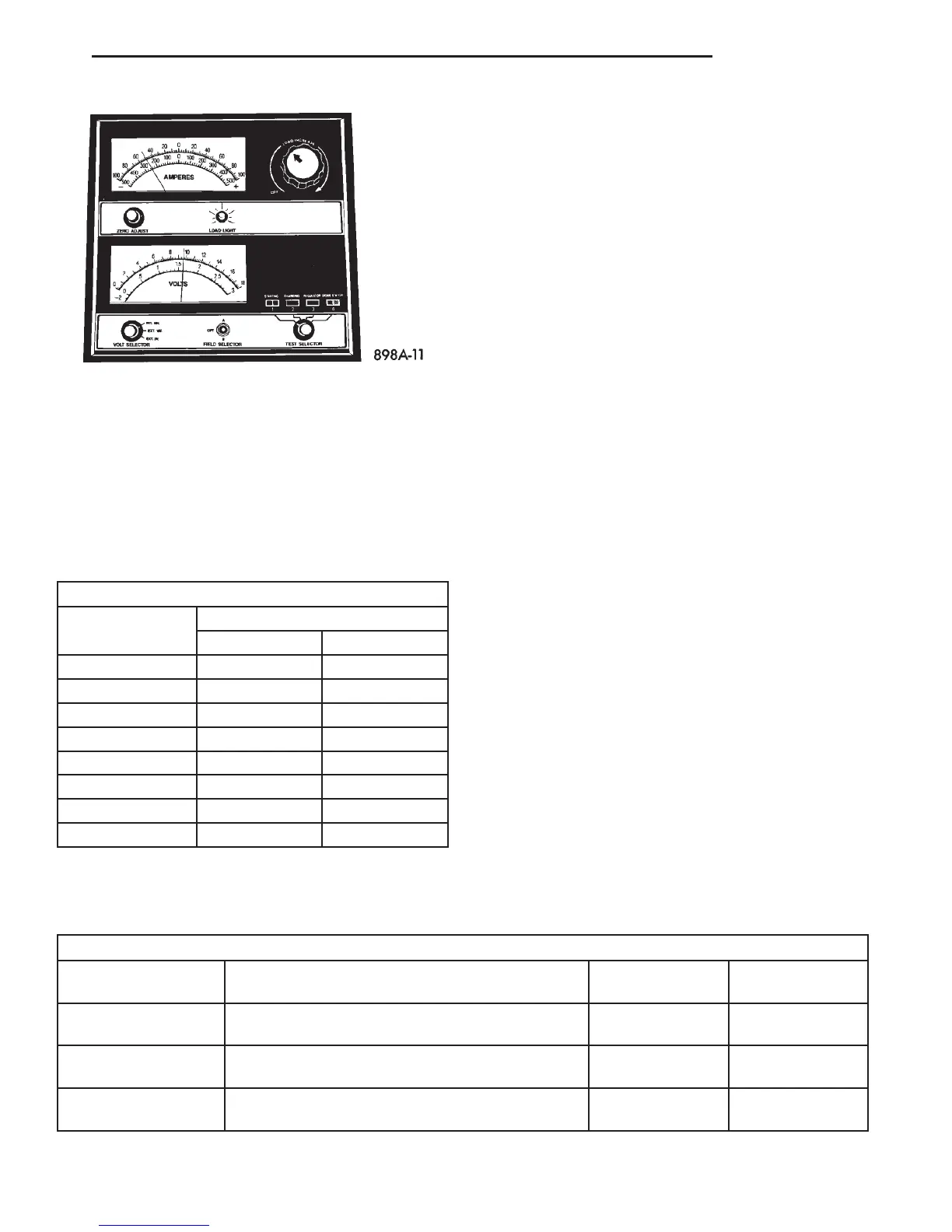
Fig. 12 Load 50% CCA Rating - Note Voltage -
Typical
Load Test Temperature
Minimum Voltage
Temperature
°F °C
9.6 volts 70° and above 21° and above
9.5 volts 60° 16°
9.4 volts 50° 10°
9.3 volts 40° 4°
9.1 volts 30° -1°
8.9 volts 20° -7°
8.7 volts 10° -12°
8.5 volts 0° -18°
DN BATTERY 8A - 13
DIAGNOSIS AND TESTING (Continued)















 To Next Page