82
ENGLISH
CHANGING A TYRE
When changing a tyre, use the type and model
recommended by the manufacturer. The use of
other than recommended tyres could jeopardise
the drive ability and stability of the vehicle with
consequent danger of accidents and risk of seri-
ous injury and even death.
Replacements, repairs and maintenance are very
important, require experience and must be carried
out with the appropriate tools.
For this reason it is recommended going to a FAN-
TIC MOTOR Dealer or a specialised tyre repairer for
the above procedures.
PRECAUTIONS
High speed tends to open the tyre pressure valves
(due to the centrifugal force generated by wheel
rotation). Correctly closed pressure valve nipples
prevent a sudden drop in pressure of the tyres.
Check that the pressure valves always have caps
fi tted on them.
New tyres are covered with a slippery coating that
disappears after the fi rst few kilometres; ride with
caution during this period.
Do not grease the tyres with unsuitable liquid and
do not clean them with petrol or any other diluent.
If the tyres are old, even if not completely smooth,
they could harden and no longer guarantee good
road-holding. In this case they must be changed.
Take great care when removing/fi tting tyres to
avoid scratching or damaging the rims with the
tools and the vices.
CLUTCH
TIPS
The clutch must be adjusted if:
- the vehicle tends to move forward with the clutch
pressed and the gear engaged (in this case the
clutch does not disengage);
- upon starting or during running, when releasing
the clutch the engine revs excessively and delays
in transferring movement to the rear wheel (the
clutch binds and therefore slips).
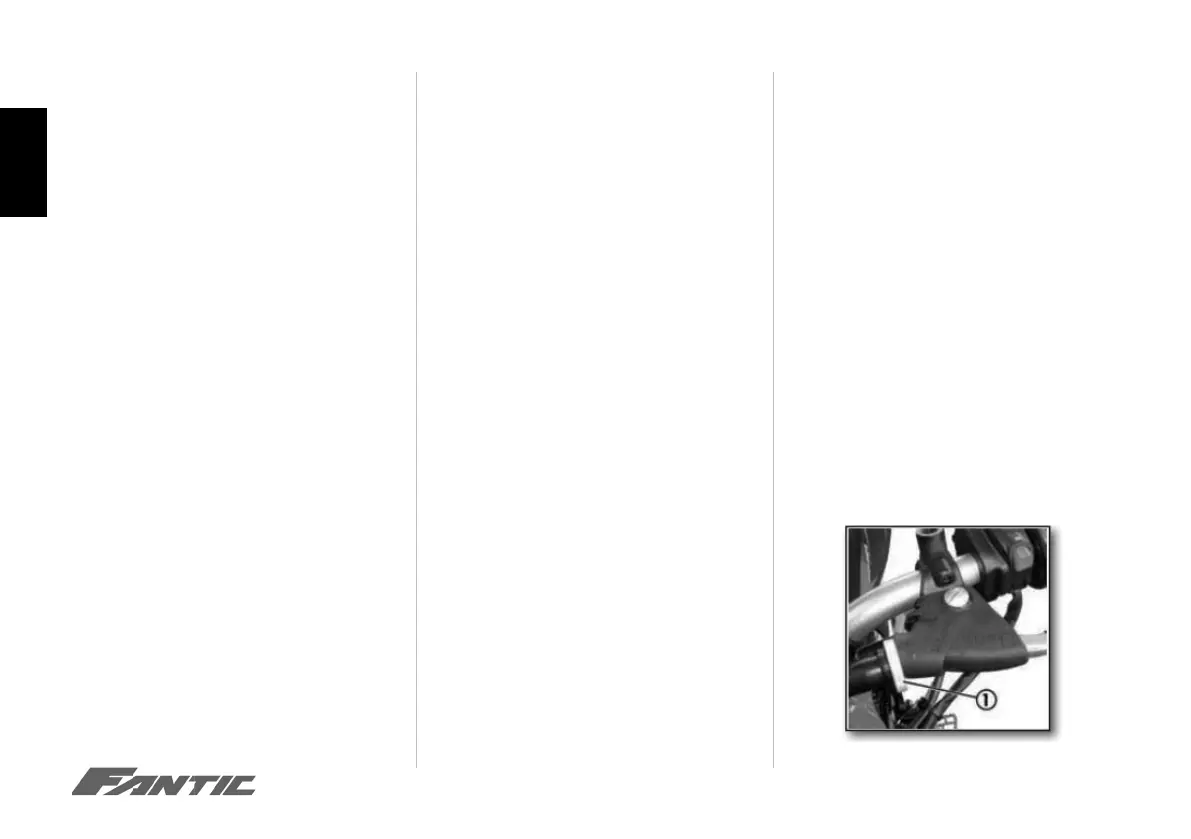
Adjustment is made using the adjusting screw (1)
located on the clutch connection to the handlebar.
ADJUSTMENT
This model is equipped with a single adjustment
device (1) for the clutch cable length.




 To Next Page