•
Permit no smoking or other ignition sources in,
or within thirty feet of, a natural gas vehicle.
•
Have CO
2
fire extinguishers (ABC minimum)
located in a highly visible and easily accessible
location.
•
Use Purple-K powder (PKP) or a similar dry
powder to extinguish an LNG fire. Do not at-
tempt use water around an LNG fire.
•
Always purge the fuel lines before performing
maintenance or repairs on a natural gas fuel
system. Refer to the system manufacturer’s
service manual or the vehicle’s workshop
manuals for the proper purging procedure.
•
Always use a natural gas detector to test the
system for leaks, whether an odor is present or
not. Routinely inspect the fuel filtering and
regulating mechanisms, and the fuel lines. An
approved natural gas bubble solution can be
used to pinpoint the exact location of leaks. Do
not use soap and water. Soap and water can
cause premature failure of the O-rings in the
system.
•
Make sure black caps are always on the PRD
vent lines to reduce water build up in lines.
•
Do not store a natural gas vehicle indoors for
any extended period of time. Do not bring a
natural gas vehicle indoors unless the work-
shop is equipped with a methane detection and
ventilation system.
In Case of Emergency
If a vehicle has sustained damage or a leak has
been discovered:
1.
Turn the ignition switch off, and set the parking
brake.
2.
Exit the vehicle leaving as many doors and win-
dows open as possible. Get at least 30 feet from
the vehicle, and allow it to vent until it is safe to
do the steps below.
3.
Remove all ignition sources from the area sur-
rounding the vehicle.
4.
If it is safe to do so, close all fuel shutoff valves.
5.
Use a natural gas detector, or approved NG
bubble solution, to identify leaks in the fuel sys-
tem.
Natural Gas Fuel Tank Filling
Procedures
CNG Vehicle Fueling
CNG is moved from the fuel station storage tanks to
the vehicle cylinders through a metered dispenser.
During fueling, as pressure inside of the vehicle cyl-
inders increases, so does the temperature. The dis-
penser shuts off when it determines the CNG cylin-
ders are full.
CNG fuel cylinders cannot be filled to their full capac-
ity of 3600 psi (24 800 kPa) in cooler weather. Since
temperature change causes gas to expand and con-
tract, less pressure in the cylinders on a cold day is
equal to the same amount of gas at a higher pres-
sure on a warm day. The fuel station dispenser has a
temperature-pressure compensating device, which
accounts for ambient temperature during fueling. See
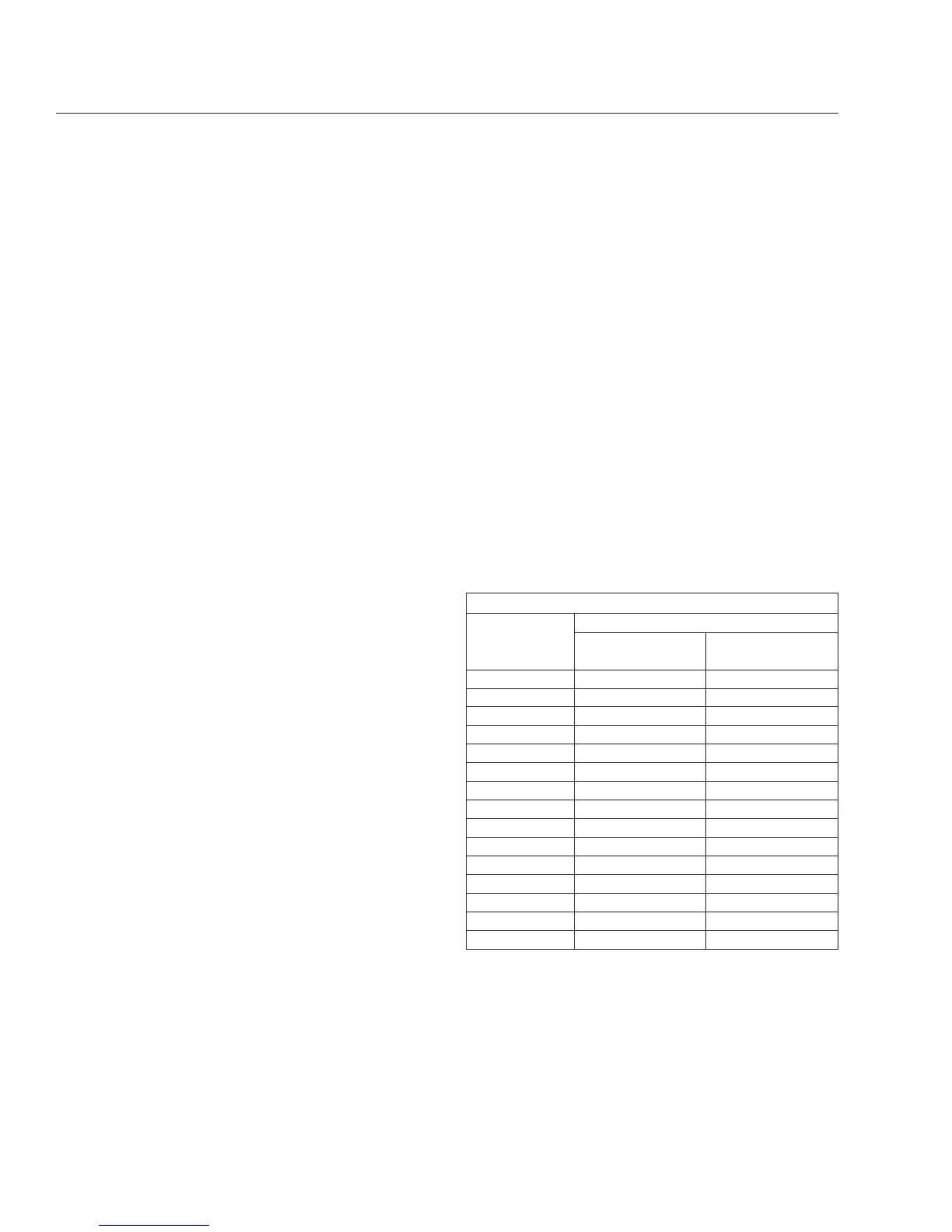
Table 25.1 for approximate full cylinder pressures at
various temperatures.
CNG Temperature/Pressure Compensation Values
Temperature:
°F (°C)
Fill Station Pressure Set Point
3000 psi (20 684
kPa) Set Point
3600 psi (24 821
kPa) Set Point
100 (37.8) 3415 (23 546) 4086 (28 172)
90 (32.2) 3276 (22 587) 3909 (26 952)
80 (26.7) 3138 (21 636) 3754 (25 883)
70 (21.1) 3000 (20 684) 3600 (24 821)
60 (15.6) 2861 (19 726) 3445 (23 752)
50 (10) 2723 (18 774) 3288 (22 670)
40 (4.4) 2584 (17 816) 3131 (21 587)
30 (-1.1) 2446 (16 865) 2973 (20 498)
20 (-6.7) 2307 (15 906) 2814 (19 402)
10 (-12.2) 2169 (14 955) 2655 (18 306)
0 (-17.8) 2031 (14 003) 2495 (17 202)
-10 (-23.3) 1893 (13 052) 2336 (16 106)
-20 (-28.9) 1755 (12 100) 2180 (15 031)
-30 (34.4) 1616 (11 142) 2024 (13 955)
-40 (-40) 1477 (10 184) 1868 (12 879)
Table 25.1, CNG Temperature/Pressure Compensation
Values
Use the following steps to fuel a CNG vehicle.
1.
Shut down the engine and apply the parking
brake.
Natural Gas Vehicles
25.3


 To Next Page