DATA EXCHANGE
D485 MODBUS TO DEVICENET CONVERTER – USER GUIDE 3–3
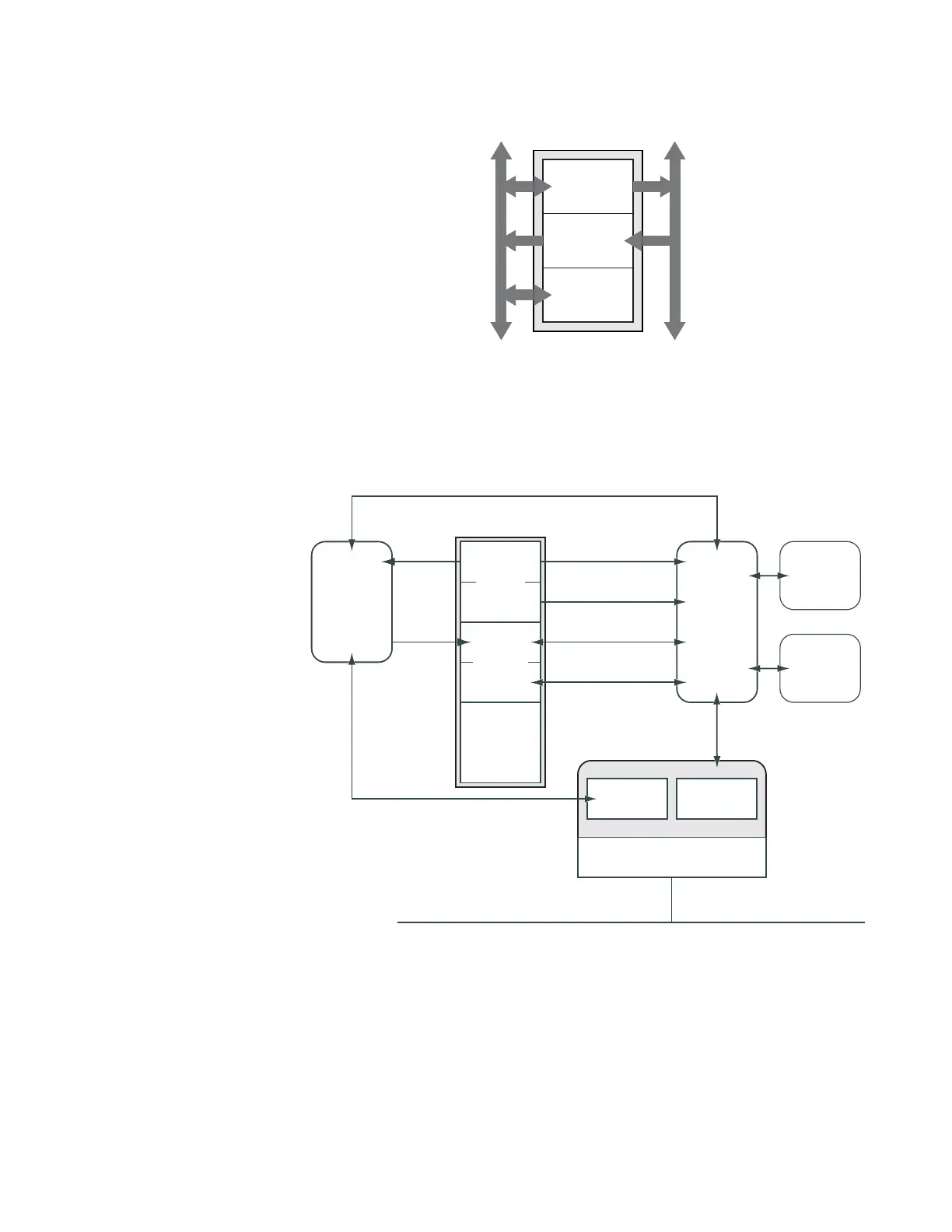
Figure 3-2: Internal memory buffer
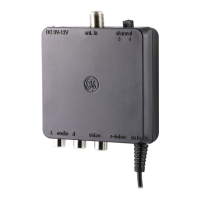
Data exchange on the fieldbus interface is based on the standard DeviceNet objects, and
five vendor specific objects. The vendor specific objects can be used to access the different
memory areas. However, most applications requires only the standard DeviceNet objects.
For a complete description of the available objects, please refer to DeviceNet object
implementation on page 3–6.
Figure 3-3: D485 memory structure
I/O DATA VS. EXPLICIT
DATA
The input and output areas can hold two types of data:
• I/O data: This data is sent/recevied upon change of value, polling or cyclically.
• Explicit data: This data is updated on request from another node on the fieldbus.
The amount of data that should be treated as I/O data is determined by the ‘I/O Sizes’
parameter in the EnerVista P485/D485 Setup software. The remainder will be treated as
explicit data. By default (that is, when using ‘automatic’ I/O sizes), all data is treated as I/O
data.
Internal memory buffer
Output data
(up to 512 bytes)
Input data
(up to 512 bytes)
Sub network
Fieldbus
General data
1024 bytes
Connection object
Explicit data
Assembly
object
Message router
object
DeviceNet
object
Identity
object
I/O connections
Explicit
messages
Link layer
D485 internal memory buffer
DeviceNet network
General data
(Not available on
the fieldbus)
Input data
I/O data
Explicit data
Output data
I/O data



 To Next Page