16
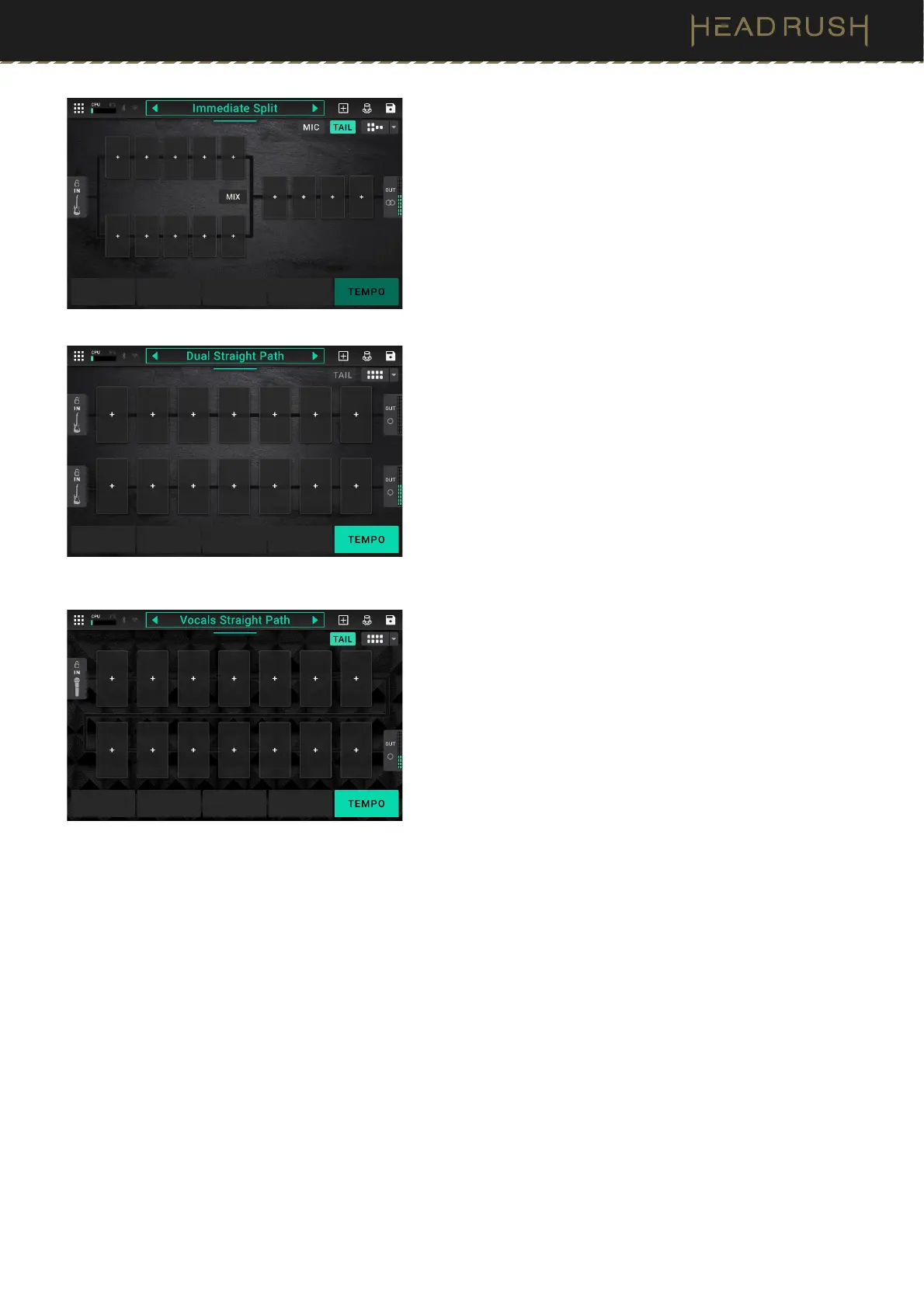
Guitar: Immediate Split
This signal path splits immediately from the source and rejoins
near the end. Like the second configuration, this one is useful
for using two types of effects (or chains of effects)
independently, but it allows for more models in the split paths
and the rejoined one.
See (4.4.2) Adjusting Settings > Parameters > Mix to learn
how to mix the split paths together.
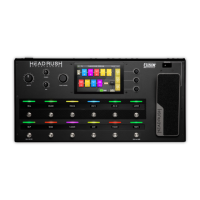
Guitar: Dual Straight Path
This straight signal path is the most common for users that
would like to connect two guitars simultaneously while
maintaining separate singal paths for each guitar. This can be
useful for making easy switches between electric and acoustic
guitars on stage or playing along with a friend. When using this
signal path type, the upper path uses the Combo XLR+1/4”
microphone input, and the bottom path uses the 1/4” guitar
input.
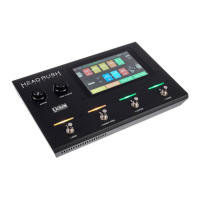
Vocals: Straight Path
This straight signal path is the most common for users that are
creating non-complex vocal tones.


 To Next Page