NT–2000 REF Manual
Basic Operating Procedure
3-5
3. Basic Operating Procedure –
5/7
3.8. Protecting Messages for Permanent Storage
3.8.1. Introduction
Initially, all stored NAVTEX messages will be automatically erased one by one from
memory on a first–in–first–out basis as the equipment continues receiving new
messages after the message storage capacity limit (200 messages) is reached. If you
wish to protect a specific message for permanent retention in memory, proceed via the
steps given below. Up to 50 messages can be protected, and are saved in a separate
area of the non–volatile memory, allowing an additional 50 new messages to be stored.
3.8.2. Protecting Procedure
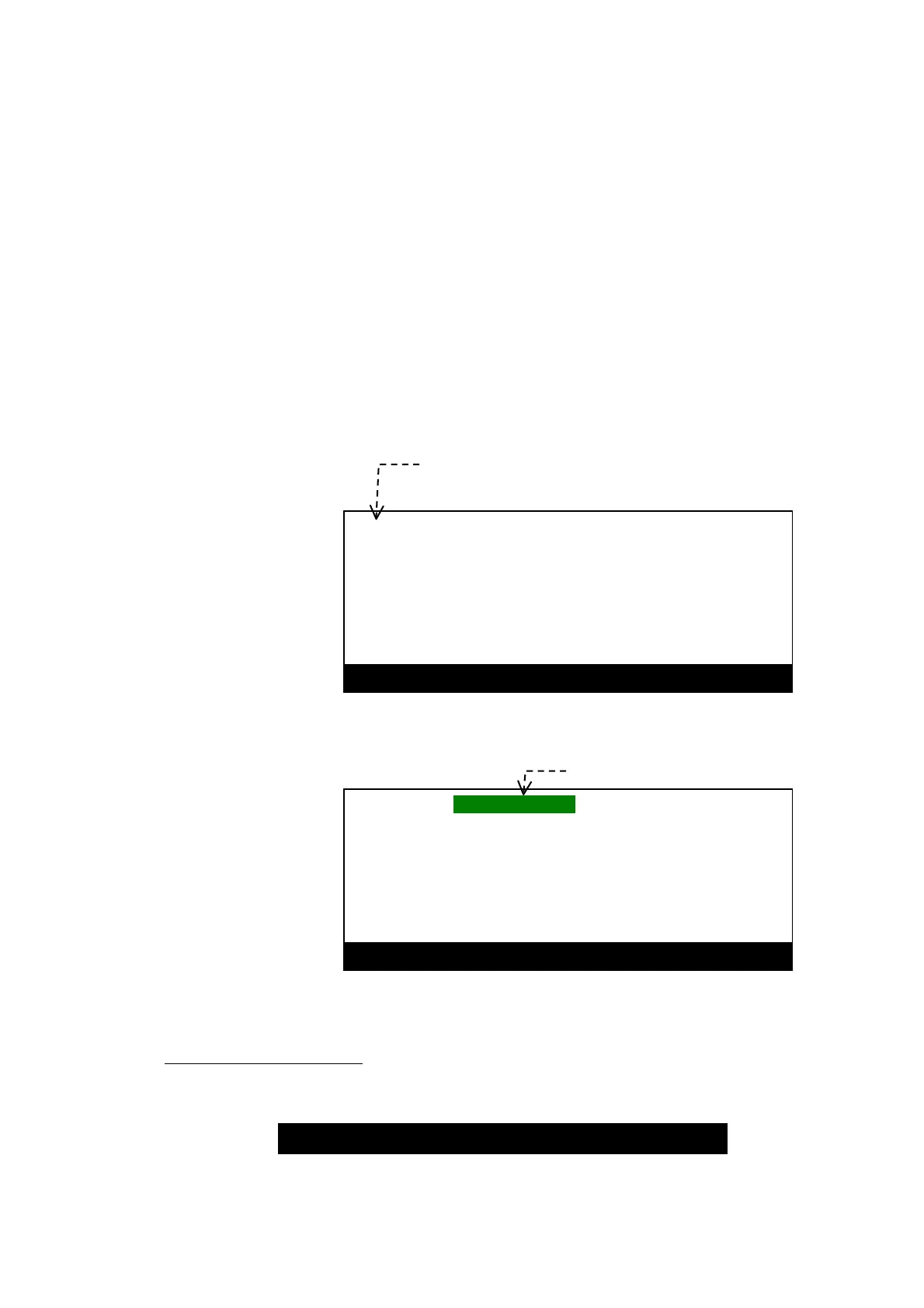
Figure 3-10 Protecting a Specific Message from Automatic Erasure – Step 1
(1) Using
/
and/or
/
, display
the message you wish
to save. If two or
more messages are
currently shown, the
ID of that message
should be brought to
the top message line,
as in the example at
right.
Figure 3-11 Protecting a Specific Message from Automatic Erasure – Step 2
(2) Press
. This will
attach a message
protection tag
(PROTECTED tag) to
the message ID as
illustrated at right,
indicating that the
message is now
protected against
automatic erasure.
NOTE: If the message you wish to protect is a new message, the
NEW MESSAGE
tag
will be replaced with the
PROTECTED
tag
.
Storage Limit Indication
Attempting to protect messages in excess 50 will cause the following error message
to be turned on blinking in the message prompt line for a few seconds.
Message protection
tag
KB67 IIPROTECTEDii
211740 UTC JUN 05
DENSE FOG EXPECTED IN AREAS BOUNDED BY ・・・
・・・・・・・・・・・・・・・・・・・・・・・・・・・・・・・・・・・・・・・・・・・・・・・・・・
・・・・・・・・・・・・・・・・・・・・・・・・・・・・・・・・・・・・・・・・・・・・・・・・・・
NNNN
STORED (CER= 00%)
MORE UNREAD NEW MSG LEFT!
ID of message to be saved
To protect this message, press
.
KB67
211740 UTC JUN 05
DENSE FOG EXPECTED IN AREAS BOUNDED BY ・・・
・・・・・・・・・・・・・・・・・・・・・・・・・・・・・・・・・・・・・・・・・・・・・・・・・・
・・・・・・・・・・・・・・・・・・・・・・・・・・・・・・・・・・・・・・・・・・・・・・・・・・
NNNN
STORED (CER= 00%)
MORE UNREAD NEW MSG LEFT!
STORAGE LIMIT IS REACHED !



 To Next Page