PULSAR
2
ESP
Installation and Operating Manual
OPTIKON 2000
Cod. 111007EN Rev.E
9-1
9 CLEANING, STERILIZATION AND MAINTAINANCE
The medical personnel must take the responsibility to keep existing instruments
and equipment functioning properly. The following simple steps serve as practical
guidelines in establishing your care and maintenance program.
9.1 CLEANING
9.1.1 UNIT
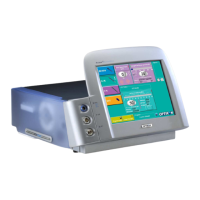
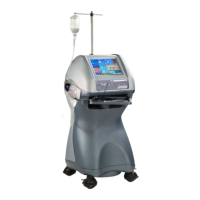
1) Periodically clean the touch screen LCD with soft dusting cloth dampened with
distilled water. If necessary use only neutral detergent.
2) Do not use alcohol, solvents, or abrasives on the control console.
9.1.2 ACCESSORIES
The most common cause of rust and corrosion are cleaning or drying instruments
incompletely after use; chemicals or sterilizing solutions; cleaning with tap water;
excess residue from laundry detergent in operating room linens; detergents of
improper PH levels (optimum PH is 7); and an autoclave which is not working
properly. However, the major cause of corrosion is residual blood and saline.
1) Immerse and thoroughly rinse all parts of the reusable microsurgical
instruments immediately after surgery, as specified in the relevant instructions
for use.
2) Infuse fluidic lines, irrigation and aspiration lines on all handpieces with
copious amount of warm distilled water and flush/dry with compressed air.
AVOID EXCESSIVE PRESSURE.
9.2 STERILIZATION
9.2.1 UNIT
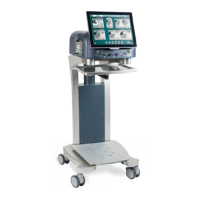
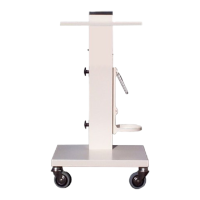
1) The console, the footswitch and the cart with electric pole do not need to be
sterilized. For cleaning please refer to the indications given in the relevant
instructions for use.


 To Next Page