6-30 Settings Date Code 20010518
SEL-2020 Instruction Manual
CMD1 bit within a SELOGIC Control Equation to trigger a message or a control action in
response. See Example 4 in Section 4: Job Done Examples for an application example.
Similarly, on a Master port, you could define “XYZ” to be a user-defined command
(CMD1=“XYZ”). When the SEL-2020 receives “XYZ” on the Master port, it will pulse the
CMD1 bit as shown in Figure 6.4, which you may use to trigger a response. See Examples 3
and 7 in Section 4: Job Done Examples for some application examples. See Section 8:
Message Strings for definitions of valid message strings.
Port n
Database
SET
Trigger
Message
CMD1 BIT
Input
“
XYZ
”
ISSUEx=CMD1
or
OUTX=CMD1
EIA-232
Port n
2020lj21
Input Handler
User-Defined
Command
CMD1=“XYZ”
SEL
OGIC
Control
Equation
Processor
Detects
Assertion
of CMD1 Bit
Any Database
Bit(s)
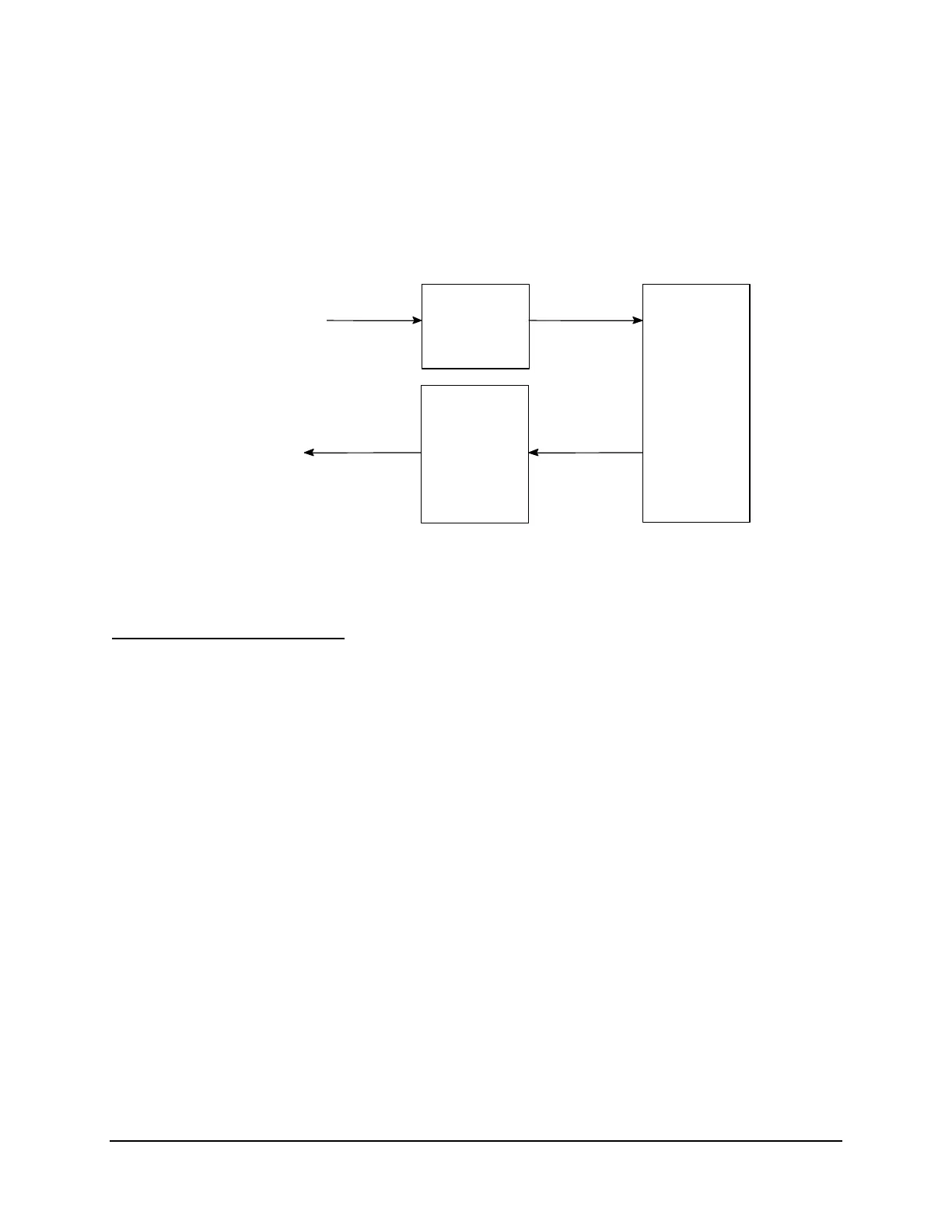
Figure 6.4: SET U Example CMD1 Message Detection
Special-Purpose Commands
There are three commands whose syntax and response messages you may define using the
settings READ, WRITE, and TRANS (transparent connect). These commands read data items,
write data items, and enter transparent communications. These commands are similar to the
VIEW, STORE, and PORT commands available in the SEL-2020 Command Set. The READ,
WRITE, and TRANS special purpose commands may be useful with master devices that you can
program to automatically communicate with the SEL-2020.
To build these commands, you must specify the position and format of the port number, address,
and data, as applicable, within the message. You then specify how the SEL-2020 should respond
to each of these commands for both successful and unsuccessful operations.


 To Next Page