Date Code 20010518 Database 9-17
SEL-2020 Instruction Manual
The remainder of the region acts as a circular character buffer beginning at address 1002h. Each
register in the circular buffer contains one character. When the end of the buffer is reached, it
wraps around to the beginning of the circular buffer (address 1002h) and continues. If the buffer
gets full (end index catches up to start index), the oldest data will be overwritten.
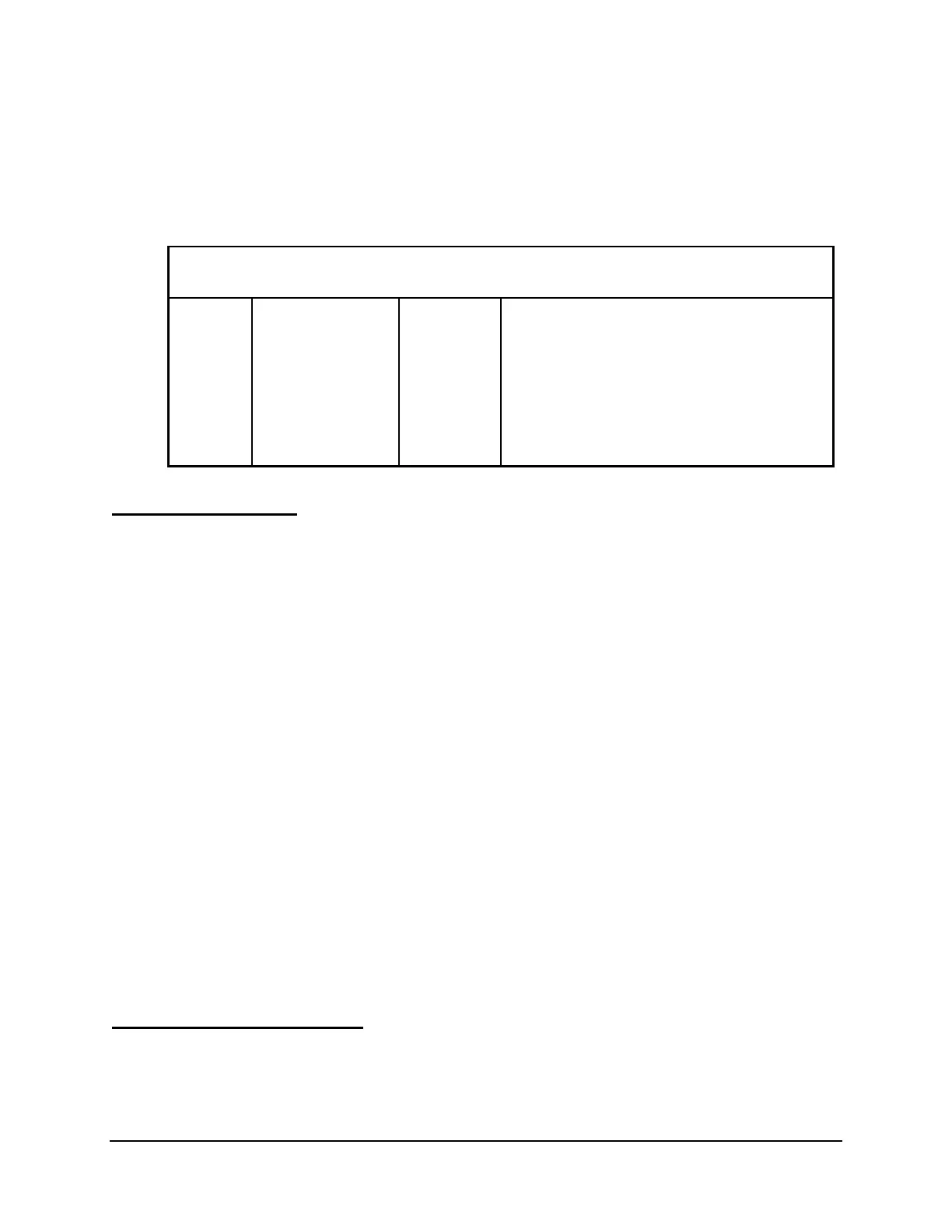
Table 9.8: BUF (Unsolicited Message Queue) Organization
Starting
Address
Data Item Label
Data Type
Notes
1000h START_OFFSET int Offset from 1002h to first active character in
buffer (0-4093).
1001h END_OFFSET int Offset from 1002h to next available character
location in buffer (0-4093); read-only.
1002h BUFFER char[4094] Circular buffer of characters; Start and End
indices indicate where nonerased information
exists; read-only.
Data Regions (D1 - D8)
The Data regions hold data collected by the SEL-2020. The first four registers of each Data
region hold the date and time the data were collected. The remainder of the Data region is for
the collected data. Using the SET A command, you specify a parsing method for data. There are
parsing methods defined specific to SEL relays for the following types of data:
• Demand meter • Elements
• Meter • Breaker
• History • Event
• Status
The following parsing options are valid for any IED data:
• Extract and store integers.
• Extract and store floating points.
• Store response as character string.
• Store response as integer string.
• Store response as integer string while decoding XON/XOFF encodings.
• Ignore response.
The format of the data stored in a Data region depends on the parsing method and the type of
device connected. Once you have set a Data region to collect a specific type of data, use the
MAP command to determine how the data are organized and formatted. Refer to Section 6:
Settings, under SET A for more detailed information about parsing options.
Archive Data Regions (A1 - A3)
These regions are very similar to the data regions. However, in these regions, the data are stored
in nonvolatile Flash memory. Each region acts as a queue, buffering multiple responses. Each
record can be as large as the region. The only limit on the number of records you can store in an


 To Next Page