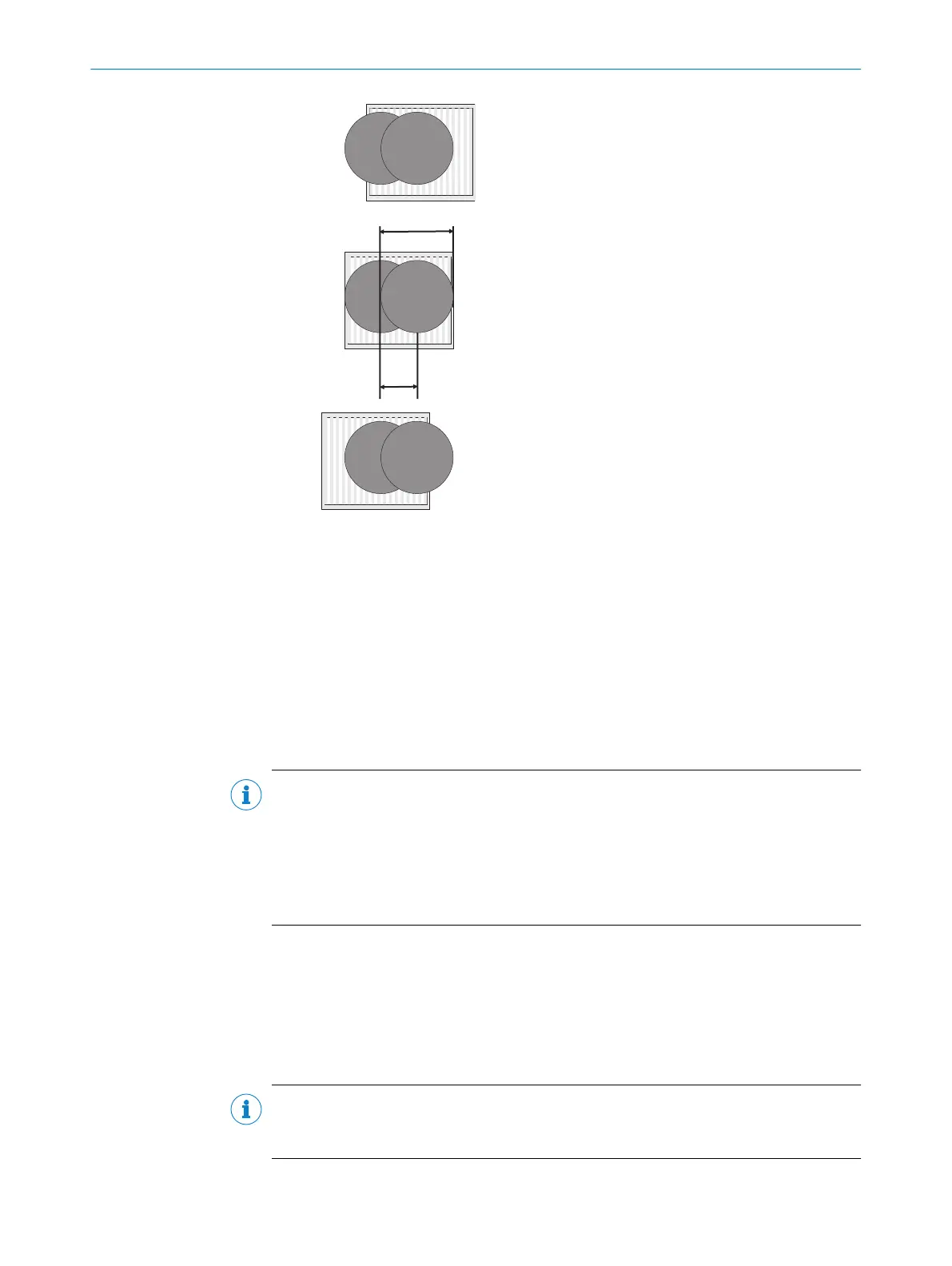
Figure 11: Minimum object size for detection
1
Beam diameter
2
Measuring point distance
In the example in figure 11, the object is fully hit at least once during each scan. It is
therefore reliably detected if it has the necessary remission.
How to calculate the minimum object size:
Beam diameter + measuring point distance = minimum object size
•
Beam diameter and measuring point distance as a function of the distance to the
device can be seen in the diagram in see figure 9, page 15.
NOTE
For reliable measurement, in particular when using the device to output measured
values, the laser needs to hit the object several times. Therefore, the object either
needs to be larger than the minimum object size, or both the device and the object
must not be moving.
When using the field application, an object usually has to be hit several times in a row
to be recognized as interrupting the field.
3.4.7 Maximum and average pulse rate
The scanner head of the device rotates at a selectable frequency of 5 to 12Hz. A
laser pulse and thus a distance measurement is triggered continuously after an angle
increment of for example 0.25° (configurable). The faster the scanner head rotates,
the faster the output of measured values, and the finer the angular resolution is
configured, the more accurate the contour determination.
NOTE
In this case the selected interface of the device and the downstream host must be able
to transmit or process that amount of data.
PRODUCT DESCRIPTION 3
8016506/1G07/2020-11-08 | SICK O P E R A T I N G I N S T R U C T I O N S | LD-LRS
17
Subject to change without notice


 To Next Page