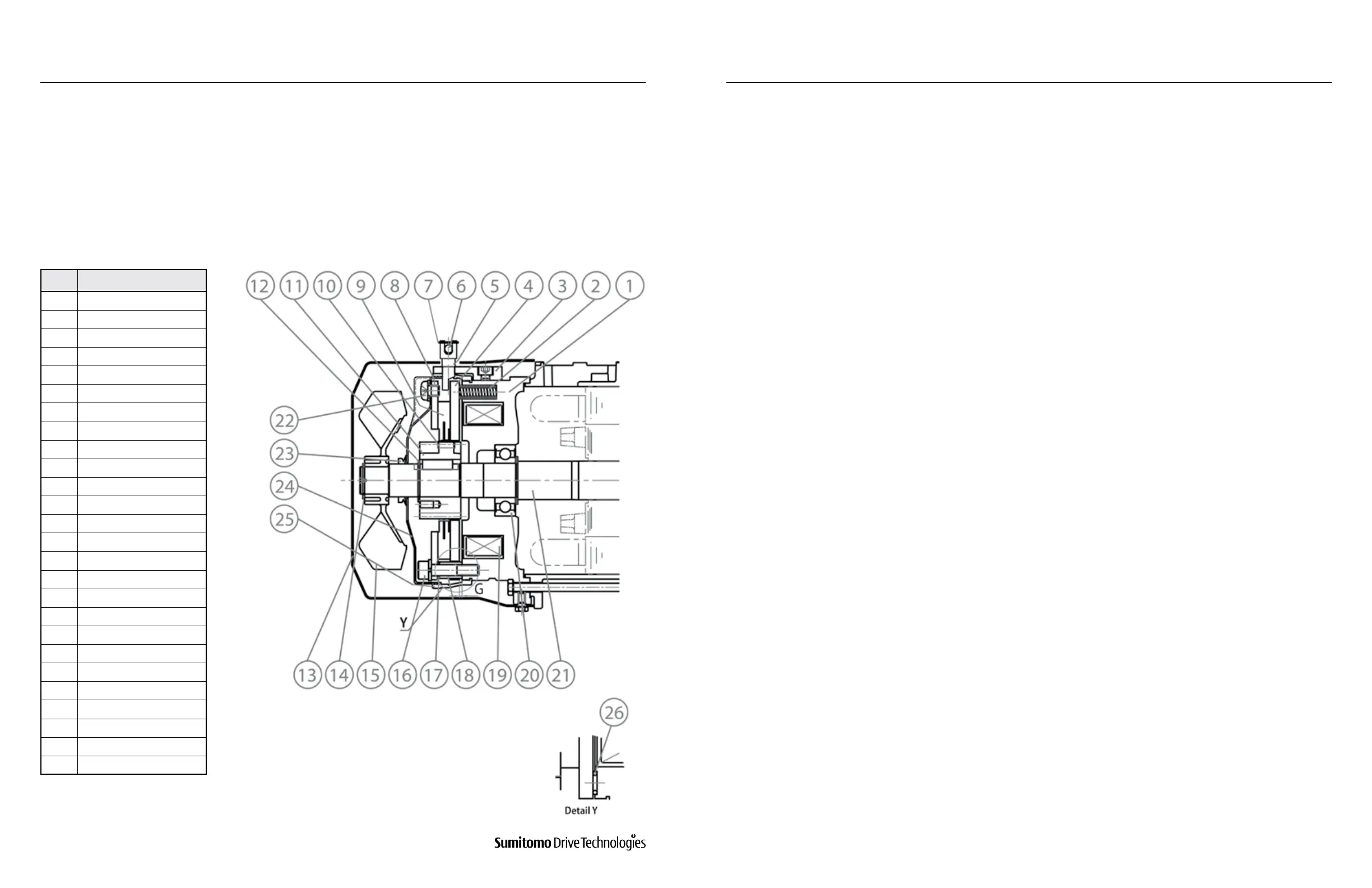
Figure 8-10: FB-1D, FB-2D, FB-1E, FB-1HE, FB-2E, and FB-3E Models (E-Series Shown)
* These parts are included in a complete brake kit.
Figure 8-10 illustrates the construction of the brake. The restraining bolt (16) fastens the brake shoe (8), gap
adjusting shims (17) and spacer (18) onto the stationary core (1). The armature plate (4) is kept from rotation by
the restraining bolt (16) but moves axially by electromagnetic attraction and the tension of the pressure spring (2).
The brake lining (9) is tted to the hub (11) which is secured to the motor shaft with a key. The solenoid coil (19) is
energized via a rectier provided within the terminal box.
No. Part Name
1 Stationary Core*
2 Pressure Spring*
3 Brake Release Support
4 Armature*
5 Shifting Pin
6 Brake Release Lever
7 Retaining Clip
8 Brake Shoe*
9 Brake Lining*
10 Leaf Spring*
11 Hub*
12 C-type Retaining Ring
13 Cover
14 Retaining Ring
15 Fan
16 Restraining Bolt*
17 Gap Adjusting Shims*
18 Spacer*
19 Solenoid Coil*
20 Fan Side Bearing
21 Motor Shaft
22 Attachment Screw
23 V-Ring
24 Waterproof Cover
25 Waterproof Seal
26 Shock Absorber*
2. Construction and Operating Principles
a) Construction
The brake is a (fail safe type) spring actuated type brake, which will release the brake mechanism when the solenoid
coil is energized and which will engage when the coil is de-energized.
When power is applied to the unit, the solenoid coil and the electric motor will energize, and the energized coil
attracts the armature plate (4) against the tension of the pressure spring (2). As a result, the brake lining (9) will
disengages, and the motor begins to run.
When the power is disconnected, the solenoid coil and the electric motor are not energized. This causes the pressure
spring (2) to actuate the armature plate (4) which in turn presses the brake lining (9) against the brake shoe (8) and
brings the motor to a quick stop.
b) Operating Principles
a) At regular intervals, check that:
b) Manual Brake Release Procedure
•
the unit is operating normally.
•
the brake lining is not excessively worn (or gap G is normal).
•
all the mounting screws are securely tightened.
FB-1D, FB-2D, FB-1E, FB-1HE, FB-2E and FB-3E brakemotors are equipped with a one touch release mechanism. To
manually release the brake with power to the unit turned o, pull the brake release lever up and out from its holder
and push it forward towards the reducer. Releasing the lever will re-engage the brake.
3. Inspection
4. Gap Inspection
a. Remove shifting pin (5) and brake release lever (6).
b. Remove cover (13).
c. Remove fan (15) by removing retaining ring (14).
d. Remove waterproof seal (25).
e. Insert a gap gage into the space between stationary core (1) and armature plate (4). Measure the gap size at
three appropriate circumferential points.
f. Check for brake performance by turning system power on and o a few times.
g. The gap needs to be adjusted if the values are close to the allowable limit listed in Table 8-23.
The brake lining will wear after the unit has been used for a long period of time. Regularly check that gap G (Figure
8-10) is at an acceptable value. If the gap G become too large, the solenoid coil may fail to pull in the armature plate
and hence cannot release the brake, resulting in the unit remaining in a continuously braked condition. Follow these
steps to inspect the brake gap:
www.SumitomoDrive.com
Cyclo® 6000 Operating and Maintenance Manual
Cyclo® 6000 Cyclo® 6000
Cyclo® 6000 Operating and Maintenance Manual
58 59
8. DAILY INSPECTION AND MAINTENANCE 8. DAILY INSPECTION AND MAINTENANCE



 To Next Page