Metal Active Gas (MAG) Brazing
Applications
• Is the recommended method for attaching steel that is greater than 600 MPa when accessibility to perform
STRSW or weld bonding is not possible.
• It has a reduced heat affected zone as compared to GMAW.
• The lower heat involved will not affect the strength properties of the metal being welded
Flux Core Arc Welding (FCAW)
Applications
• • Thicker gauge coated steels where the thickness of the metal is between 1.02 mm and 4 mm and tensile
strength is below 600 MPa, such as truck frames.
• This type of welding is recommended for galvanized or zinc coated steels, due to porosity issues caused when
welding with GMAW.
• AWS specification E71T-GS wire is recommended.
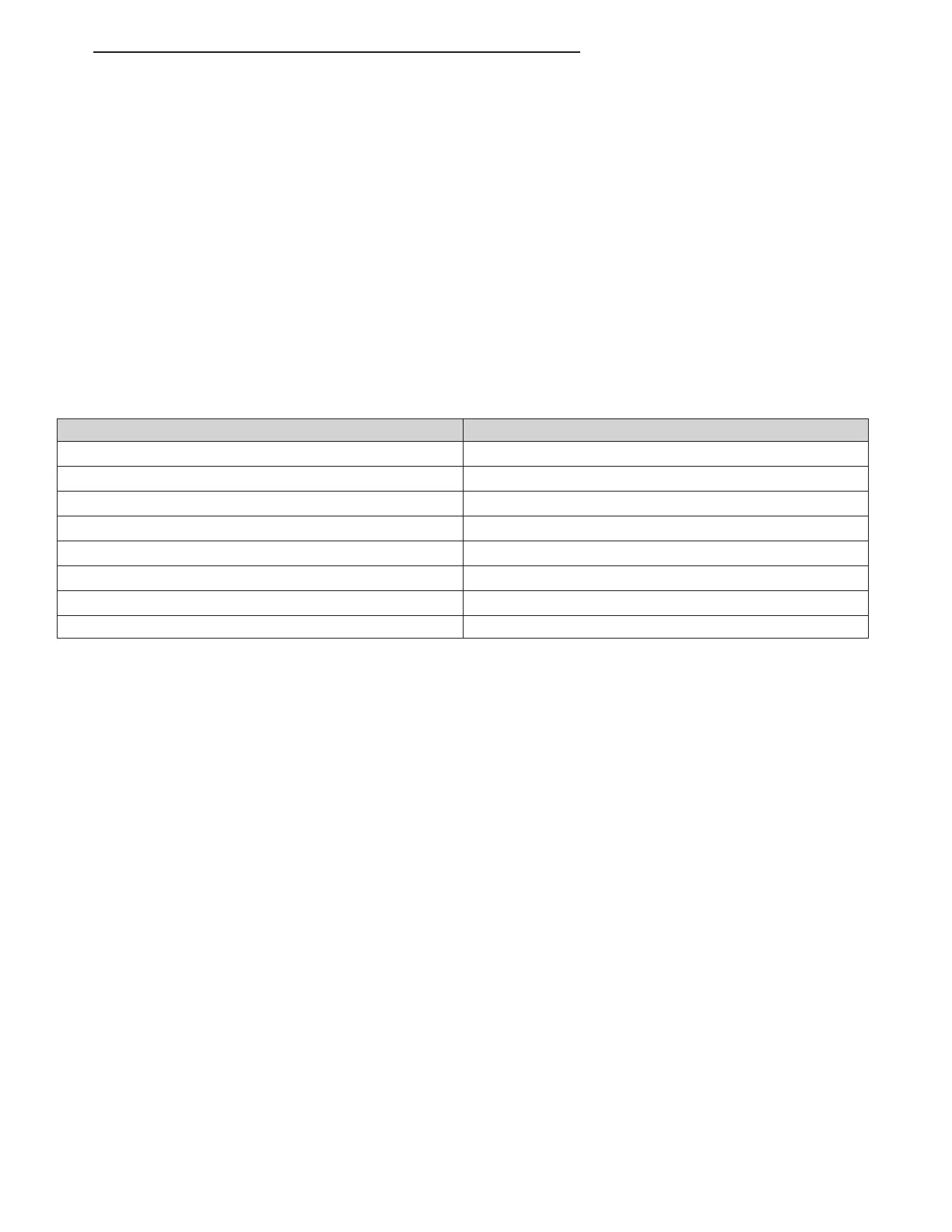
Minimum Weld Nugget Requirement Chart
*Governing Metal Thickness (GMT) **Minimum Weld Nugget Diameter
0.64 mm. - 0.79 mm. 3.5 mm.
0.8 mm. - 0.99 mm. 4.0 mm.
1.0 mm. - 1.29 mm. 4.5 mm.
1.3 mm. - 1.59 mm. 5.0 mm.
1.6 mm. - 1.89 mm. 5.5 mm.
1.9 mm. - 2.29 mm. 6.0 mm.
2.3 mm. - 2.69 mm. 6.5 mm.
2.7 mm. - 3.04 mm. 7.0 mm.
*Governing Metal Thickness (GMT) = The minimum weld nugget for two thickness welds shall be based on the
thinner of the two sheets being welded. The minimum weld nugget diameter for three thickness welds shall be
based on the middle gauge of the three panels being welded (not necessarily the middle panel).
**Minimum nugget diameter should be measured with a venire caliper. If the weld is not round, measure the major
and minor diameter and average.
Equipment Limitations
• Each brand/model is limited to material capacity that can be welded.
• The facility power supply will impact equipment performance.
Access Limitations
• Due to the existing structure of the vehicle being repaired, each weld must be evaluated for feasibility. Due to
power limitations of the equipment, tongs that are long and deep enough for certain welds may not be
available, and the weld will need to be made by another method.
CAUTION: All NVH foam must be removed from the repair area of the vehicle, as material is flammable.
Preparation
• Prior to making repairs with STRSW, weld coupons must be created for testing. The test joint must be an
exact duplicate of the original joint, including layering and adhesive application. The testing is required to
ensure the repair restores the vehicle to its originally produced condition using the minimum weld nugget
requirement chart.
• To correctly identify the material being welded or tested, the technician must posses an accurate material
thickness gauge.
• No "improvements" to the vehicle design are allowed as this could have a negative impact on the vehicle as a
whole. The repair should mirror what was used on the vehicle at the assembly plant.
• Note, the weld is affected by more than just the thickness or number of panels being welded, but also material
coatings. Zinc based anti-corrosion coatings (i.e., galvannealing, galvanizing), sealers, adhesives, and E-coat
will affect welder performance.
• When preparing an E-coated panel for STRSW the E-coat must be removed from both of the mating flanges
within 25 mm. (1 in.) of any flange. Corrosion protection is required anytime you remove E-coat. A scuffing
RU 31 - Collision Information 31 - 33















 To Next Page