41
Eversense E3 CGM User Guide
5
Daily Use
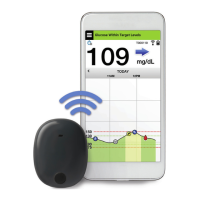
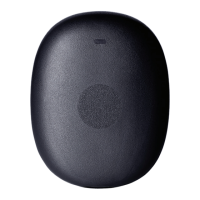
To receive continuous glucose readings and information, keep the following in mind when using your smart transmitter:
Wear your smart transmitter at all times except when charging.
The smart transmitter is water-resistant to a depth of 1 metre (3.2 feet) for 30 minutes. Exposing the smart
transmitter to conditions beyond this will result in damage and void your warranty.
Make sure your smart transmitter has enough battery power at all times.
Perform a blood glucose meter calibration test when prompted.
Pay attention to alerts and notifications you receive from your smart transmitter and mobile device.
Replace the adhesive patch on a daily basis.
You can remove the smart transmitter from the upper arm at any time, except during calibration. Remember that
no data is collected when the smart transmitter is not communicating with the sensor. When you place the smart
transmitter back on the sensor site, it can take up to 10 minutes for sensor communication to re-start and for glucose
readings to appear in the app.
When the smart transmitter and mobile device are not within range of each other, any data gathered by the smart
transmitter is stored and sent to the app when the mobile device and smart transmitter are back within range.
It is safe for you to wear your sensor and smart transmitter when you go through metal detectors at airports? While
flying, the smart transmitter performs similarly to any other Bluetooth device. Be sure to follow the specific safety
guidelines mandated by the airline.
Until the smart transmitter has received the first glucose value after positioning over the sensor, the status bar on
the mobile app will display Collecting Data. You may see this status bar just after charging the smart transmitter.
Warning: If your smart transmitter is damaged or cracked, DO NOT use, as this could create an electrical
safety hazard or malfunction, and could result in electrical shock.



 To Next Page