MAN B&W 2.01
Page 1 of 2
MAN Diesel
198 38 338.4MAN B&W MC/MCC, ME/MEGI/ME-B engines
Engine Layout and Load Diagrams
Introduction
The effective power ‘P’ of a diesel engine is pro-
portional to the mean effective pressure p
e
and
engine speed ‘n’, i.e. when using ‘c’ as a constant:
P = c x p
e
x n
so, for constant mep, the power is proportional to
the speed:
P = c x n
1
(for constant mep)
When running with a Fixed Pitch Propeller (FPP),
the power may be expressed according to the
propeller law as:
P = c x n
3
(propeller law)
Thus, for the above examples, the power P may
be expressed as a power function of the speed ‘n’
to the power of ‘i’, i.e.:
P = c x n
i
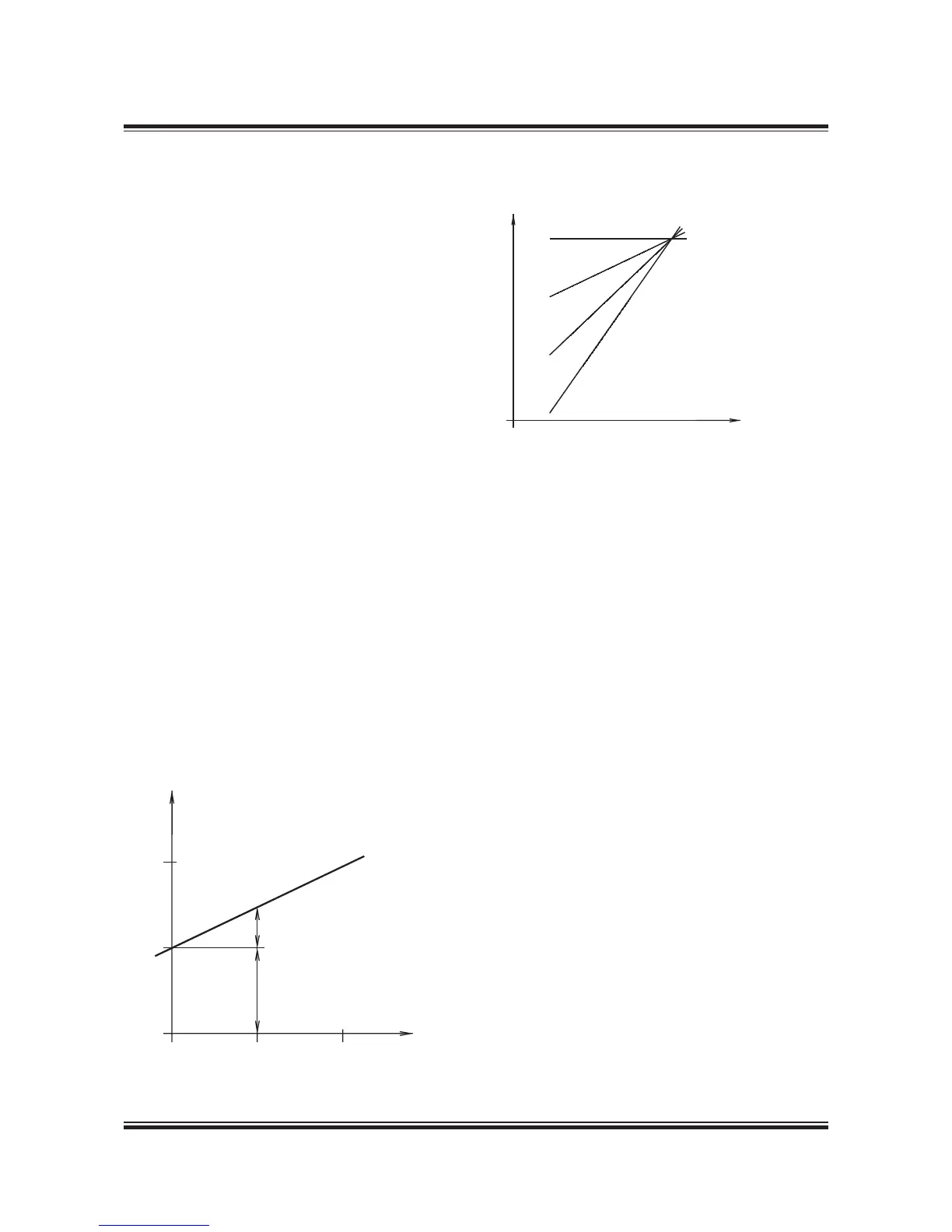
Fig. 2.01.01 shows the relationship for the linear
functions, y = ax + b, using linear scales.
The power functions P = c x n
i
will be linear func-
tions when using logarithmic scales:
log (P) = i x log (n) + log (c)
Fig. 2.01.01: Straight lines in linear scales
Fig. 2.01.02: Power function curves in logarithmic scales
Thus, propeller curves will be parallel to lines hav-
ing the inclination i = 3, and lines with constant
mep will be parallel to lines with the inclination i = 1.
Therefore, in the Layout Diagrams and Load Dia-
grams for diesel engines, logarithmic scales are
used, giving simple diagrams with straight lines.
Propulsion and Engine Running Points
Propeller curve
The relation between power and propeller speed
for a fixed pitch propeller is as mentioned above
described by means of the propeller law, i.e. the
third power curve:
P = c x n
3
, in which:
P = engine power for propulsion
n = propeller speed
c = constant
Propeller design point
Normally, estimates of the necessary propeller
power and speed are based on theoretical cal-
culations for loaded ship, and often experimental
tank tests, both assuming optimum operating
conditions, i.e. a clean hull and good weather. The
combination of speed and power obtained may
be called the ship’s propeller design point (PD),
178 05 403.0
178 05 403.1


 To Next Page
 Loading...