Signaling, Tones, and Transmission
Signaling and Supervisory Tones
The standard range of programmed tones are composed of
• 12 DTMF sets of tones
• 1 set of tones that form part of the call progress tone plan
• 1 test of 1004 Hz (digital milliwatt).
Time-Out Information
The system is capable of responding to or providing the following supervisory conditions:
• Switchhook flashes having a duration of between 160 ms and 1500 ms (as programmed)
to activate Transfer/Consultation/Hold/Add-On features.
• Call transfer dial tone can be obtained by generating a calibrated flash. This method is
recognized internationally and is generated in one of three ways:
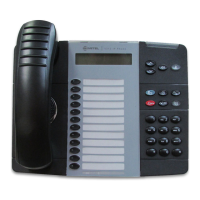
- - use a flash-hook for telephones connected to ONS circuits
- - use the calibrated flash button (for equipped telephones)
- - dial the digit ‘1’ on an ordinary rotary telephone.
• Station switchhook flashes of less than the maximum programmed switchhook flash time
will not be repeated towards the central office.
• An open Tip lead condition of 500 ms (optional 100 ms) or longer duration on a CO trunk
will release the system connection.
• Momentary open loop conditions of up to 350 ms (optional 100 ms) generated by the central
office on outgoing system calls will not release calls.
• Station on-hook conditions will release a trunk connection after the selected maximum time.
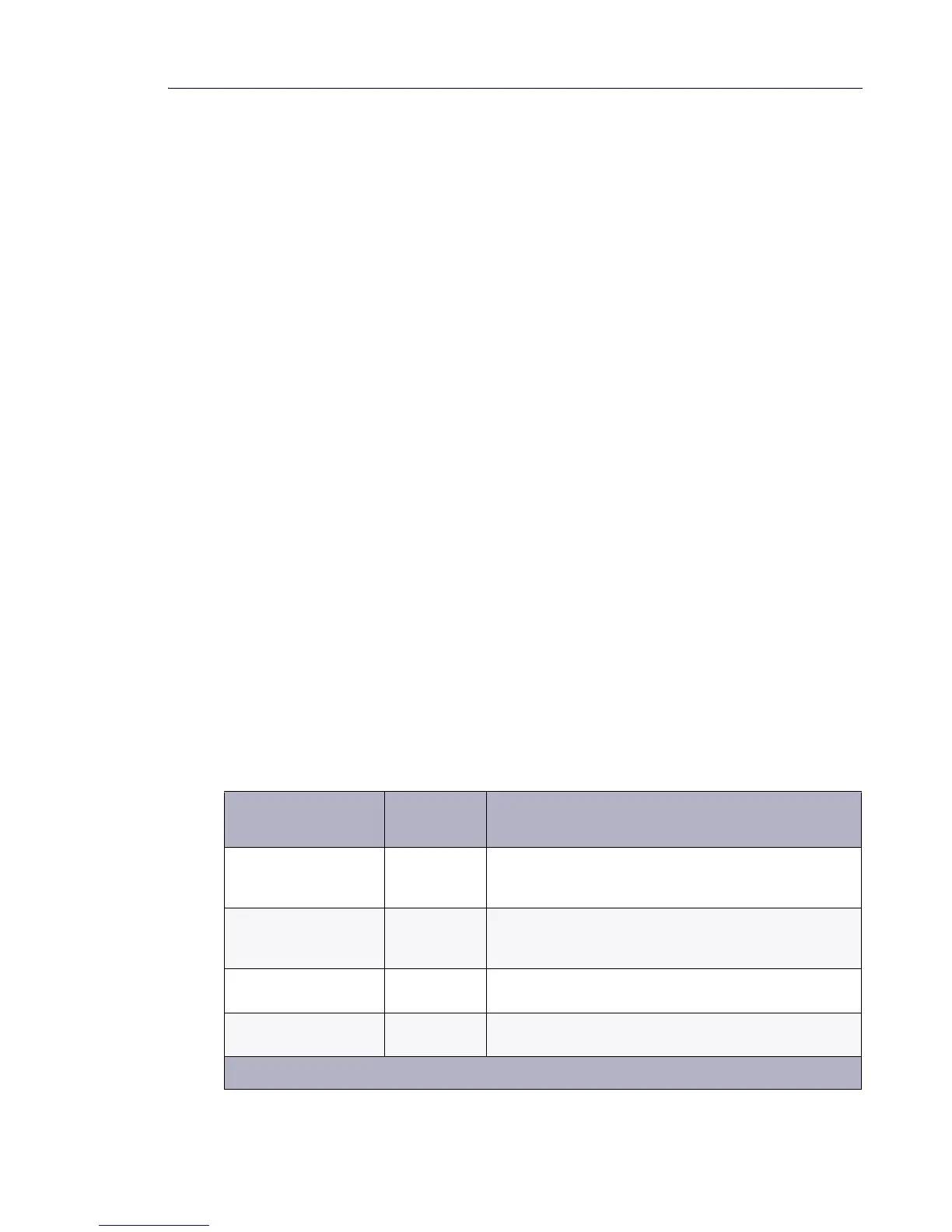
Table 81: Time-Out Information
Feature
Time-Out
Period
Description
No Answer Recall Timer 0 - 125 s If there is no answer at the extension after the time-out
expires, it will ring back at the attendant console or transfer
station.
Camp-On Recall Timer 0 - 180 s Incoming calls camp-on to a busy station before being
returned to the attendant, if not answered before time-out
expires.
Call Hold Timer 10 - 600 s Calls placed on hold ring back to the station user upon
expiry.
Attendant Busyout
Timer
1 - 1440 min System switches to night service if there is no activity at the
attendant console after calls are received.
Page 1 of 2





 To Next Page