System
29
ISDN (Integrated Services Digital Network)
ISDN support
The Integrated Services Digital Network (ISDN) transmits voice, data, and video at high speeds.
ISDN services can be deployed and accessed at enterprise, department, and desktop levels
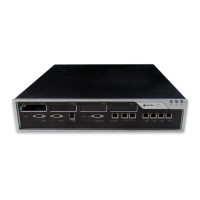
by connecting the following components to the 3300 ICP Controller:
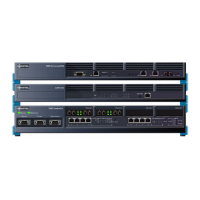
• Universal NSU with PRI
• BRI NSU
• E1/T1 Module
LAN traffic can also be carried over existing private or public digital network connections on
Euro ISDN, DASS II (public access) protocols, or even on a private MSDN/DPNSS network
using ISDN connections to a router.
ISDN connectivity
ISDN access lets customers leverage the advantages of ISDN network services for both voice
and data applications, effectively improving performance and network resource management
while controlling costs.
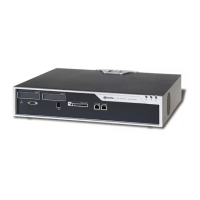
The 3300 ICP supports multiple ISDN protocols and provides ISDN connectivity. The system
connects with the ISDN public network and data devices (such as routers, video conferencing
equipment, and servers) by using Primary Rate Interface (PRI) or Basic Rate Interface (BRI).
ISDN takes advantage of the following features to control costs, analyze peak periods, and fine
tune network resources accordingly for both voice and data calls:
• ARS/LCR (Automatic Route Selection / Least Cost Routing)
• SMDR (Station Message Detail Recording)
• Min/Max Traffic Control
• Per Call Service Selection
• Limited Toll Restriction
• Trunk Diagnostics
• NFAS (Non-Facility Associated Signaling)
• Remote LAN Access.
ISDN Primary Rate Interface
ISDN Primary Rate Interface (PRI) has become the most cost-effective enterprise solution for
IT managers responding to increased demands for remote LAN access, Internet and intranet
access, off-site desktop and group video conferences, and a host of other inbound and outbound
data applications.
By using ISDN PRI, you can access all inbound and outbound services that are usually obtained
by using different trunk types (such as INWATS, OUTWATS, FX, Tie, and DID) with a single
ISDN trunk; as a result, you can reduce the number of trunks by 10 to 15 percent. On outbound
calls, the system requests the required service from the Network and the trunk takes on the
requested characteristics for the duration of the call.







 To Next Page