My Conclusions
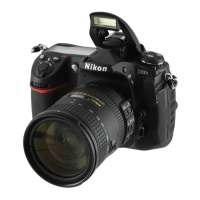
The Nikon D300(S) has a Multi Selector that can be pressed
right or left to scroll through the images you have already
taken. You can also press the Multi Selector up or down to
scroll through the various informational modes, such as the
histogram screen. When you take a picture of an important
subject, find the histogram view of your image. If you can’t
find the screen with multiple histograms, as shown in
Figure 9-13, see the Playback Menu > Display mode and
select RGB histogram.
Your camera meter should be used to get the initial exposure
only. Then you can look at the histogram to see if the image’s
light range is contained within the limited range of the sensor.
If it is clipped off to the right or the left, you may want to add
or subtract light with your Exposure compensation button, or
use your Manual mode. Expose for the light range with your
histogram. Let your light meter get you close, then fine-tune
with the histogram.
There are also other Monitor viewing modes that you can use
along with the histogram graph, such as the Highlights
(blinky blinky) mode for blown-out highlights (see the
Playback Menu > Display mode and select Highlights). This
mode will cause your image to blink from light to dark in the
blown-out highlight areas. This is a rough representation of a
highlight-value clipped histogram, and it is quite useful for
quick shooting. Using your camera’s light meter, histogram,
and the highlight burnout blinky mode together is a very
powerful method to control your exposures.
672



 To Next Page