i06162603
Oil Contains Fuel
Measuring Fuel Dilution
Diesel fuel is chemically similar to the lubricants that
are used in diesel engines. A slow fuel leak will blend
the fuel into the oil. Normal operating temperatures
may cause volatile parts of the fuel to vaporize. The
fuel that remains in the oil is less volatile.
A closed cup flash test can be performed in order to
detect fuel dilution. The flash test is designed to
measure the volatile parts of the fuel that are
remaining in the oil. Detecting less volatile fuel is
difficult. The lack of volatility reduces the accuracy of
the flash test.
Since the flash test does not accurately detect
fuel dilution, do not use the flash test as the only
measure of fuel dilution. Instead, verify the dilution
by the following methods:
• Gas chromatograph fuel dilution test
• Oil viscosity
The test that uses a gas chromatograph is designed
to measure fuel dilution in crankcase oils. The gas
chromatograph can identify the small chemical
differences between diesel fuel and lubricating oil.
Even though the gas chromatograph provides a more
accurate measure of fuel dilution, always verify the
results with the viscosity test.
A significant level of fuel dilution reduces oil viscosity.
If an unacceptable level of fuel dilution is suspected,
the kinematic viscosity of the oil must be measured.
Fuel dilution that is greater than 4 percent will usually
cause viscosity that is less than the specified
viscosity grade. If the oil is still within the specified
viscosity grade, fuel dilution is unlikely to have
reached an unacceptable level. Use the following
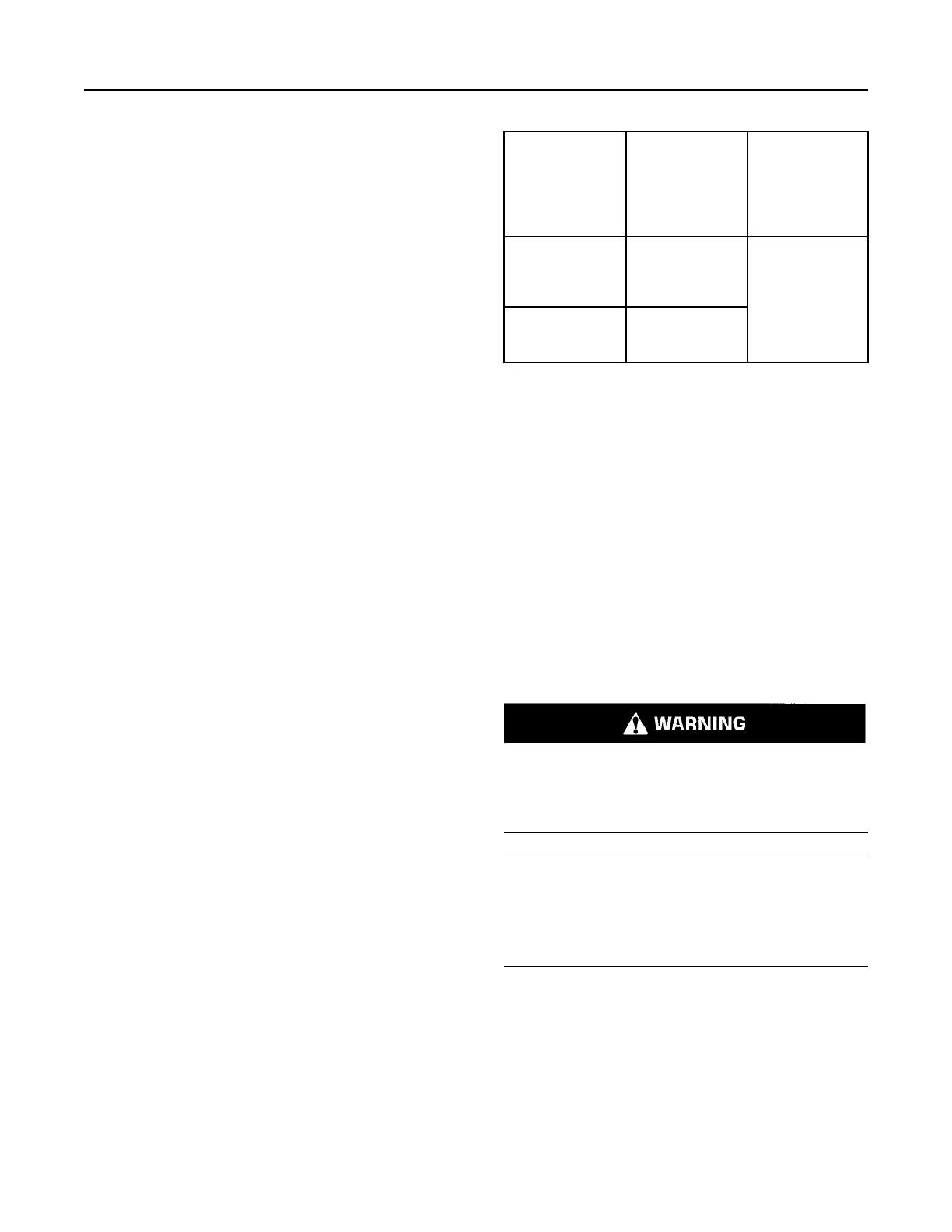
chart to determine if viscosity has reached the
minimum acceptable level. The guidelines of
viscosity in the chart are slightly less than the limits of
the SAE viscosity grades. However, these guidelines
still provide adequate engine protection.
Table 128
Viscosity Grade
Minimum Oil Vis-
cosity at 100 °C
with Fuel Dilution
Greater Than 4% as
Measured by a Gas
Chromatograph
Action
0W-40
5W-40
10W-40
15W-40
12.0 cSt
Investigate the
cause of fuel dilution
or reduce the engine
oil change interval.
0W-30
5W-30
10W-30
9.0 cSt
Verifying Fuel Dilution
Always verify fuel dilution by the combination of a
viscosity test and a gas chromatograph test that
gives a result in excess of 4 percent.
Probable Causes
• Fuel injector seals
• Fuel injector tip
• Shaft seal for the high-pressure fuel pump
Recommended Actions
Note: The procedures have been listed in order of
probability. Complete the procedures in order.
Contact with high pressure fuel may cause fluid
penetration and burn hazards. High pressure fuel
spray may cause a fire hazard. Failure to follow
these inspection, maintenance and service in-
structions may cause personal injury or death.
NOTICE
Contact with high-pressure fuel may cause personal
injury or death. Wait 10 minutes after the engine has
stopped to allow fuel pressure to purge before any
service or repair is performed on the engine fuel
lines.
240 UENR4469-36
Symptom Troubleshooting
Copyright of Perkins Engine Company Limited. NOT FOR REPRINTING OR RESALE





 To Next Page