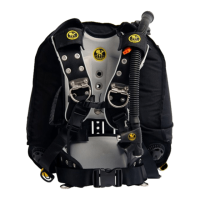
Poseidon SE7EN+ User Manual Chapter 1 Page 9
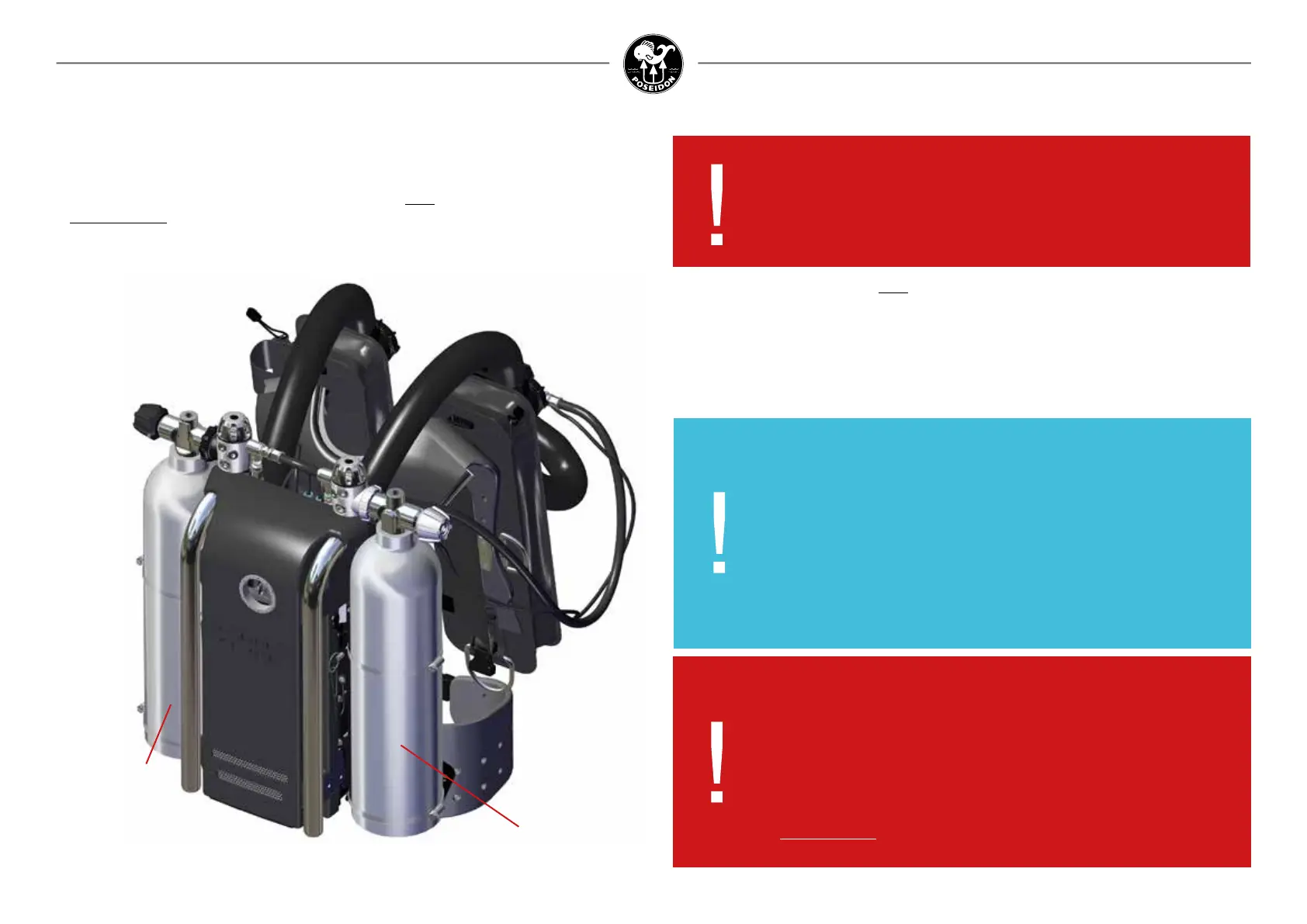
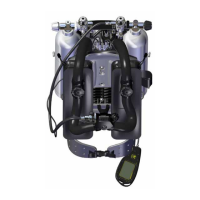
Figure 1-13. How the rig should appear when properly assembled.
Diluent cylinder
Cylinders and regulators
The Poseidon SE7EN (EU version only) is factory-issued with two 3-liter steel or aluminum
cylinderswith valves. The oxygen cylinder has a green valve knob and the diluent cylinder has
a black valve knob. Both cylinders are pressure-rated to aluminium 204 bar/3000 psi / steel
300bar/4350 psi. However, the specied maximum safe FILL pressure for the oxygen cylinder
is 135 bar / 2000 psi. The reason is twofold: rst, the risk of oxygen re increases sharply at
higher pressures; and second, using a greater supply of oxygen increases the risk that the CO
2
absorbent cartridge may not be sufcient to last for the entire dive on a single ll.
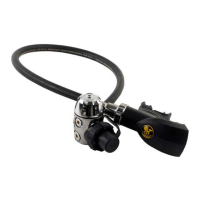
It is also extremely important to NOT replace either of regulators that are provided with the
Poseidon SE7EN+. The oxygen cylinder, valve, and regulator have been cleaned for oxygen
service at the rated cylinder pressure; using regulators or valves not so cleaned dramatically
increases the risk of oxygen re and/or explosion. More importantly, the provided regulators
have been adjusted with a lower interstage pressure for use with the oxygen and diluent
solenoid valves. Using different regulators with higher interstage pressures will cause the
solenoid valves to fail, and may lead to permanent damage.
DANGER:
Do not ll the oxygen cylinder to more than 135 bar (2000 psi).
Doing so may allow a diver to exceed the duration of the absorbent
cartridge, which could lead to dangerously elevated CO
2
levels in
the breathing mixture.
DANGER:
Only use the rst-stage regulators provided with the Poseidon
SE7EN+. Not only do the provided regulators have specic
features required by this application (e.g. integrated over-pressure
relief valves, oxygen regulator cleaned for oxygen service), but the
interstage pressure of these regulators is adjusted for use with the
solenoid valves. Use of different rst-stage regulators can lead to
solenoid failure (thereby disabling gas control), and can also lead
to PERMANENT damage to the solenoid valves.
Oxygen cylinder
IMPORTANT:
Closing a cylinder valve during a dive entails the risk of water
ingress into the rst stage regulator and from there into the
solenoid valves inside the e-module. This might damage the
solenoid valves and require their replacement at Poseidon
Head Quarters. Therefore closing the cylinder valves during a
dive is strongly discouraged unless necessary in an emergency
situation. During training of emergency procedures, lower the
setpoint to simulate a closed oxygen cylinder valve. You shall
never leave the valves closed after pre-dive test or while diving,
whatever the reason!


 To Next Page