52
6
USESTÛV 21
.1 WOOD SELECTION
It is essential to use dry wood that has a moisture content of less than 18%. This will
ensure more efficient and clean combustion.
Using wet or semi-dry wood with a moisture content higher than 18% will result in
mediocre and less efficient combustion. The fire will be smaller and difficult to start.
It will release a great deal of black smoke and pollution into the air and also sully
your glass pane and chimney pipe.
To choose dry wood, use a moisture meter or check if...
• The wood is lightweight and slightly split
• You hear a snap when banging one log against the other
• The bark comes off easily
• There are cracks from the centre to the edge
The harder a wood is, the more heat it will produce and the slower it will burn (at
equivalent moisture content).
Softwood can be used as kindling over hardwood. It burns more quickly (at
equivalent moisture content) despite its lower calorific value.
• Hardwood: oak, beech, elm, ash, acacia, hornbeam, maple
• Fruit tree wood: walnut, cherry, pear, apple, olive
• Softwood: poplar, birch, linden., locust, chestnut
• Resinous wood: maritime pine, spruce, Scots pine, fir, larch
Ash and beech are recommended as firewood as they dry quickly and are easy
to find. They must be stored under a shelter immediately after being cut and split,
otherwise they rot very quickly and lose their calorific value. They are easy to light
and produce very bright, lively flames.
Maple has a good calorific value. It produces fires and embers that last a long time.
Oak is an excellent fuel, but unlike other wood species, it has to remain uncovered for
two years to allow the rain to remove the tannins it contains. Then it has to be stored
under shelter for another year or two before it can be burned. Small oak branches
have a high sapwood content, which burns too quickly. Oak burns slowly, produces
a calm fire and beautiful embers. It is ideal for barbecuing and for moderate fires.
Hornbeam, cherry and fruit trees are excellent fuels, but are rare. These are
hardwoods. They produce beautiful, harmonious and calm flames, and beautiful
embers. Ideal for a barbecue or a calm fire.
Birch, linden, chestnut, poplar and black locust are broad-leaved trees with
soft wood. They produce beautiful, harmonious, but bright flames and few embers.
Because they burn quickly, they can be used to start (or restart) the fire. Caution:
Poplar produces abundant and volatile ash while black locust produces significant
sparks.
Resinous woods generate a lot of heat, but they burn quickly. They throw sparks
and the resins they contain cause build-up in the chimney.
Each type of wood has a different calorific value and all burn in different ways.
We strongly encourage the use of hardwoods such as hornbeam, maple, oak, ash,
elm and beech. They produce beautiful flames and plenty of embers that glow for
a long time.
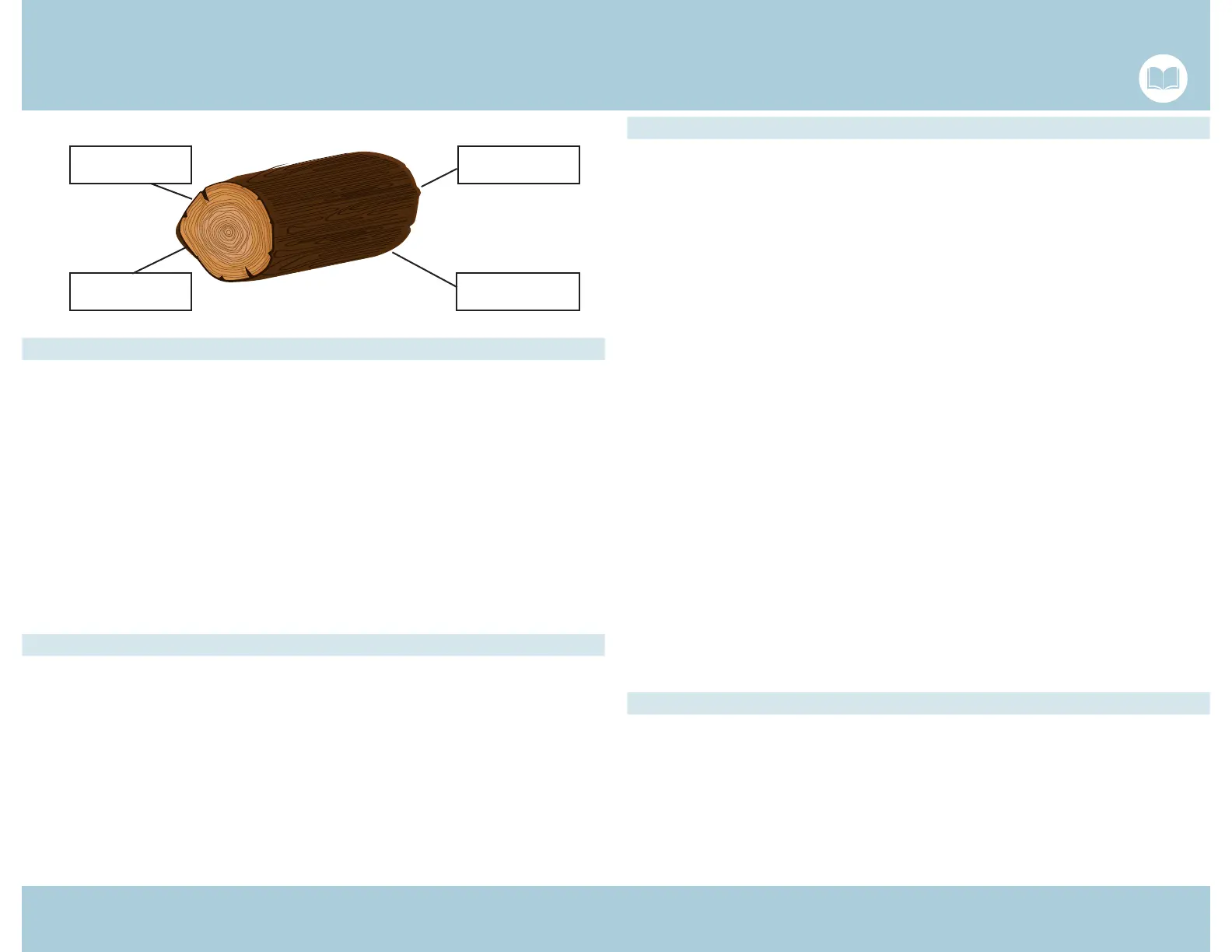
HUMIDITY LEVEL
WOOD TYPES
HARDWOOD OR SOFTWOOD
CALORIFIC VALUE
Humidity level
Wood types
Calorific value
Hardwood or
softwood




 To Next Page