6.14 CPCS—Cross-Polarization with Proton Chemical Shift Selection
01-999162-00 C0402 VNMR 6.1C User Guide: Solid-State NMR
102
Parameters
PASS1 makes use of the
UNITY
INOVA and UNITYplus parameters tpwr, tpwrm, dpwr,
cppwr, dipolr, crossp,dblvl2, pw and cntct. See page 85 for a description of
these parameters.
pwx is the observe 90
° pulse, in microseconds.
pass is set to 'y' for 2D PASS. Set pass='n' for normal cross polarization.
sw1 is not used and may be set arbitrarily (sw1=16 is recommended).
nt must be a multiple of 243.
a(n)[(m)] is a set of arrays containing the PASS delay values in units of 1/srate.
These are converted to absolute delays using the value of srate. For the current
experiment n=6 and m=16 to obtain a manifold of 16 sidebands. Other values can be
calculated numerically using reference 1. The user might place an import function in the
pulse sequence to enter these values automatically from a text file.
Reference
Antzukin, O. N.; Shekar, S. C.; Levitt, M. H. J. Magn. Reson. 1995, 115A, 7.
6.14 CPCS—Cross-Polarization with Proton Chemical Shift
Selection
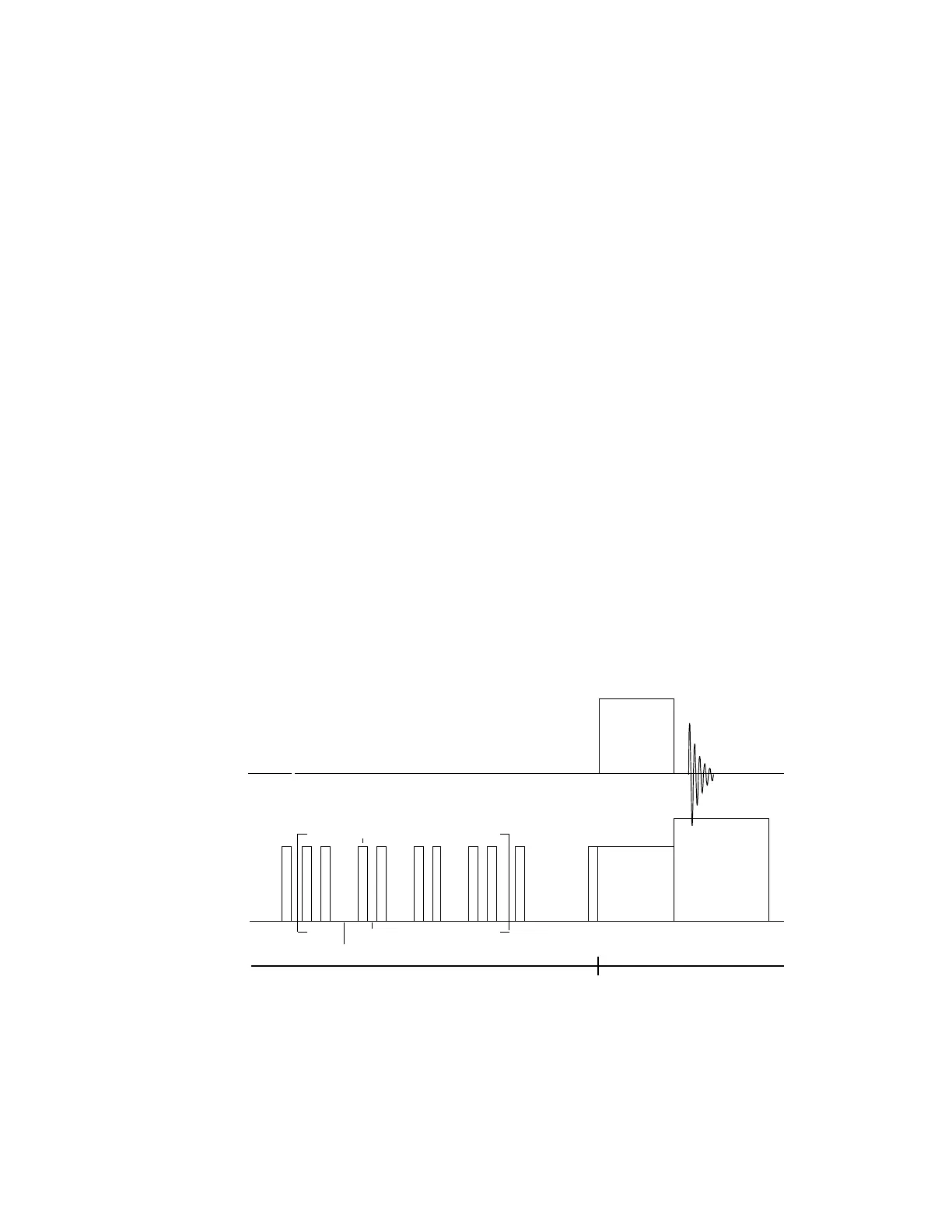
Figure 43 is a diagram of the CPCS experiment developed by Spiess and coworkers to study
component mixing on a molecular scale. This novel experiment involves a multiple-pulse
selection of
1
H magnetization based on chemical shift differences during a mixing time,
1
H
spin diffusion during a mixing time, and high-resolution
13
C CP/MAS detection.
Macro
The cpcs macro sets up parameters for the CPCS pulse sequence.
Figure 43. CPCS Pulse Sequence
cntct
cntct
(tpwrm)
(crossp)
(dipolr)
Tx
Dec
at
d1
AC
mix
pw pw pw
dtau
tau+dtau
pw
'cycles' times



 To Next Page