Chapter 6. Solid-State NMR Experiments
83
VNMR 6.1C User Guide: Solid-State NMR 01-999162-00 C0402
Measurement of
13
C T
1ρ
Measurements of the spin-lattice relaxation time in the rotating frame (T
1ρ
) are possible
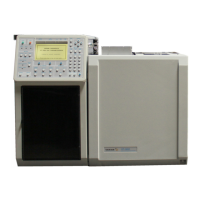
using the standard XPOLAR pulse sequence. The parameter p3 is the spinlock time after
cross-polarization. Typical values for p3 range from 50 to 5000 microseconds. Figure 32
is a diagram of the sequence.
To analyze a T
1ρ
experiment of the decay time constant, enter:
analyze('expfit','p3','t2','list').
The analyze command has four arguments. The first argument is expfit. The
analyze program provides an interface to the curve fitting program expfit, supplying
it with the input data in the form of a text file analyze.inp in the current experiment.
analyze.inp is generated by a line listing of the peaks of interest in a spectrum and by
the fp command, which measures the peak height of each peak in an array of spectra. The
second argument of analyze is the name of the arrayed parameter, which in the case of
13
C T
1
ρ experiments using the xpolar sequence is the parameter p3 (for xpolar1, use
pchro). The third argument is the type of analysis to be performed, for example use t2
for the exponentially decreasing data points of a T
1
ρ experiment. The fourth argument,
list, results in the construction of the file analyze.list, where the summary of the
data analysis and calculations are stored in the current experiment. A hard copy can be
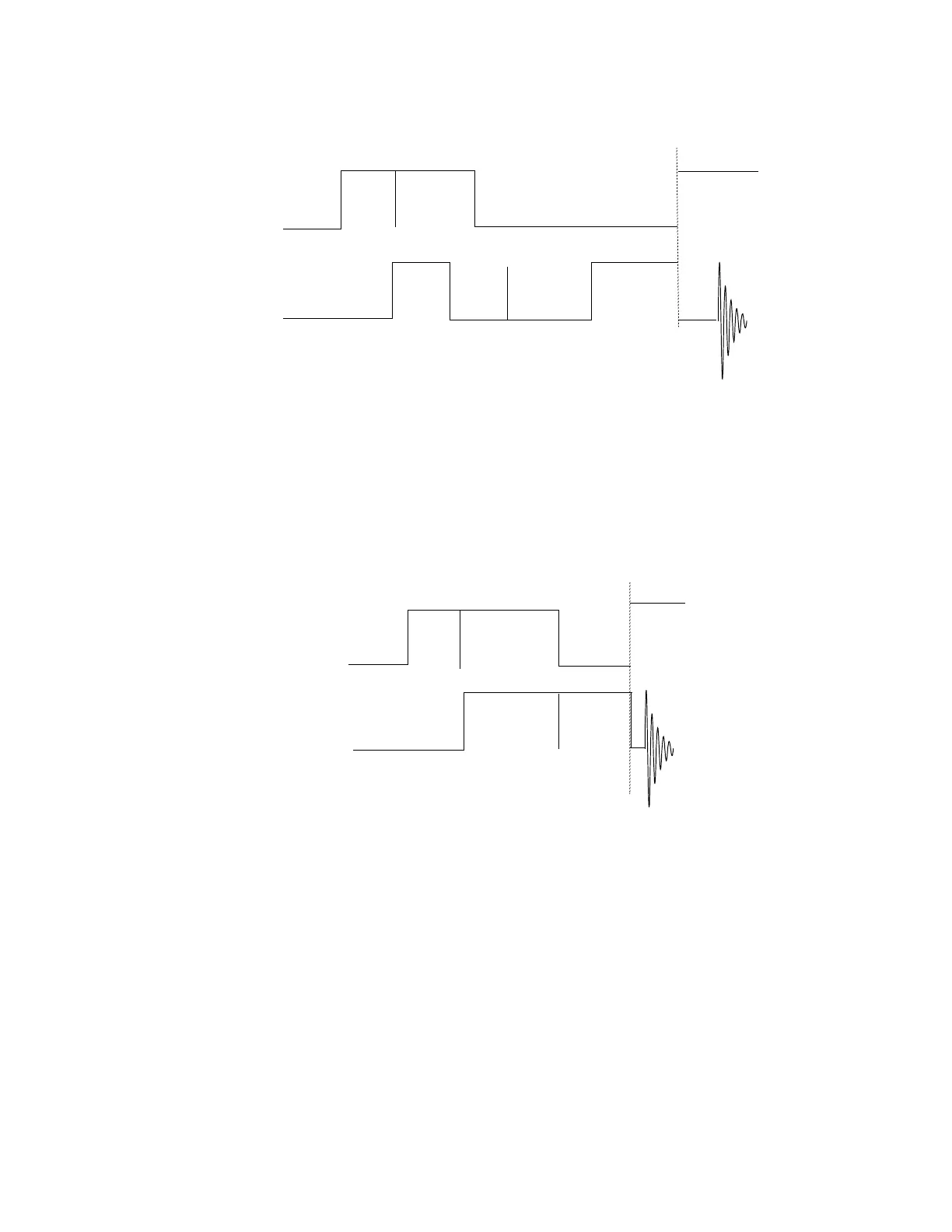
Figure 31. Protonated Carbon Suppression Sequence
13
C
1
H
level2
xpol='y' pdp='y'
d1
pw
level1
p2
d2
1/srate
2*pw
1/srate
Figure 32. Rotating-Frame Spin-Lattice Relaxation Measurements Sequence
13
C
1
H
d1
pw
level1
p2
level2
xpol='y'
p3



 To Next Page