204
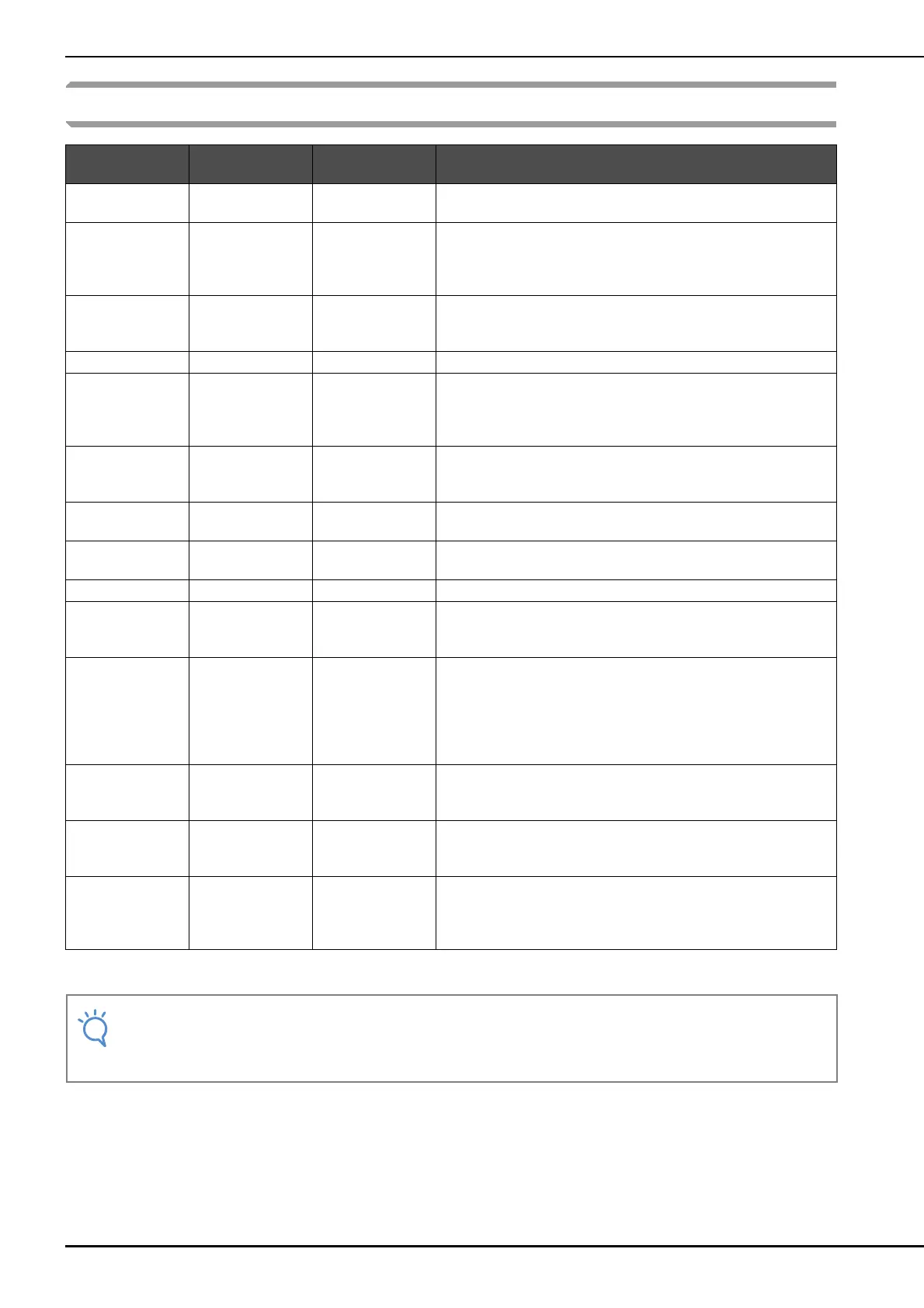
Fabric/stabilizer compatibility chart
Fabric/
Garment
No. of Backing
Pieces
No. of Topping
Pieces
Comments
Terry cloth 1 tear-away 1 water-soluble
Increase density and/or satin stitch width. Fine details and small
lettering tend to get caught in the terry loops.
Satin jacket
Heavy lining:
None
Light or no lining:
1 tear-away
None
If garment slips in frame, causing alignment problems, wrap
inner frame with masking tape or fabric bias tape. This provides
a rough surface to grip garment and also helps minimize frame
burn.
Cotton sheeting 1 tear-away None
High-density or highly detailed designs may require more
backing. If so, use two pieces of lightweight backing instead of
one piece of heavy backing.
Denim 1 tear-away None Reduce speed if needle begins to heat up and the thread breaks.
Headwear Optional Optional
Change needles more often than usual because the buckram
backing dulls needles faster. A lightweight tear-away backing
helps reduce thread breaks and regulates thread tension. Use a
topping on corduroy or foam cap fronts.
Dress shirt
(woven)
1 tear-away None
High-density or highly detailed designs may require more
backing. If so, use two pieces of lightweight backing instead of
one piece of heavy backing.
Golf shirt 1 cut-away Optional
Use topping for designs containing small lettering or a lot of
detail, and also for piqué knits.
Canton fleece 1 tear-away Optional
Use a topping if the garment has a textured surface, such as a
basketweave or pronounced twill.
Canvas 1 tear-away None Frame tightly.
Corduroy 1 tear-away 1 water-soluble
A higher stitch density or more understitches, as well as a
topping, may be necessary to prevent stitches from sinking into
the fabric.
Lingerie or silk
1 or 2 lightweight
tear-away
Optional
Reduce sewing speed. The thread tension should be low. Use
topping for designs with high detail or small lettering. For very
fine fabrics, use a thinner thread. Avoid extremely narrow satin
stitching on letters or details; instead increase satin stitch width
or use a bean stitch. Gently remove (don’t pull) backing and
topping from garment.
Sweater knit
1 cut-away or
adhesive tear-
away
1 water-soluble
Use tightly woven organza or curtain fabric in a matching color
as a backing for bulky or “holey” knits.
Sweatshirt
1 cut-away or
adhesive tear-
away
Optional
Highly detailed designs may require two layers of lightweight
cut-away stabilizer. Use a topping on extra-thick fabrics or with
fine-detail designs.
T-shirt
1 light-weight
cut-away or
adhesive tear-
away
Optional
Use a topping on designs with fine detail or small lettering.
Tensions should be light. Avoid stitch-heavy designs.
• Due to the wide variety of fabrics and stabilizers available, the above information should be used as
guideline only. If unsure of a particular fabric/stabilizer combination, please sew test a sample prior to
the finished garment.




 To Next Page