20. Disposal
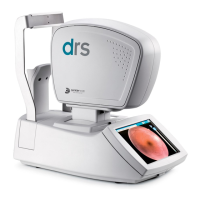
drsplus is made of different materials, such as plastics, aluminum, electronic parts. In case of
instrument disposal, please separate the various materials and follow the laws and regulations
regarding disposal or recycling for each material effective in your own country.
20.1 Separate collection for electrical and electronic equipment
The European Directive 2012/19/EU establishes separate collection for Waste of Electrical and
Electronic Equipment (WEEE). Users of Electric and Electronic Equipment (EEE) must not dispose of
WEEE as unsorted municipal waste, but collect such WEEE separately. The available return and
collection system is defined by the local public administration, or alternatively an authorized company
can recycle the WEEE. Please refer to public administration about separate collection, if this
information is not available, contact the equipment manufacturer. Users play a major role in
contributing to the reuse, recycling and recovery of WEEE. The potentially dangerous substances
contained in WEEE can pollute the environment and produce harmful effects on human health. Below
is a list of specific hazards related to some substances, which may leach in the environment and in the
water system.
Lead: damages the nervous system of humans, affects the endocrine system, the cardiovascular
system and kidneys. It accumulates and is very toxic for animals, plants and micro-organisms.
Cadmium: accumulates with a half-life of 30 years and can damage the kidneys and cause cancer.
Mercury: is easily accumulated in organisms and concentrates through the food chain. It has chronic
effects and can cause brain damage. Chromium (Hexavalent): easily absorbed into cells with toxic
effects. The results can be allergic reactions, asthma and it is considered to be genotoxic (damages
the DNA). Especially dangerous when incinerated.
Brominated Flame Retardants: widely used to reduce flammability (e.g. cables, connectors and plastic
cases)
.


 To Previous Page