CENTRALINE I/O MODULES – INSTALLATION & COMMISSIONING INSTRUCTIONS
37 EN1Z-0973GE51 R0119
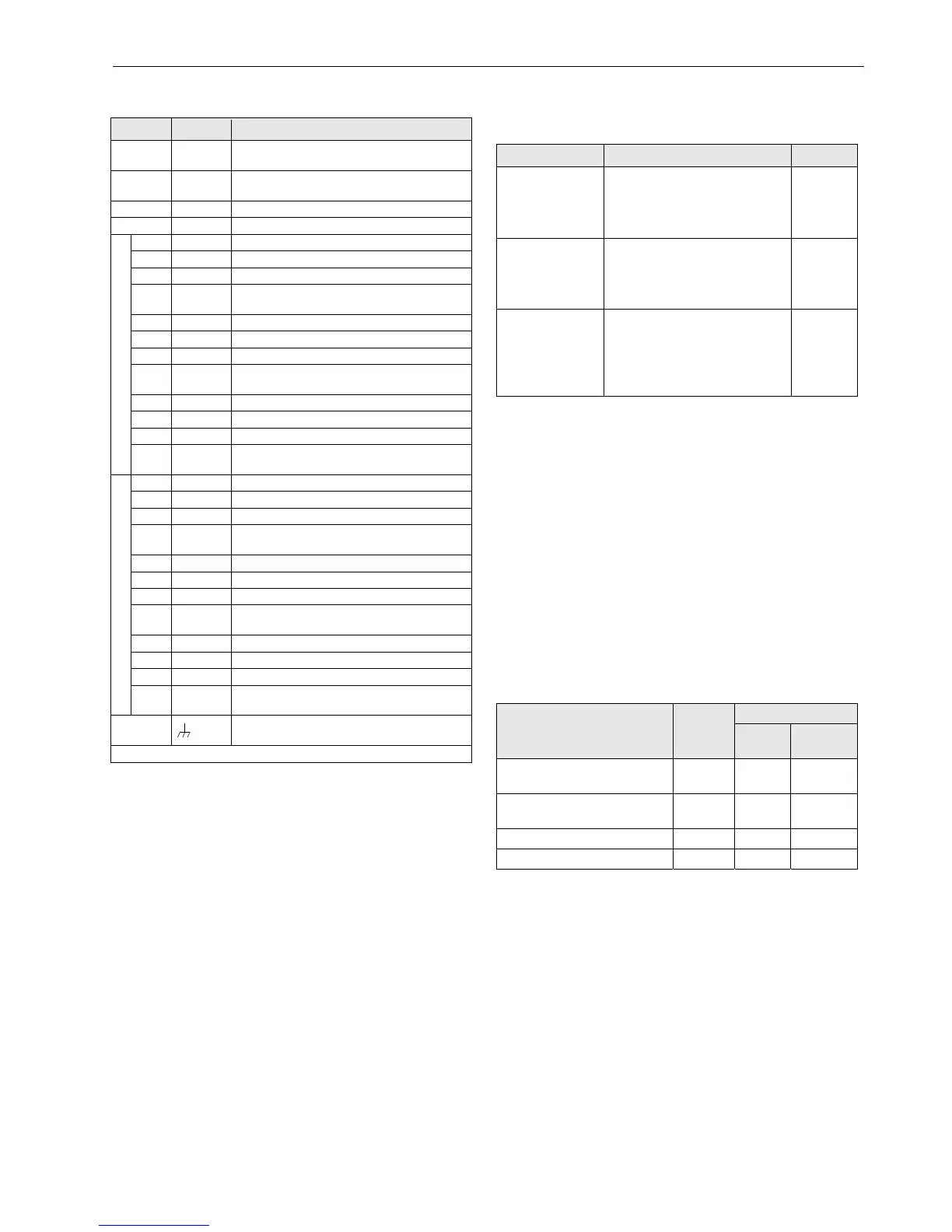
Table 40. Description of relay output module terminals
Terminal Signal Comment
71, 75
COM a
2-wire communication bus
(LON/Panel Bus)
72, 76
COM b
2-wire communication bus
(LON/Panel Bus)
73, 77
24 V~
Power supply
74, 78
24 V~0
Power supply
RELAY BLOCK 1
11
REL1 N.O.
Relay 1 N.O. contact
12
REL1 N.C.
Relay 1 N.C. contact
13
R1 COM
relay 1 common contact
14
R1 COM
For connection of relay 1 common via
cross connector*
21
REL2 N.O.
Relay 2 N.O. contact
22
REL2 N.C.
Relay 2 N.C. contact
23
R2 COM
Relay 2 common contact
24
R2 COM
For connection of relay 2 common via
cross connector*
31
REL3 N.O.
Relay 3 N.O. contact
32
REL3 N.C.
Relay 3 N.C. contact
33
R3 COM
Relay 3 common contact
34
R3 COM
For connection of relay 3 common via
cross connector*
RELAY BLOCK 2
41
REL4 N.O.
Relay 4 N.O. contact
42
REL4 N.C.
Relay 4 N.C. contact
43
R4 COM
Relay 4 common contact
44
R4 COM
For connection of relay 4 common via
cross connector*
51
REL5 N.O.
Relay 5 N.O. contact
52
REL5 N.C.
Relay 5 N.C. contact
53
R5 COM
Relay 5 common contact
54
R5 COM
For connection of relay 5 common via
cross connector*
61
REL6 N.O.
Relay 6 N.O. contact
62
REL6 N.C.
Relay 6 N.C. contact
63
R6 COM
Relay 6 common contact
64
R6 COM
For connection of relay 6 common via
cross connector*
25
Shield connection (functional earth),
internally connected to the DIN rail
* Do not connect by wire!
Permissible Loads
Table 41. Permissible loads of relay output modules
Max. load Min. load
Per relay out-
put module
(total) (fuse F3)
19…250 VAC
current at cos φ ≥ 0.6: 12 A
1…29 VDC
12 A resistive, 3 A inductive
–
Per normally
open contact
19…250 VAC
current at cos φ ≥ 0.6: 4 A
1…29 VDC
4 A resistive, 1 A inductive
50 mW
Per normally
closed contact
19…250 VAC
current at cos φ ≥ 0.95: 2 A,
current at cos φ ≥ 0.6: 1 A
1…29 VDC
4 A resistive, 1 A inductive
50 mW
NOTE: In the case of voltages above 30 VAC/DC and if
inductive components are to be connected to
relays switching more often than once every 2
minutes, these components must be prevented
from causing harmful interference to radio or
television reception (conformance with EN 55014).
NOTE: Relays must not be used for electronic ballasts,
energy-efficient lamps, or any other capacitive
devices. Such devices may display a high in-rush
current for which the relays were not designed. To
prevent damage to the relay module, use power
gates or a coupling relay.
NOTE: Max. voltage for UL 864-compliant applications is
24 V.
Status LED Behavior
Table 42. Relay output status LED behavior
Mode LED
Relay output
N.O.*
(direct)
N.C.*
(reverse)
Automatic mode, logical
state “ON”
ON ON OFF
Automatic mode, logical
state “OFF”
OFF OFF ON
Override mode (setting “0”) Flashes OFF ON
Override mode (setting “1”) Flashes ON OFF
*As configured using the engineering tool.



 To Next Page