lation and anyensuingconsequences.
Observe country-specific laws.
Makesurethat theload is securebeforeevery
journey and at regular intervals during along
journey. Adjustthe load securing as necessary.
Information on howtosecureloads correctly can
be obtained from themanufacturersofload
securing aids or tie downs forload-securing, for
example.
When securing loads, observethe following:
R
Fill spaces between theload and thecargo
compartmentwalls or wheel wells. Forthis
purpose, use rigid load securing aids, suchas
wedges, wooden fixingsorpadding.
R
Attach secured and stabilized loads in all
directions.
Use thecargo tie-down points or tie-down
eyes and theloading rails in thecargo com‐
partmentoronthe load surface.
Only use tie downs, suchaslashing rods, lock
rods or lashing nets and lashing straps, which
has been tested in accordance withcurrent
standards (e.g. DINEN). Alwaysuse thecargo
tie-down points closesttothe load; pad sharp
edges.
Loads, and heavy loads in particular,should
preferably be secured using thetie-down
eyes.
%
Youcan obtain tie downs tested in accord‐
ance withcurrent standards (e.g. DINEN)
from anyspecialistcompanyorfromaquali‐
fied specialistworkshop.
Notesonthe partition
Without apartition,vehicles that areapprovedas
commercial vehicles (N1,N2) do notfulfill ISO
27956, which describes theequipment forprop‐
erly securing aloadindelivery vehicles. If the
vehicle is used to transport goods, retrofitting the
partition is strongly recommended,asproperly
securing theload in vehicles without apartition
will alwaysbeacomplexoperation.
%
Youmustnot storeanything in thearea
between thebackofthe seats and theparti‐
tion.
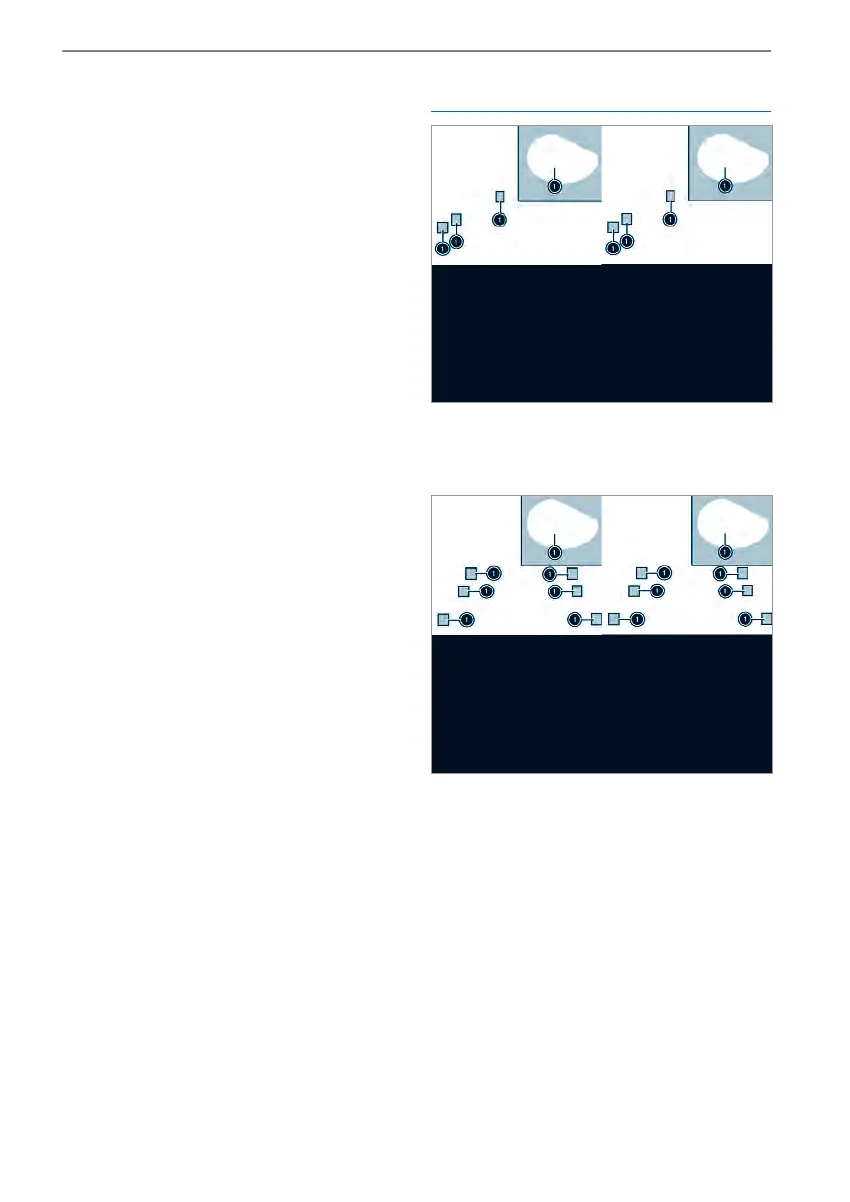
Overviewofcargo tie-down points
Cargo tie-down points (example: Passenger
Van)
1
Tie-down eyes
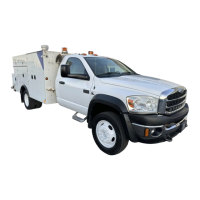
Cargo tie-down points (example: Cargo Van
without loadingrails)
1
Tie-down eyes
Secureloose loads withanapprovedlashing net
or atarps.
Alwaysfastenthe lashing netortarptoall availa‐
ble cargo tie-down points.Makesurethat thefas‐
tening hooks aresecured againstaccidental
opening.
If your vehicle is equipped withloading rails in
thecargo compartmentfloor,you can place lash‐
ing rods directly in front of and behind theload.
The lashing rods directly absorb thepotential
shifting forces.
Securing loads on thecargo compartmentfloor
by lashing them down is onlyrecommended for
Transporting
177



 To Next Page