Configuring Virtual LANs (VLANs)
7 - 3
Since each port-based VLAN is a separate Layer 2 broadcast domain, by default each VLAN runs a separate
instance of the Spanning Tree Protocol (STP).
Layer 2 traffic is bridged within a port-based VLAN and Layer 2 broadcasts are sent to all the ports within the
VLAN.
Layer 3 Protocol-Based VLANs
If you want some or all of the ports within a port-based VLAN to be organized according to Layer 3 protocol, you
must configure a Layer 3 protocol-based VLAN within the port-based VLAN.
You can configure each of the following types of protocol-based VLAN within a port-based VLAN. All the ports in
the Layer 3 VLAN must be in the same Layer 2 VLAN.
• AppleTalk – The device sends AppleTalk broadcasts to all ports within the AppleTalk protocol VLAN.
• IP – The device sends IP broadcasts to all ports within the IP protocol VLAN.
• IPv6 – The device sends IPv6 broadcasts to all ports within the IPv6 protocol VLAN.
• IPX – The device sends IPX broadcasts to all ports within the IPX protocol VLAN.
• DECnet – The device sends DECnet broadcasts to all ports within the DECnet protocol VLAN.
• NetBIOS – The device sends NetBIOS broadcasts to all ports within the NetBIOS protocol VLAN.
• Other – The device sends broadcasts for all protocol types other than those listed above to all ports within the
VLAN.
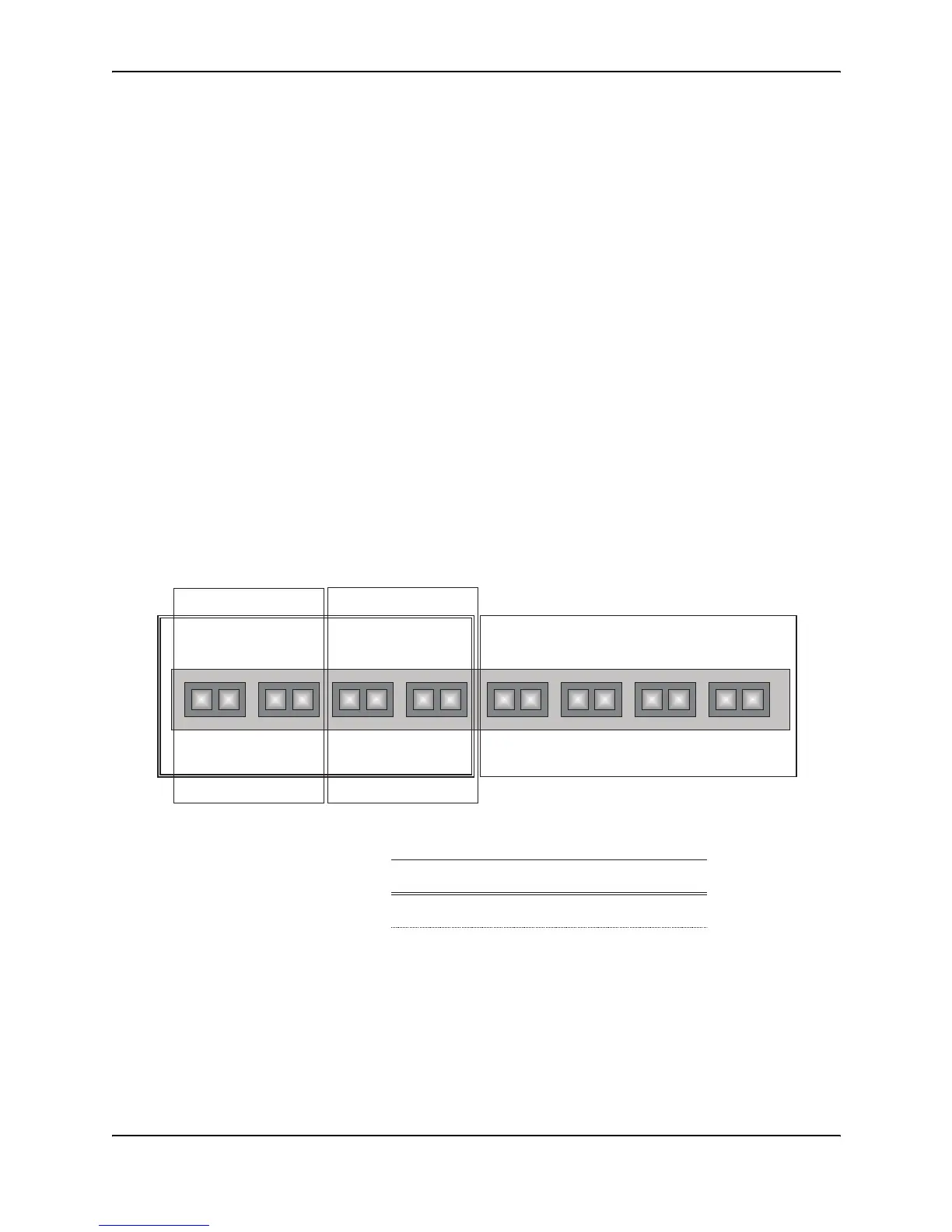
Figure 7.2 shows an example of Layer 3 protocol VLANs configured within a Layer 2 port-based VLAN.
Figure 7.2 Layer 3 protocol VLANs within a Layer 2 port-based VLAN
Integrated Switch Routing (ISR)
Hewlett-Packard’
Integrated Switch Routing (ISR)
feature enables VLANs configured on Routing Switches to
route Layer 3 traffic from one protocol VLAN or IP sub-net, IPX network, or AppleTalk cable VLAN to another.
Normally, to route traffic from one IP sub-net, IPX network, or AppleTalk cable VLAN to another, you would need to
forward the traffic to an external router. The VLANs provide Layer 3 broadcast domains for these protocols but do
not in themselves provide routing services for these protocols. This is true even if the source and destination IP
sub-nets, IPX networks, or AppleTalk cable ranges are on the same device.
Default VLAN
User-configured port-based VLAN
Protocol VLAN, IP sub-net VLAN,
IPX network VLANor AppleTalk VLAN


 To Next Page