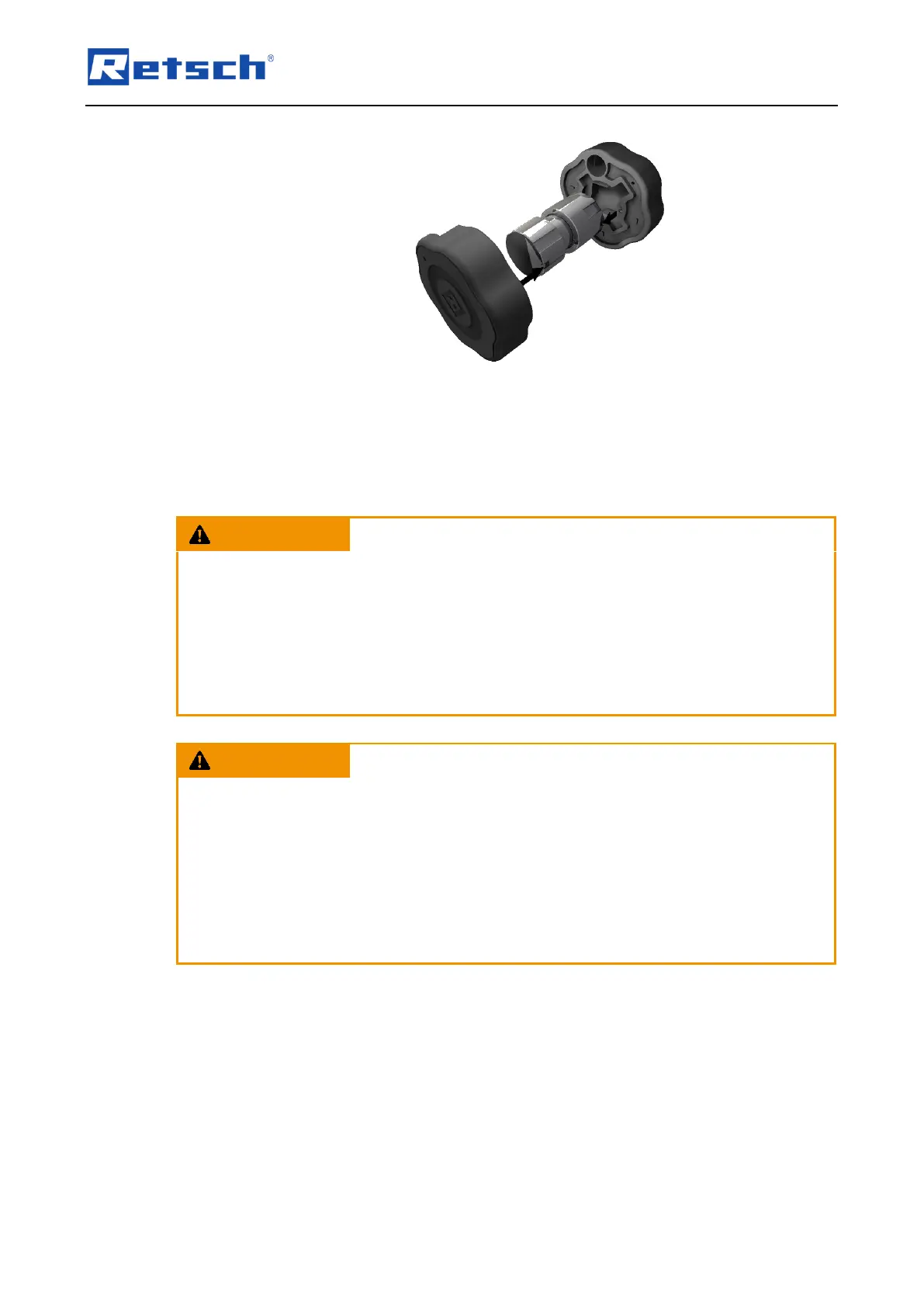
Fig. 19:Opening aid for opening the grinding jar
6.10 Special grinding methods
6.10.1 Cryogenic grinding
Risk of injury caused by liquid nitrogen
Use of liquid nitrogen during cryogenic grinding
− Liquid nitrogen has a boiling point of – 196 °C and causes burn-like
injuries and frostbite if there is skin and eye contact.
• Take note of the liquid nitrogen safety data sheets.
• Always wear goggles and protective gloves when using liquid
nitrogen.
Risk of injury caused by liquid nitrogen and dry ice
Use of liquid nitrogen and dry ice in closed grinding jars
- Liquid nitrogen and dry ice expand and generate high pressure in closed
receptacles. This high pressure bursts grinding jars and leads to serious
injuries.
• Under no circumstances should you put liquid nitrogen or dry ice
into the grinding jar and then close the jar.
• Only undertake indirect embrittlement for cryogenic grinding.
Materials that are difficult or impossible to grind at normal temperatures must be ground cold.
Indirect pre-brittleness with liquid nitrogen (- 196 °C) improves the fracture behavior of, for
instance, thermoplastics, rubber products, fatty foods, pharmaceuticals, etc.
For cold grinding, the MM 500 control offers a cryokit for cooling the grinding jars with
liquid nitrogen.


 To Next Page