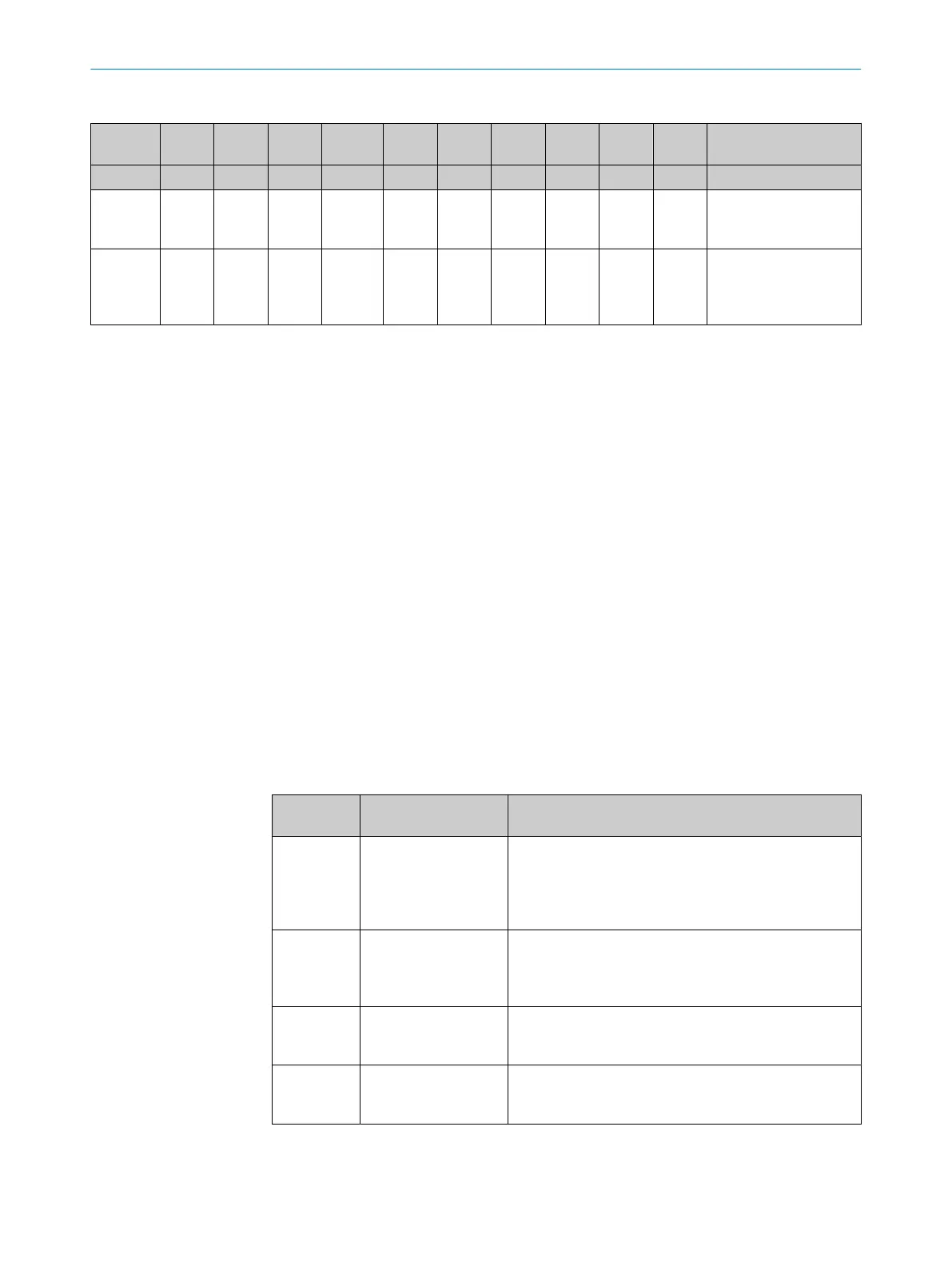
Table 38: Example of SDO access: Request of position, object 6004h
Dir COB-ID DLC Com‐
mand
L-byte
index
H-byte
index
Subin‐
dex
L-byte
byte 0
Byte 1 Byte 2 H-byte
byte 3
Description
D0 D1 D2 D3 D4 D5 D6 D7
CANopen
Controller
0606h 8h 40h 04h 60h 00h 00h 00h 00h 00h Request index 6004h,
subindex 00h (position
value) of node ID 6
CANopen
Device
0586h 8h 43h 04h 60h 00h DCh 05h 00h 00h Response from node
ID 6: 000005DCh
(1500mm at resolution
1mm)
10.3.13 Synchronous and asynchronous PDOs
Since DL100 Pro only supports TPDOs (Transmit PDOs) but not RPDOs (Receive PDOs),
only information about TPDOs is listed below. The transmission of TPDOs can be syn‐
chronous or asynchronous.
With a synchronous TPDO, the CANopen device responds to the cyclic CANopen control‐
ler request (SYNC object). The CANopen controller request triggers the synchronous
PDOs of all devices present in the CANopen network.
With an asynchronous TPDO, the CANopen device responds driven by the event and
independent of a CANopen controller request. Triggering depends on events internal to
the device. This can be, for example, the change of process data or the expiration of an
event timer in the PDO to be transmitted.
Within the synchronous and asynchronous transmission types, an additional distinction
is made between cyclic and acyclic. The transmission type can be defined via the
Transmission Type of the respective TPDO.
10.3.13.1 Transmission type
The “Transmission Type” defines how the sending of the TPDO is triggered.
According to the CiA 301 specification, version 4.2, the Transmission Types of the
TPDOs are defined as follows:
Table 39: Overview of TPDO Transmission Types
Transmis‐
sion type
Description Explanation
00h Synchronous (Acyclic) An internal event is specified (e.g. change of input
data temperature). Upon receipt of the SYNC request,
the data determination (temperature) in the device is
started. The TPDO is then transmitted if the temperature
has changed since the last SYNC request.
01h Synchronous (cyclic
every SYNC request)
Depending on the setting, data determination is started
with receipt of every SYNC request, every second SYNC
request, or every third SYNC request, etc. The TPDO is
then transmitted.
02h Synchronous (cyclic
every 2nd SYNC
request)
–
03h Synchronous (cyclic
every 3rd SYNC
request)
–
CANOPEN INTERFACE 10
8015418/19HA/2022-12-15 | SICK O P E R A T I N G I N S T R U C T I O N S | DL100 Pro CANopen
61
Subject to change without notice







 To Next Page