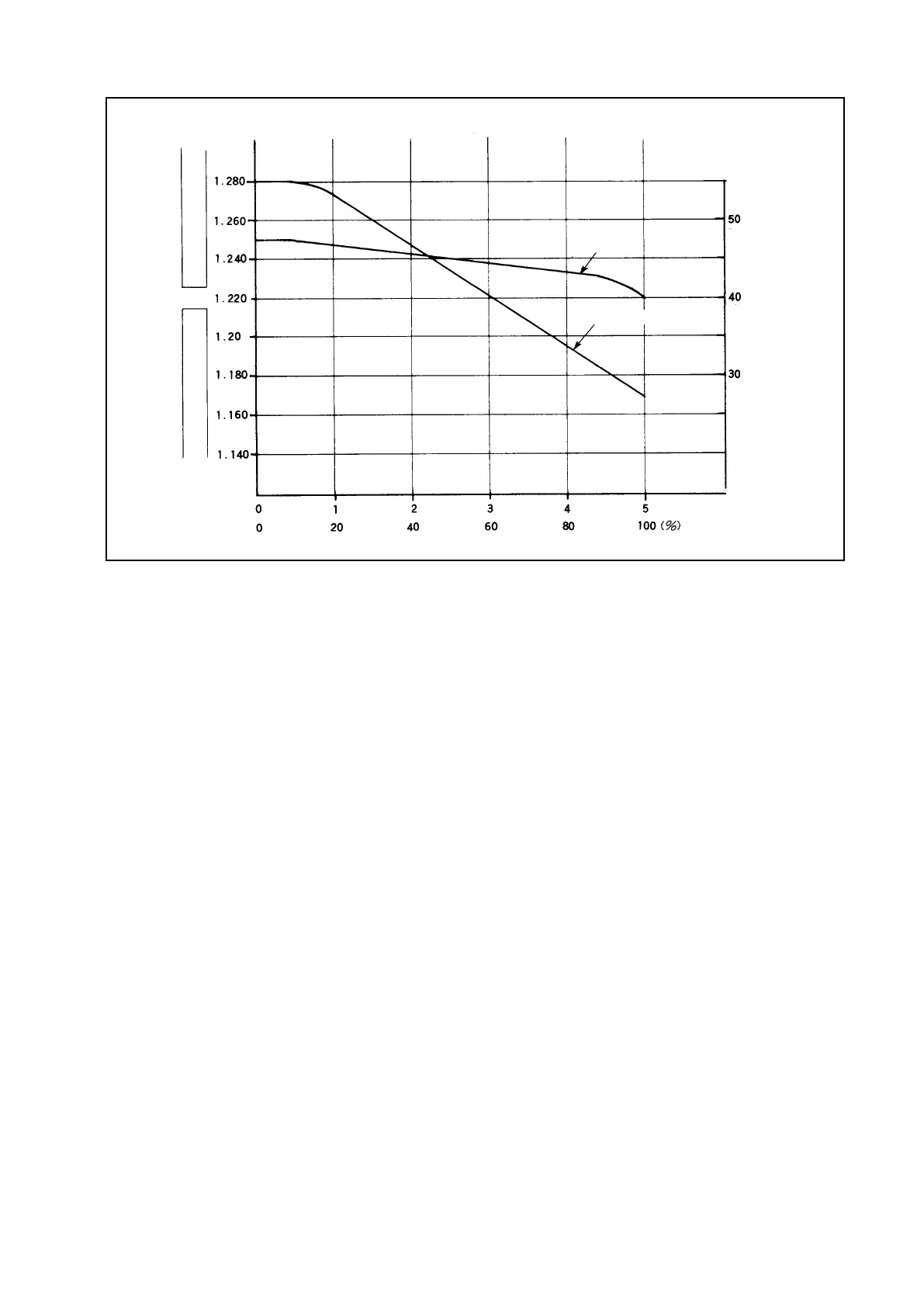
Fig. 1.3 An Example of Specic Gravity Drop
(Discharge rate)
Specic gravity
(at 20°C)
Usable
Alert !
Overdischarge
Voltage (V)
Voltage
(Discharge duration)
Specic gravity
(2) Charging the battery
When discharged, the battery should be recharged as soon as possible. Leaving the battery discharged for
a long time may cause sulfation, which will result in a drop of the battery performance.
If the battery is kept out of service for a long time, it should be thoroughly charged before put in storage.
An additional charge is also required once a month.
Do not leave a fully discharged battery longer than a day as it is. Be sure to recharge it as soon as
possible.
If the amount of discharge is considered to be small, measure the specic gravity of the electrolyte. If
lower than 1.260, recharge the battery.
Equalizing charge is required if the specic gravity varies among the cells by the amount of 0.020 or
larger. Equalizing charge is normally needed between one to four times a month.
If the specic gravity variation is not made smaller by equalizing charge, specic gravity adjustment will
be required.
Giving an equalizing charge more times than necessary will overcharge the battery, and its service life
will be shortened.
For a truck-mounted type charger, a microcomputer determines when an equalizing charge is required
and carries out equalizing charge automatically.
[Cautions on Charging the Battery]
① Do not start charging the battery if the electrolyte temperature is higher than 50°C. Leave the battery
for a while until the temperature goes low. Then charge it.
② Overdischarge or overcharge raises the electrolyte temperature. While charging the battery, be sure to
keep the battery cover fully open in order to let the generated gas and heat get out.
[Specic Gravity Correction According to Temperature]
The specic gravity of the electrolyte varies as the electrolyte temperature changes. The specic gravity
is generally based on the electrolyte temperature of 20°C. Therefore, if the specic gravity is measured at
the electrolyte temperature if other than 20°C, correct it using the following formula:
S20 = St + 0.0007 (t – 20)
where S20 ..........specic gravity for 20°C
St .............specic gravity measured at t
t ...............electrolyte temperature measured.
1. BATTERY AND CHARGER (OPTION)



 To Next Page