83-517-000 Rev. A
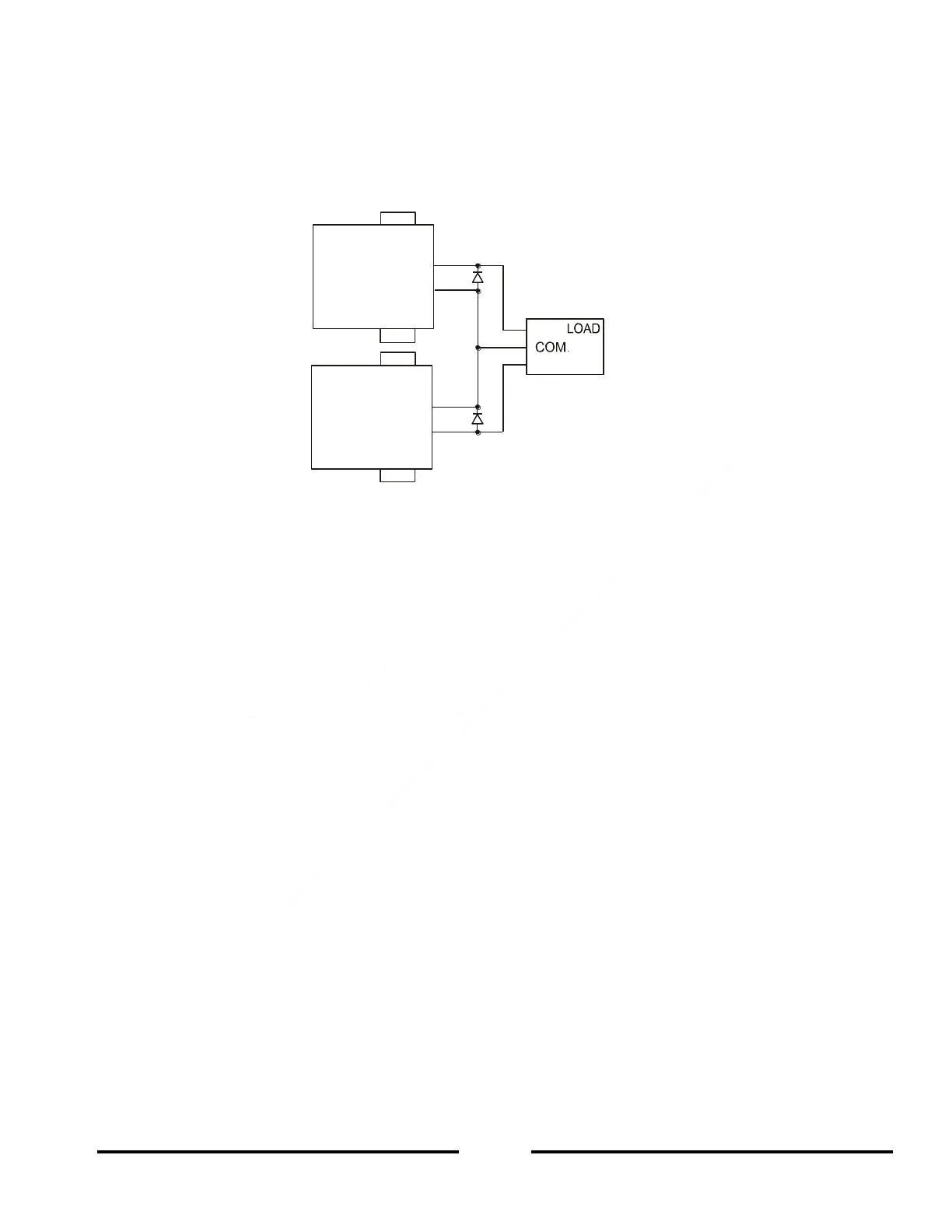
Fig.5-3: Series connection for positive/negative output voltages
+S
+
-
-S-LS
+LS
POWER
SUPPLY
+S
+
+
-
-
-S
-LS
+LS
POWER
SUPPLY
(*)
(*)
(*) Diodes are user supplied.
Series Connection for Positive and Negative Output Voltage 5.14.2
In this mode, two units are configured as a positive and negative output. Set the Output current limit of each
power supply to the maximum that the load can handle without damage. It is recommended that diodes be
connected in parallel with each unit output to prevent reverse voltage during start-up or in case one of the units
shuts down. Each diode should be rated to at least the power supply rated Output voltage and Output current.
Refer to Figure5-3 for this operating mode.
Figure 5-3: Series Connection for Positive/Negative Output Voltages
Remote Programming in Series Operation for Positive and Negative Output Voltage
1. Programming by External Voltage:
The analog programming circuits of this power supply are
referenced to the negative output (-V) potential.
Therefore, the circuits used to control each series
connected unit must be separated and floated from each
other.
2. Using the SO Function and PS_OK Signal:
The Shut-Off (SO) and PS_OK circuits are referenced to
the isolated interface common, IF_COM (J1-2, -3). The
IF_COM terminals of different units can be connected to
obtain a single control circuit for the power supplies
connected in series.
3. Programming by External Resistor:
Programming by external resistor is possible. Refer to
section 6.5 for details.
4. Programming via the Serial
Communication Port (RS-232/RS-485):
The communication port is referenced to the isolated
interface common (IF_COM) which is isolated from the
power supply output potential (+V or –V). Therefore,
power supplies connected in series can be daisy-chained
using the J3 Remote-In and Remote-Out connectors.
Refer to chapter 7 for details.



 To Next Page